
Picture this: your product is amazing, but it arrives at your customer’s door in a crushed, boring box. Ouch. The truth is, packaging types can make or break a sale before anyone even touches your product.
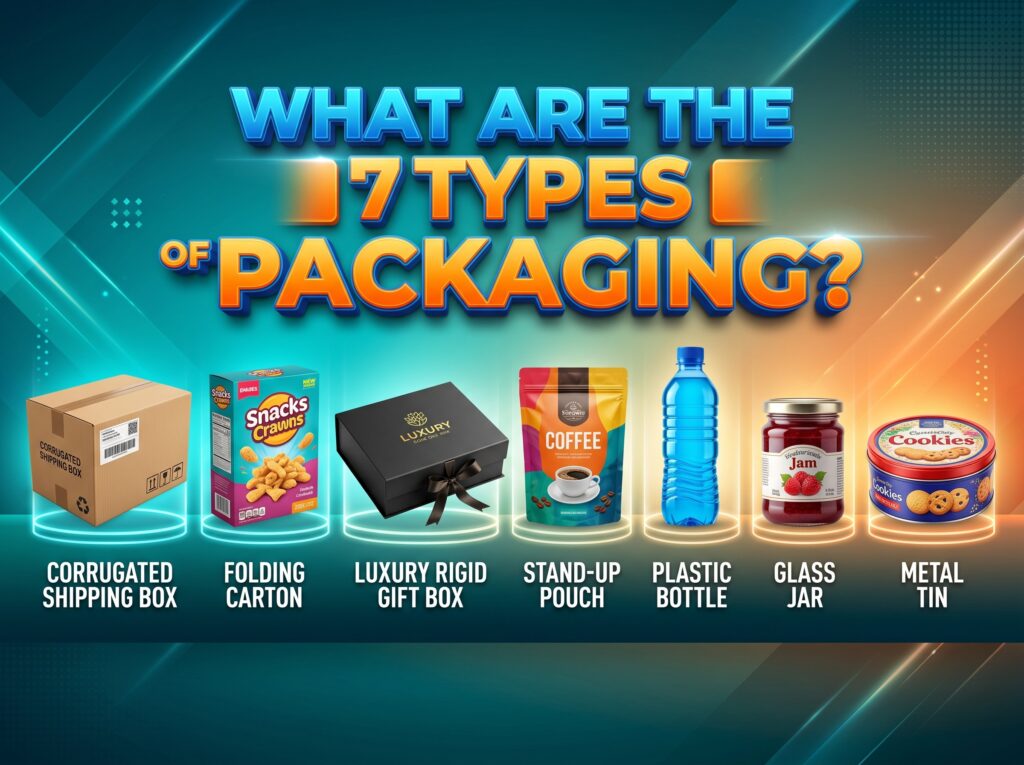
So, what are the 7 types of packaging? Here’s the quick answer:
- Corrugated boxes
- Paperboard (cardboard) boxes
- Rigid boxes
- Flexible packaging
- Plastic packaging
- Glass packaging
- Metal packaging
Stick around, because choosing the wrong one wastes money. Choosing the right one boosts your shelf appeal, protects your product, and creates an unboxing experience customers love. Let’s break down each type with real examples, costs, and smart tips based on what actually works for thousands of product brands today.
Why Packaging Types Matter More Than Ever
Before we dive in, here’s a fact worth knowing: over 70% of shoppers say packaging design influences their buying decision. Your box isn’t just protection it’s your silent salesperson.
Whether you run a small candle shop or ship thousands of orders monthly, understanding packaging classification helps you save money, cut waste, and build a brand people remember.
1. Corrugated Boxes The Shipping Champion
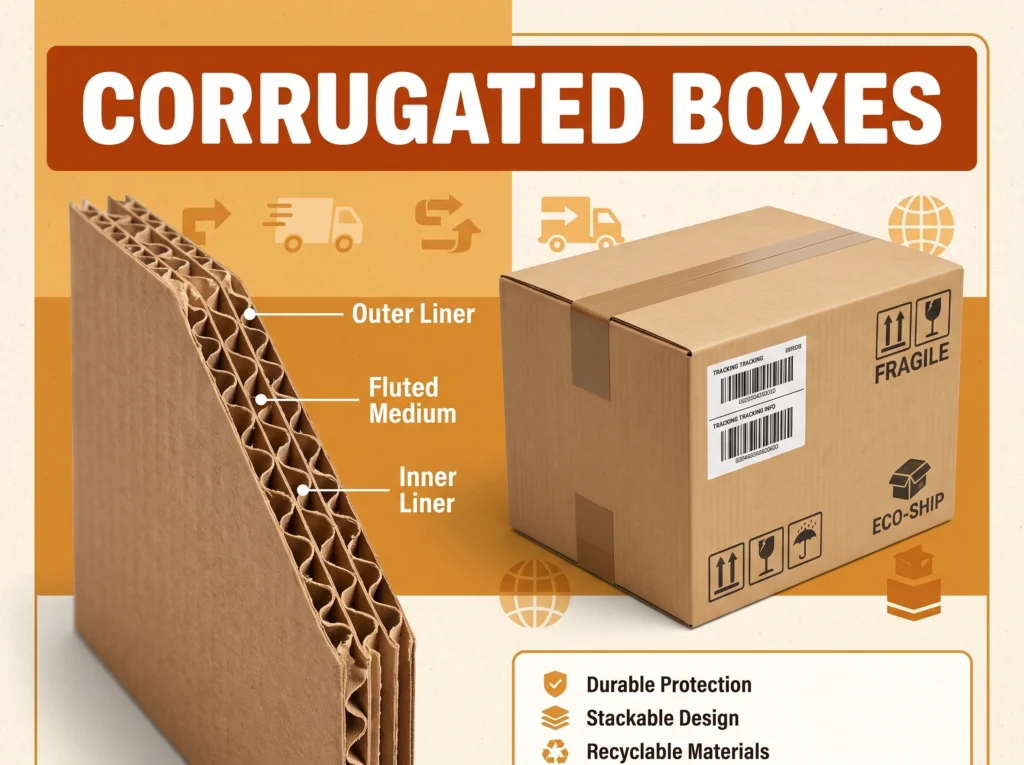
Corrugated boxes are the strong, wavy-layered boxes you see in every e-commerce packaging operation. That wavy middle layer is called a flute, and it works like a shock absorber for your products.
Best for: Shipping boxes, mailer boxes, subscription boxes, heavy items
Why brands love them:
- Super strong yet lightweight packaging
- Cost-effective packaging for shipping
- Easy to recycle (curbside recyclable in most areas)
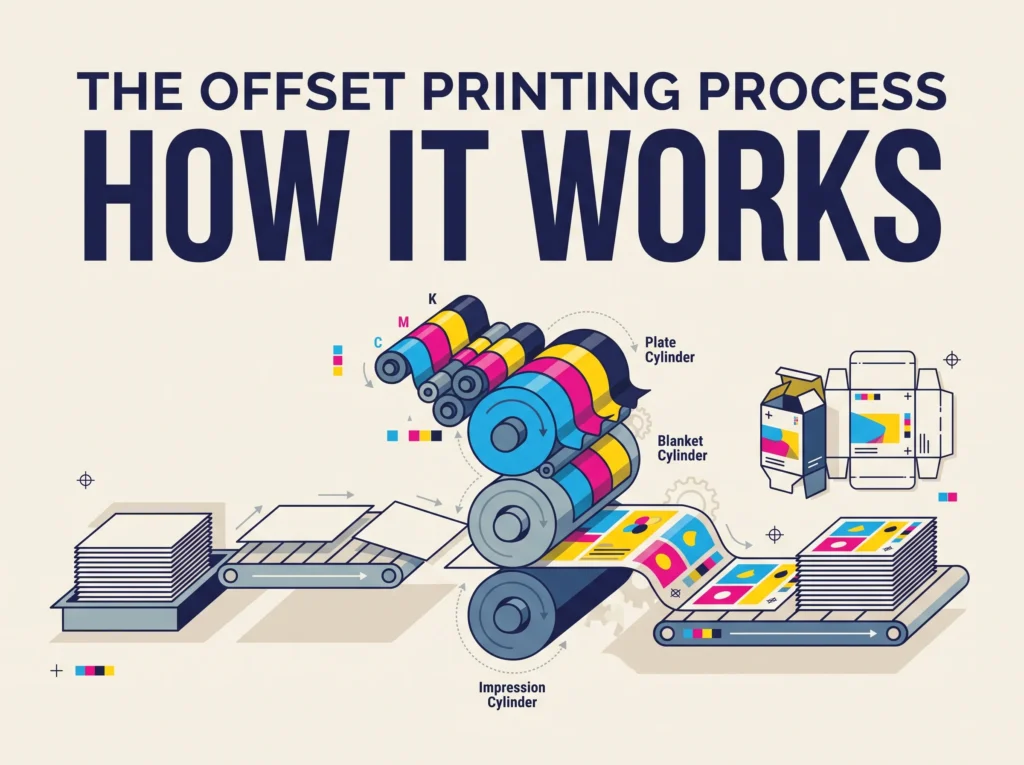
- Great for custom printing with flexography or digital printing
Pro tip: Flute grades (A, B, C, E, F) change the strength and print quality. E-flute gives the smoothest surface for sharp branding.
2. Paperboard Boxes The Retail Favorite
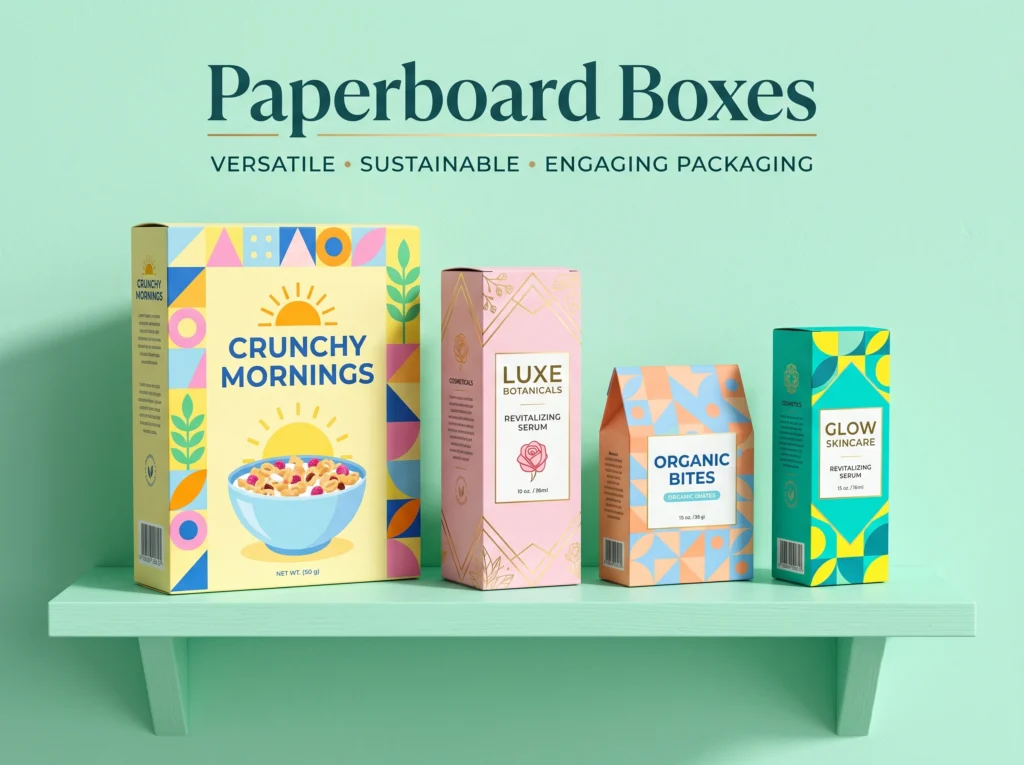
Paperboard packaging (also called folding cartons) is the thinner, smooth material used for cereal boxes, cosmetic boxes, and retail-ready packaging. Materials like SBS board and kraft paper are the stars here.
Best for: Cosmetics, food boxes, soap boxes, tuck-end boxes, pharmacy items
Why brands love them:
- Smooth surface perfect for litho printing
- Affordable at high volumes
- Folds flat to save storage space
- Works beautifully as fiber-based packaging for eco-minded brands
3. Rigid Boxes The Luxury Statement
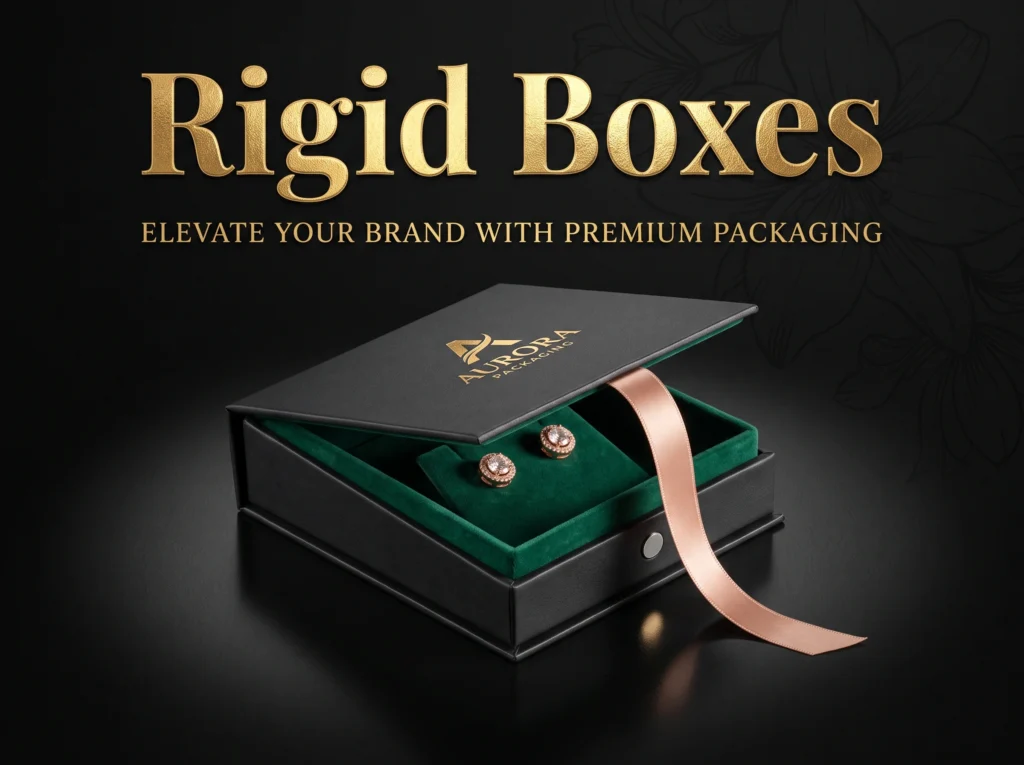
Ever opened a phone box or a fancy gift box that felt expensive? That’s a rigid box (also called a set-up box). These thick, sturdy boxes don’t fold flat and that’s the point. They scream premium.
Best for: Luxury candles, jewelry, electronics, drawer boxes, high-end gifts
Why brands love them:
- Creates a memorable unboxing experience
- Strong product protection without extra fillers
- Supports magnetic closures, ribbons, and foil stamping
- Boosts perceived value instantly
Trade-off: Higher cost per unit, so best for premium products.
4. Flexible Packaging The Rising Star
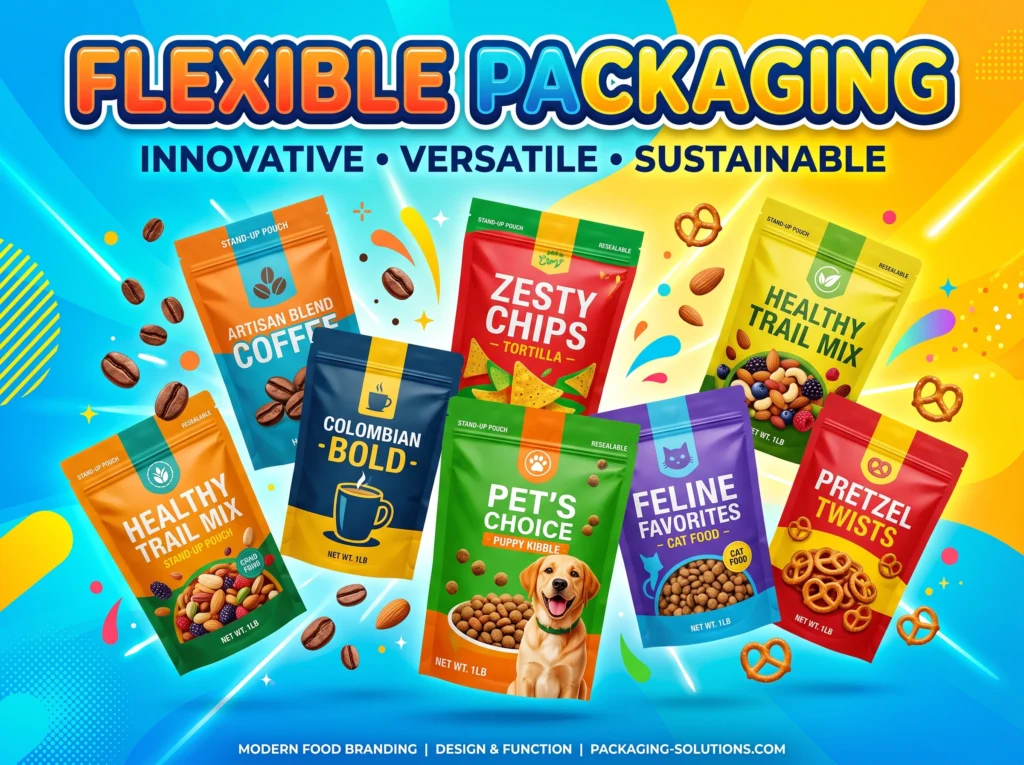
Flexible packaging includes pouches, mylar bags, wraps, and sachets. It’s one of the fastest-growing packaging categories because it’s light, cheap to ship, and keeps food fresh longer thanks to strong barrier properties.
Best for: Snacks, coffee, pet food, powders, supplements
Why brands love them:
- Extends shelf life with airtight seals
- Low shipping weight = lower costs
- Mono-material packaging options are now easier to recycle
- Stand-up pouches grab attention on shelves
5. Plastic Packaging The Versatile Workhorse
Plastic packaging covers bottles, clamshells, blister packs, and jars made from materials like PET and HDPE. It’s durable, clear, and tamper-proof but brands today balance it with sustainability goals.
Best for: Beverages, electronics accessories, pharmacy products
Why brands love them:
- Shatterproof and moisture-resistant
- Clear windows show off products
- Molds into almost any shape
Smart move: Many brands now switch to recyclable materials or plastic-free packaging alternatives where possible to meet EPR compliance rules.
6. Glass Packaging The Premium Preserver
Glass packaging jars, bottles, and vials feels premium and keeps flavors pure. Nothing beats glass for candles, sauces, perfumes, and skincare.
Best for: Candles, food jars, beverages, beauty serums
Why brands love them:
- 100% recyclable, endlessly
- Doesn’t react with food or scents
- High-end look and feel
Trade-off: Heavy and breakable, so it needs strong secondary packaging like corrugated inserts for shipping.
7. Metal Packaging The Long-Life Protector
Metal packaging includes aluminum cans, tins, and containers. It’s the champion of long shelf life and full product protection from light, air, and moisture.
Best for: Canned food, candles, teas, cosmetics balms
Why brands love them:
- Nearly unlimited recyclability
- Vintage, giftable look (hello, candle tins!)
- Stackable and durable
Also Read: What Are the 7 Functions of Packaging? (With Real Examples)
All 7 Packaging Types Side by Side
| Packaging Type | Cost | Durability | Eco-Friendly? | Best Use Case |
|---|---|---|---|---|
| Corrugated | $ | ★★★★★ | High | Shipping & mailers |
| Paperboard | $ | ★★★ | High | Retail & cosmetics |
| Rigid | $$$ | ★★★★★ | Medium | Luxury & gifts |
| Flexible | $ | ★★★ | Medium | Food & snacks |
| Plastic | $$ | ★★★★ | Low–Medium | Beverages & displays |
| Glass | $$$ | ★★ (breakable) | High | Candles & sauces |
| Metal | $$$ | ★★★★★ | High | Food & tins |
The 3 Levels of Packaging (Bonus Knowledge)
People often mix up packaging types with packaging levels. Here’s the simple difference:
- Primary packaging touches the product directly (a lip balm tube)
- Secondary packaging holds the primary pack (the printed box around it)
- Tertiary packaging groups everything for shipping (the big corrugated carton)
Knowing both systems helps you plan your full supply chain like a pro.
How to Choose the Right Packaging Type (5 Simple Steps)
- Know your product’s needs fragile, food-safe, or moisture-sensitive?
- Set your budget corrugated and paperboard win for cost-effective packaging
- Think about your customer luxury buyers expect rigid; eco-shoppers want compostable mailers or biodegradable packaging
- Plan your branding check which printing method (flexography, litho printing, or digital printing) fits your design and dieline
- Start small look for low-MOQ custom packaging suppliers so you can test before scaling
Brands like ONO Custom Boxes help small businesses test custom designs across corrugated, rigid, and paperboard styles without huge minimum orders a smart way to find your perfect match.
Trending Packaging Ideas to Watch in 2026
Want to stay ahead? These trends are reshaping the industry:
- Smart packaging with QR codes for connected packaging experiences
- Refillable packaging systems for beauty and home brands
- Minimalist packaging design with earthy kraft tones
- AI-designed packaging that speeds up prototyping
- FSC certification and sustainable packaging materials as trust signals
FAQs
What are the 7 types of packaging?
The seven main types are corrugated boxes, paperboard boxes, rigid boxes, flexible packaging, plastic, glass, and metal packaging. Each serves different products, budgets, and branding goals.
Which type of packaging is cheapest?
Paperboard and corrugated are usually the most affordable, especially at higher volumes. Flexible pouches are also budget-friendly for food products.
What is the most eco-friendly packaging type?
Corrugated, paperboard, glass, and metal are highly recyclable. Kraft-based fiber-based packaging and compostable mailers are top choices for green brands.
What’s the difference between corrugated and cardboard?
Corrugated has a wavy fluted layer between liners, making it stronger for shipping. Cardboard (paperboard) is a single smooth layer, better for retail boxes.
Which packaging is best for fragile items?
Rigid boxes with inserts or corrugated boxes with protective padding offer the best product protection for fragile goods.
Can flexible packaging be recycled?
Traditional multi-layer pouches are hard to recycle, but new mono-material packaging pouches are changing that fast.
What are the 3 levels of packaging?
Primary (touches the product), secondary (retail box), and tertiary (shipping carton). Most brands use all three together.
Final Thoughts: Pick Smart, Package Smarter
Now you know the 7 types of packaging from budget-friendly corrugated to luxury rigid boxes. The winning move? Match your packaging to your product, your customer, and your values.
Start with one type, test it, gather feedback, and improve. Great packaging isn’t an expense it’s an investment that pays you back with every “wow” at the doorstep.