
Ever wondered why some products arrive in perfect shape while others show up crushed or leaking? The answer lies in the 7 functions of packaging. Whether you run a small brand or study supply chain management, knowing these functions helps you pick smarter, safer, and more attractive product packaging.
Here’s the quick answer, then we’ll break down each function with real examples you can use today.
The 7 Functions of Packaging (Quick Answer)
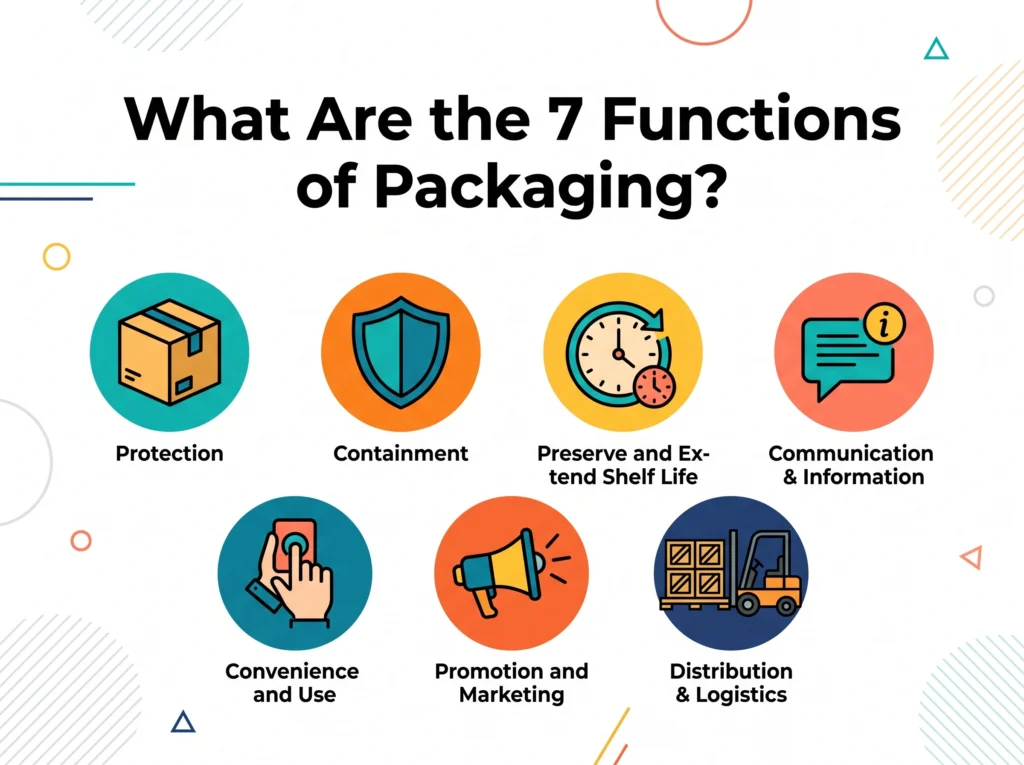
The seven functions of packaging are:
- Containment holds the product securely
- Protection guards against damage and tampering
- Preservation extends shelf life
- Communication shares product details and labeling info
- Convenience makes handling and use easier
- Promotion boosts shelf appeal and brand identity
- Unitization groups products for easy transportation
Now let’s explore why each one matters and how top brands put them to work.
1. Containment: The Basic Job of Every Package
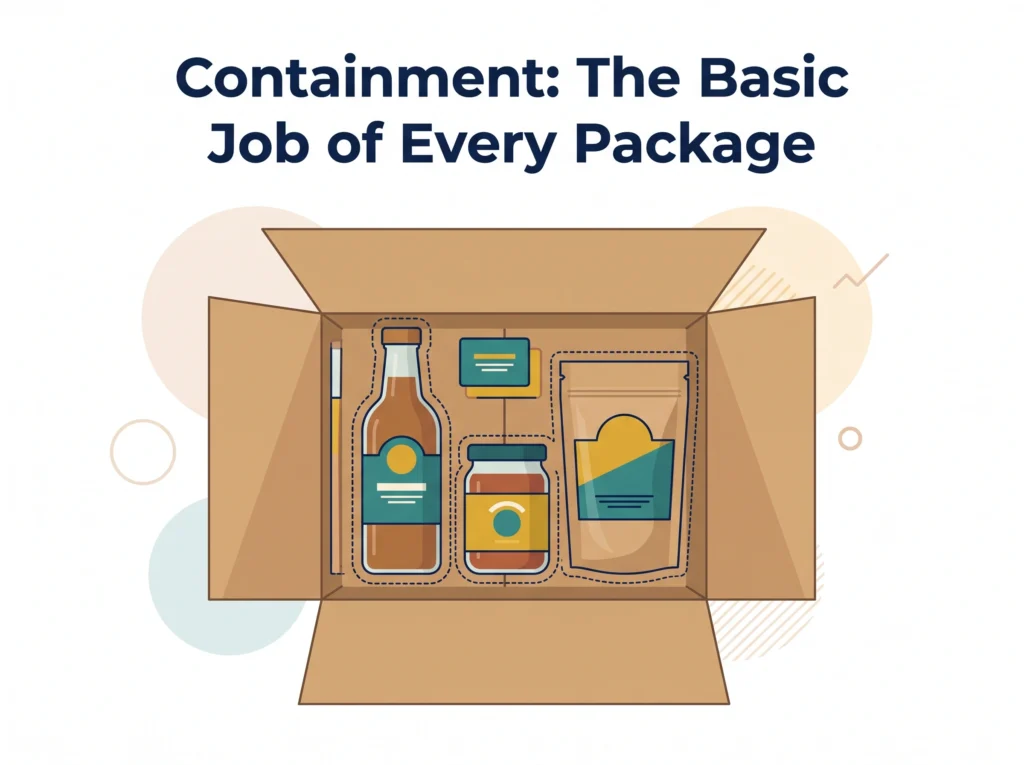
Before anything else, packaging must hold the product. Liquids, powders, and small items would be impossible to sell without containment. Think of shampoo bottles, cereal bags, or kraft paper pouches for coffee beans.
Without proper containment, a product cannot move from the factory to the store. That’s why experts call it the foundation of all packaging functions.
Real example: A candle brand uses sturdy rigid boxes so glass jars stay in place during shipping. No rattling, no cracks.
2. Protection: Keeping Products Safe from Harm
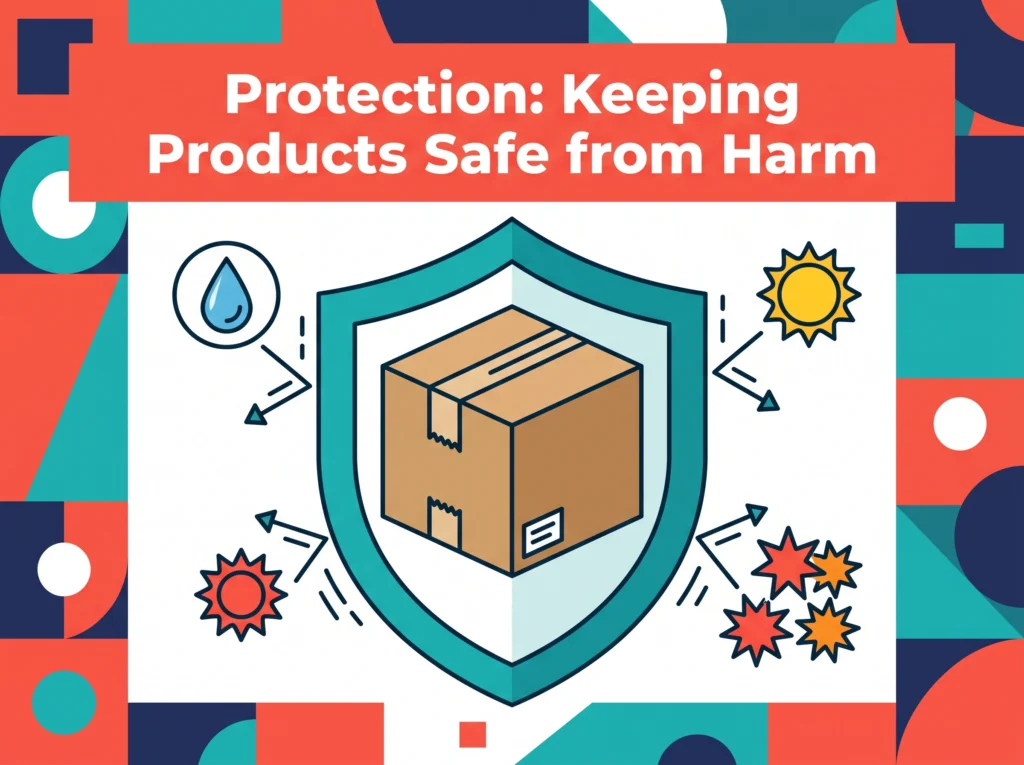
Protection is often called the most important function of packaging. It shields products from:
- Drops, bumps, and pressure during shipping
- Moisture, dust, and sunlight
- Tampering and contamination
Corrugated cardboard absorbs shocks, while inserts keep fragile items from moving. A tamper-proof seal builds trust because buyers can see the product is untouched.
Real example: E-commerce brands use padded mailer boxes with custom inserts, cutting product damage claims and keeping customers happy.
3. Preservation: Extending Shelf Life
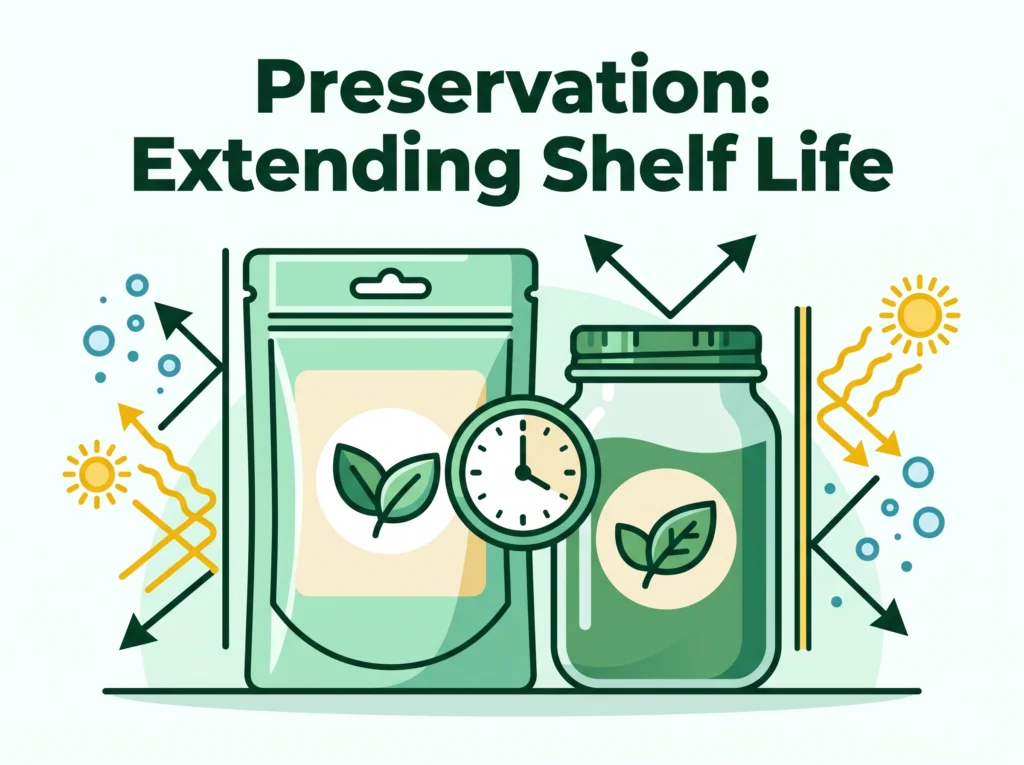
Preservation keeps food, cosmetics, and medicine fresh over time. Barrier properties in materials block air, light, and moisture that spoil products.
This is huge in food packaging. Vacuum-sealed bags, foil-lined boxes, and airtight tins all slow down spoilage. Longer shelf life means less waste and more sales time on the shelf.
Real example: Coffee brands use one-way valve bags. The valve lets gas escape but blocks oxygen from entering, so beans stay fresh for months.
4. Communication: Telling the Product’s Story
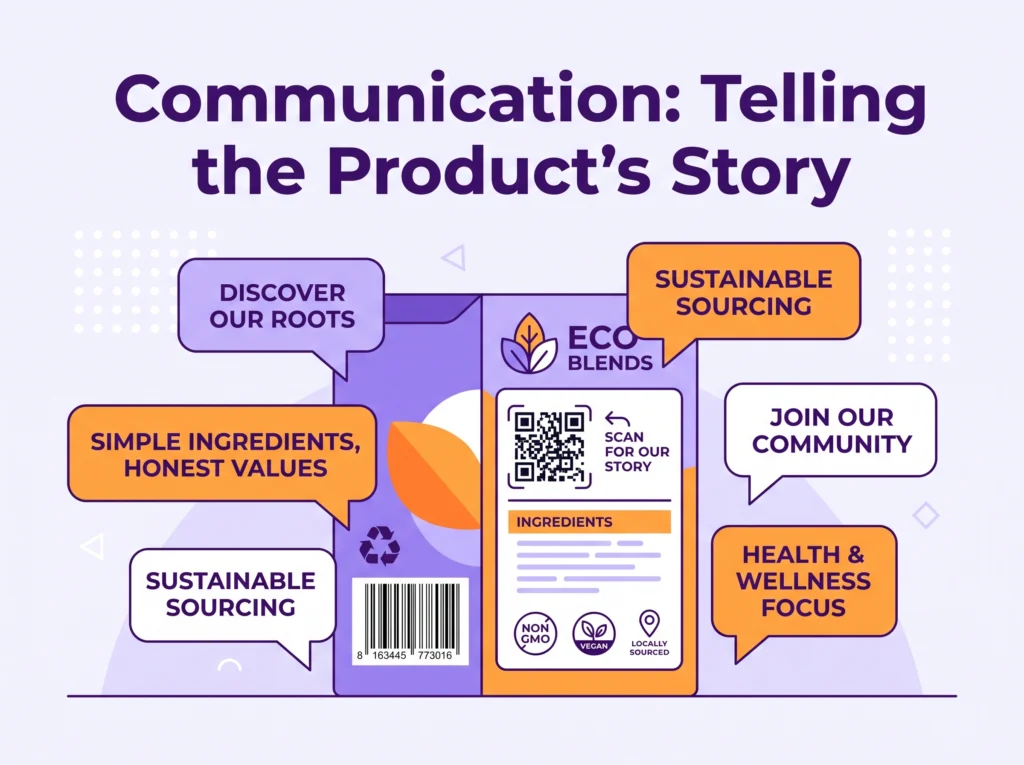
Your package speaks before you do. The communication function of packaging covers:
- Product name, ingredients, and usage instructions
- Safety warnings and FDA labeling requirements
- Barcodes, QR codes, and expiry dates
- Brand story and values
Clear informational labeling helps shoppers decide fast. It also keeps your brand legally compliant a must for food, supplement, and cosmetic products.
Real example: Smart packaging with QR codes lets buyers scan and watch how-to videos, check authenticity, or read full ingredient lists.
5. Convenience: Making Life Easier for Customers
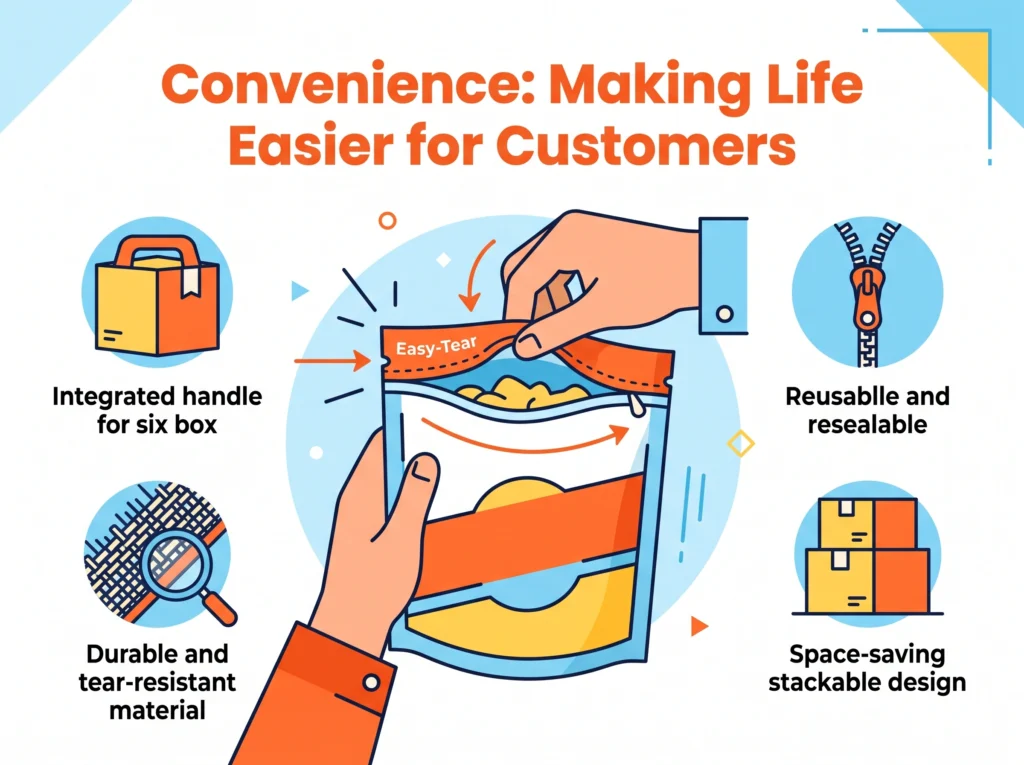
Convenience covers everything that makes a package easy to open, carry, store, pour, or reseal. Shoppers love packaging that respects their time.
Popular convenience features include:
- Easy-tear strips and resealable zippers
- Built-in handles on carry boxes
- Frustration-free packaging that opens without scissors
- Stackable shapes for simple storage
Real example: Snack brands switched to resealable stand-up pouches, and repeat purchases grew because customers could keep food fresh between servings.
6. Promotion: Turning Packaging into a Salesperson
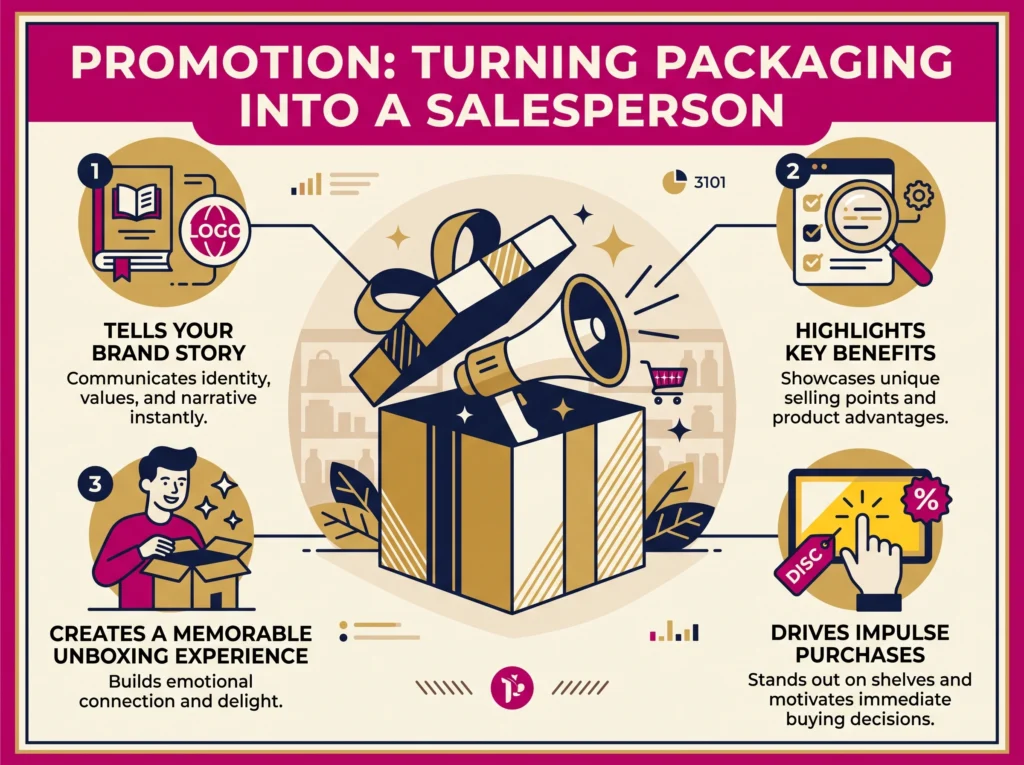
Here’s where packaging meets marketing. The promotion function uses color, shape, texture, and print quality to grab attention at the point of sale.
Strong promotional packaging delivers:
- Eye-catching shelf appeal in crowded retail aisles
- A memorable unboxing experience that shoppers share online
- Consistent brand identity across every product line
Studies show many buying decisions happen right at the shelf. Your box design can win that moment. Brands like ONO Custom Boxes help businesses design packaging that protects products while turning first-time buyers into loyal fans.
Real example: A skincare startup added foil stamping and a thank-you card inside its custom boxes. Customers began posting unboxing videos, giving the brand free social media reach.
7. Unitization: Grouping Products for Smart Shipping
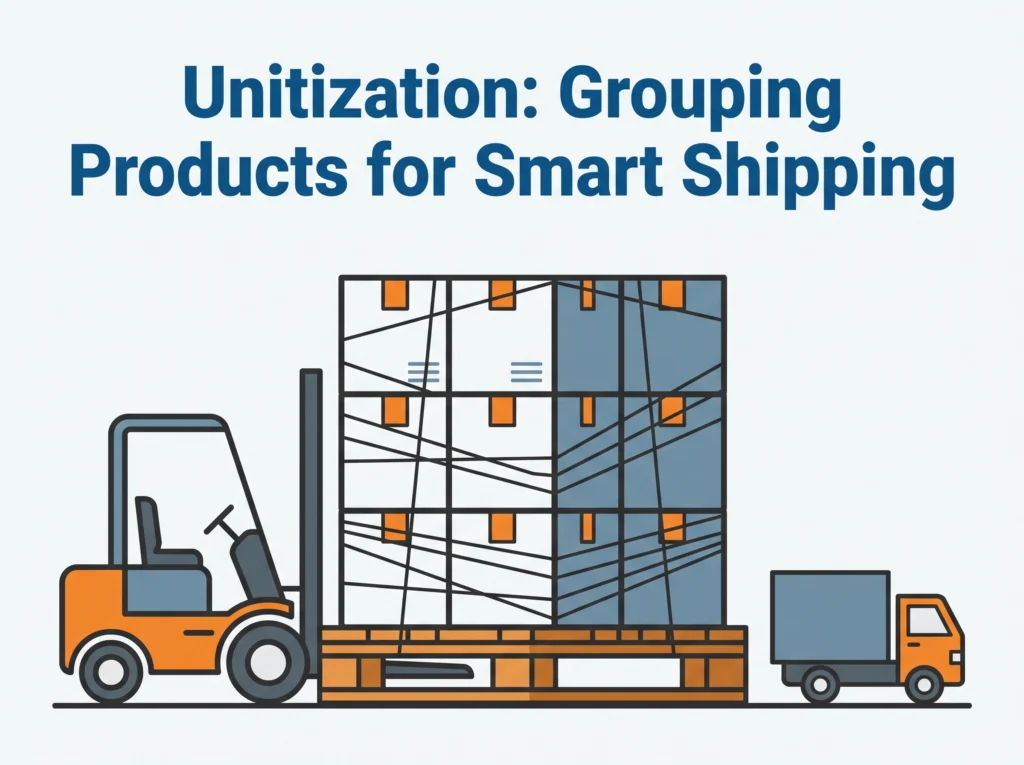
Unitization (also called the transportation function) groups single units into larger loads. Twelve bottles go into one tray, trays go onto a pallet, and pallets fill a truck.
This function improves:
- Load stability during transit
- Palletization and warehouse storage
- Shipping costs across the whole supply chain
Real example: Beverage companies use shrink-wrapped trays so forklifts can move hundreds of cans at once fast, safe, and cheap.
Also Read: What Are the 7 Types of Packaging? Full Guide
7 Functions Across Packaging Types
| Function | Mailer Box | Rigid Box | Folding Carton | Stand-Up Pouch |
|---|---|---|---|---|
| Containment | Strong | Strong | Strong | Strong |
| Protection | Excellent | Excellent | Good | Moderate |
| Preservation | Moderate | Moderate | Good | Excellent |
| Communication | Full print area | Premium print | Full print area | Good |
| Convenience | Self-locking | Reusable | Lightweight | Resealable |
| Promotion | Unboxing appeal | Luxury feel | Retail-ready | Shelf standout |
| Unitization | Stacks flat | Moderate | Ships flat | Lightweight |
Tip: No single packaging type wins every function. Match the package to your product’s biggest need protection for fragile items, preservation for food, promotion for gift products.
4 Functions vs. 7 Functions: Why Do Sources Differ?
You may have seen articles listing only 4 main functions of packaging: containment, protection, communication, and convenience. Both frameworks are correct.
The 4-function model combines related roles. The 7-function model separates preservation from protection, and splits promotion and unitization into their own categories. Marketers and packaging engineers prefer the 7-function view because it covers the full journey from factory floor to customer’s hands.
How Sustainability Fits into Modern Packaging Functions
Today, sustainable packaging shapes every function on this list. Eco-friendly packaging materials like recyclable cardboard and compostable films protect products while protecting the planet.
Rising trends to watch:
- Minimalist packaging that cuts material waste
- EPR (Extended Producer Responsibility) rules pushing brands toward greener choices
- Recyclable vs compostable material debates
- AI in packaging design for smarter, lighter structures
Green packaging is no longer optional many shoppers now check for eco-friendly labels before buying.
Frequently Asked Questions
What is the most important function of packaging?
Protection is widely seen as the most important function because damaged products lead to returns, waste, and lost trust. However, containment comes first without it, no other function can happen.
What is the difference between primary, secondary, and tertiary packaging?
Primary packaging touches the product directly (a bottle). Secondary packaging groups primary units (a box holding six bottles). Tertiary packaging prepares goods for bulk shipping (pallets and stretch wrap).
How does packaging influence buying decisions?
Packaging shapes first impressions through color, design, and texture. Strong shelf appeal and a great unboxing experience can turn a first-time shopper into a repeat customer.
What are the marketing functions of packaging?
Marketing functions include promotion, brand identity, product differentiation, and customer engagement through QR codes or social-media-worthy designs.
Why is containment called the basic function of packaging?
Because every other function depends on it. A package must first hold the product before it can protect, preserve, or promote it.
How does sustainable packaging affect these functions?
Sustainable packaging must deliver all seven functions using recyclable or compostable materials protecting the product and the environment at the same time.
Key Takeaways
- The 7 functions of packaging are containment, protection, preservation, communication, convenience, promotion, and unitization.
- Protection saves money by preventing damage; promotion grows sales through shelf appeal.
- Match your packaging type to your product’s top-priority function.
- Sustainable packaging and smart packaging are reshaping how these functions work in 2026.
Great packaging does seven jobs at once quietly, every single day. When your boxes contain, protect, preserve, communicate, offer convenience, promote, and ship efficiently, your brand wins at every step of the customer journey.