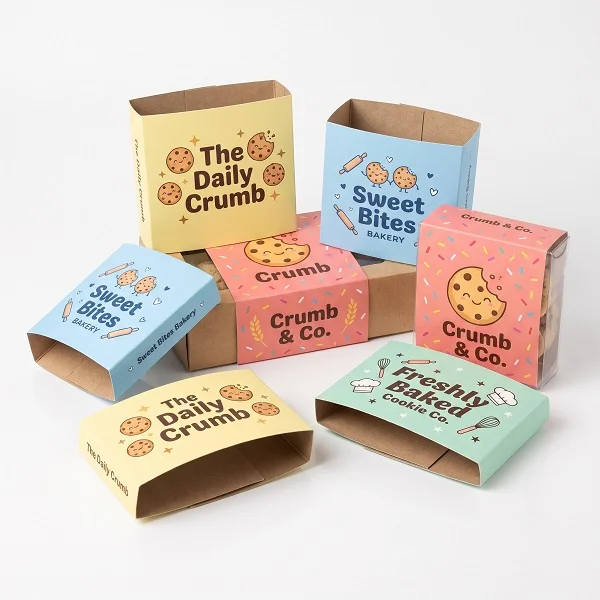
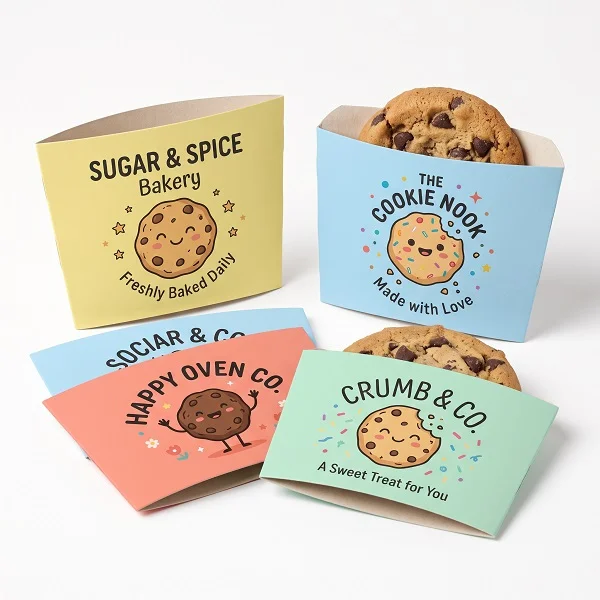
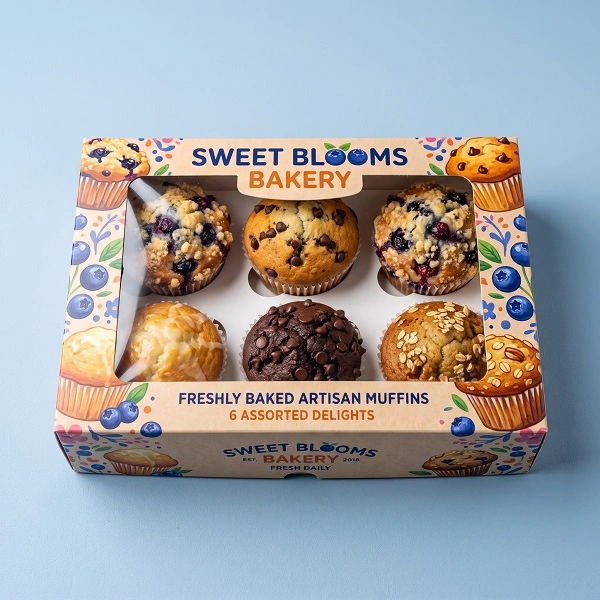
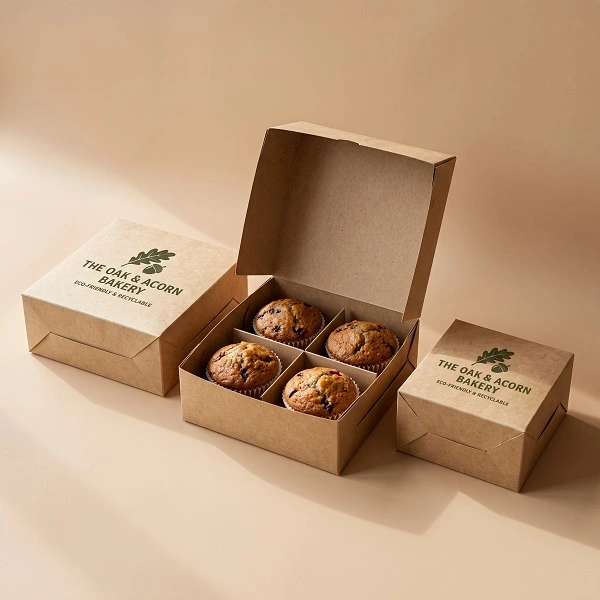
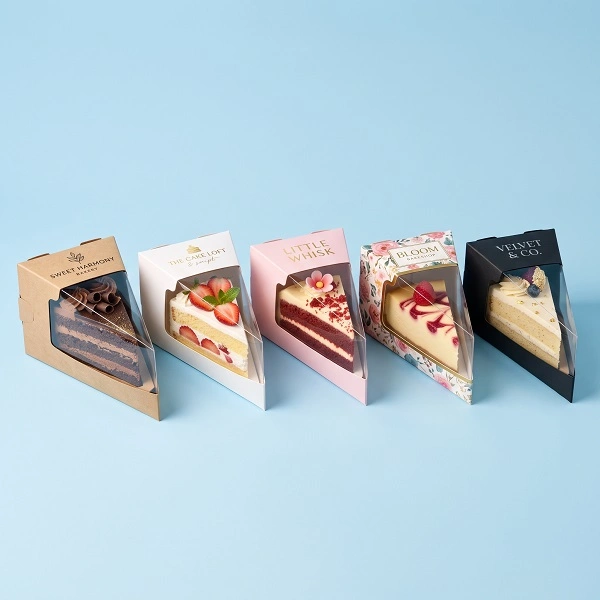
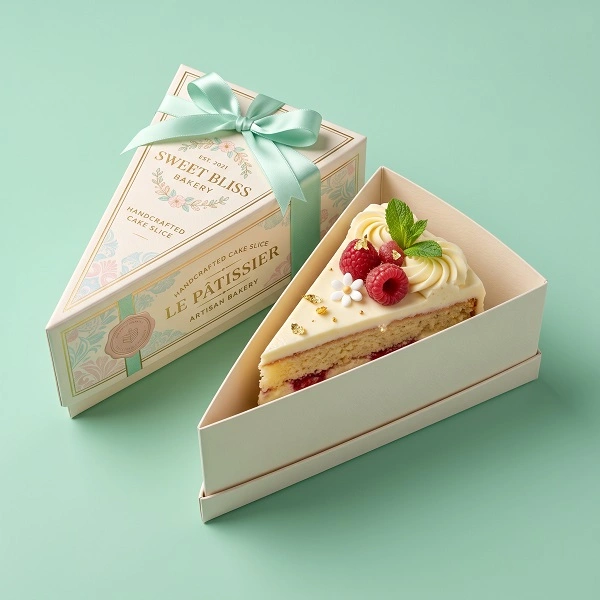
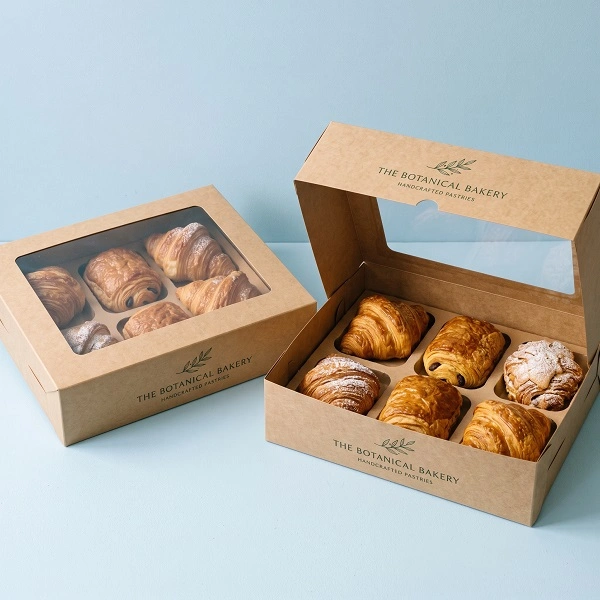
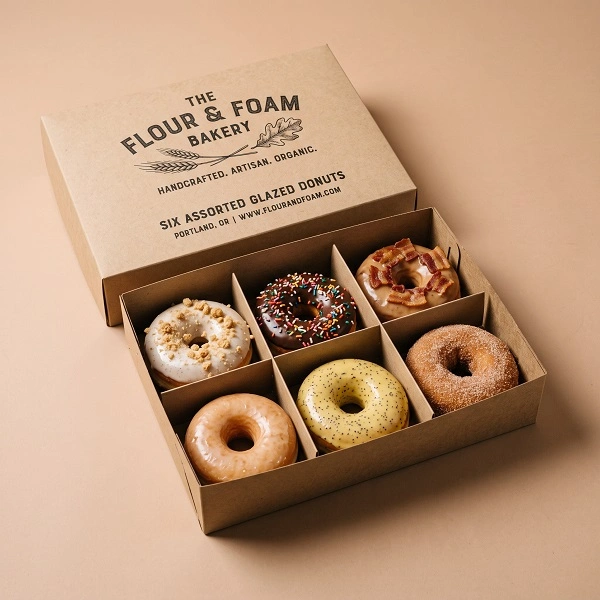
Custom pastry sleeves built to your exact product size. Grease-proof kraft, coated and window options, printed with your logo in full color or foil stamping. Food-safe materials, with low 100-unit minimums, free dieline and sample, plus fast nationwide US delivery.




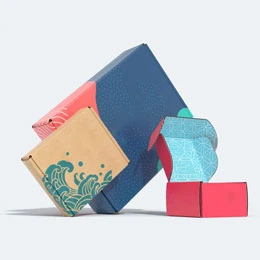
Get Your Custom Boxes Designed in Your Desired Shape, Size and Style

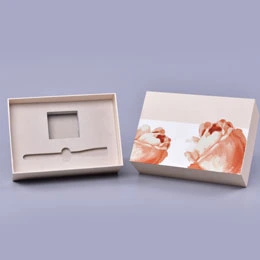
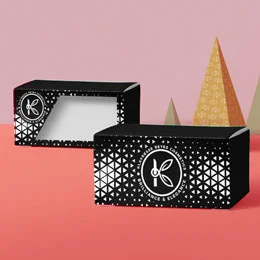
Get Your Custom Boxes Printed With Your Desired Artwork And Colors

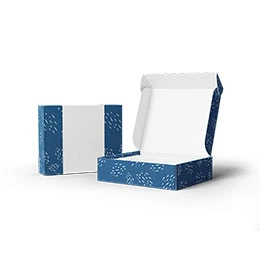
Get Custom Boxes At Wholesale Prices. Low MOQs. No Die or Plate Charges
| Dimension (L + W + H) | All Custom Sizes & Shapes |
| Quantities | Low Minimum Order Required |
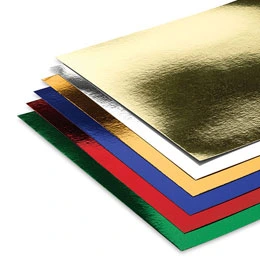
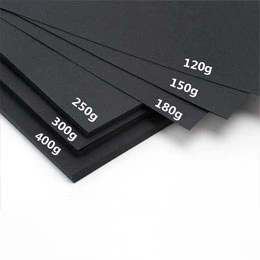
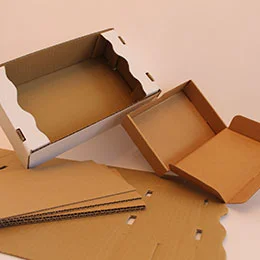
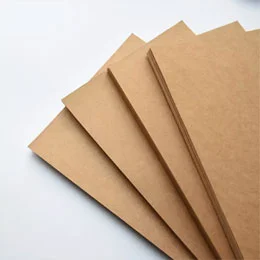
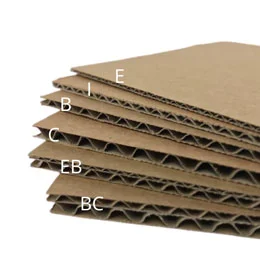
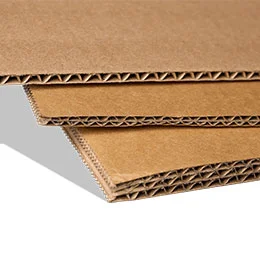
| Stock | 10pt to 28pt (60lb to 400lb) Eco-Friendly Kraft, E-flute Corrugated, Bux Board, Cardstock |
| Printing | No Printing, CMYK, CMYK + 1 PMS color, CMYK + 2 PMS colors |
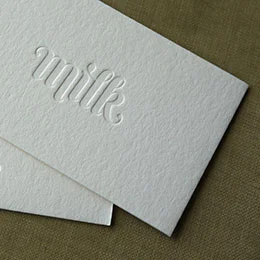
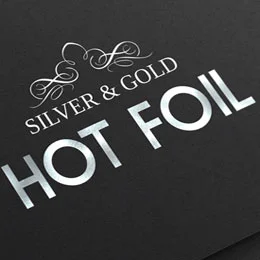
| Finishing | Gloss Lamination, Matte Lamination, Gloss AQ, Gloss UV, Matte UV, Spot UV, Embossing, Foiling |
| Included Options | Die Cutting, Gluing, Scoring, Perforation |
| Additional Options | Eco-Friendly, Recycled Boxes, Biodegradable |
| Proof | Flat View, 3D Mock-up, Physical Sampling (On request) |
| Turnaround | 8 – 12 Business Days, RUSH |
| Shipping | FREE USA |
Custom pastry sleeves are printed paperboard bands that wrap around a pastry, slice, or dessert to hold it securely, block grease transfer, and carry your branding. They are produced in kraft, SBS, or coated board with optional windows and food-safe barrier coatings, and are sized to your exact product dimensions rather than a generic stock template.
Most bakeries do not lose money on packaging because they picked the wrong color. They lose it because the sleeve arrived a quarter-inch too loose and the croissant slides out at the counter, or because the butter bled through the board by the time the customer got to their car.
Those two failures fit and grease account for the overwhelming majority of pastry packaging complaints we see. Everything else is aesthetics. A custom pastry sleeve solves both, but only when the board weight, barrier coating, and internal circumference are specified against your actual product, not guessed from a catalog page.
That is the difference between a stock sleeve you buy by the case and a custom program built around what you actually bake.
Custom pastry sleeve manufacturing means we take your product’s real dimensions, your volume, and your brand assets, and produce a die-cut, printed paperboard sleeve engineered around them.
A sleeve is not a box. It is an open-ended band sometimes fully closed, sometimes a wrap with a glued or tuck-lock seam that grips the product by friction and presentation rather than fully enclosing it. That makes it cheaper per unit than a folding carton, faster to load at the counter, and far better for products the customer should be able to see and smell.
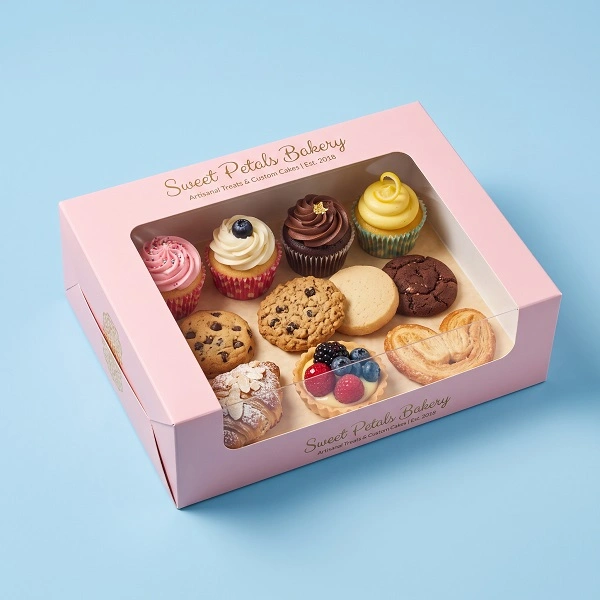
Typical applications include croissants, danishes, éclairs, cake slices, brownies, cookie stacks, loaf cakes, and pre-portioned dessert bars. Sleeves also serve as an outer band over a clear clamshell or a plain white base box the pastry box sleeve approach, where one printed sleeve brands an entire line of unbranded containers.
Barrier specification is done before printing, not after. Grease resistance is chosen from your product’s fat content and dwell time how long the pastry sits in the sleeve before it’s eaten. A butter croissant sold for immediate consumption and a slice of ganache cake that travels 40 minutes need different coatings. We ask first.
Dimensional tolerance is quoted, not assumed. Sleeve circumference is calculated as twice the product width plus twice its height, then adjusted for board caliper and a fit allowance. Get this wrong by an eighth of an inch and the sleeve either tears on application or slips off in transit.
Food-contact compliant materials. All direct-contact stocks, coatings, and inks are FDA food-contact compliant, and documentation is available on request for retail and wholesale buyers who need it for vendor onboarding.
Physical proof before production. A printed sample ships before the full run on any custom order. You put a real pastry in a real sleeve and confirm the fit yourself.
Made and shipped domestically. Serving bakeries and food brands nationwide across the USA, with no overseas freight timeline attached to a reorder.
Board weight tracks product weight. A single cookie sleeve at 14pt is fine; a two-pound loaf band at 14pt will bow.
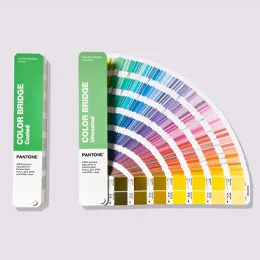
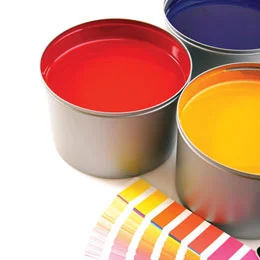
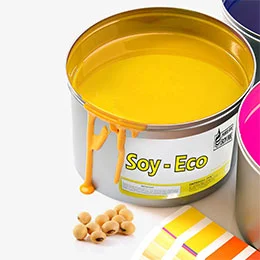
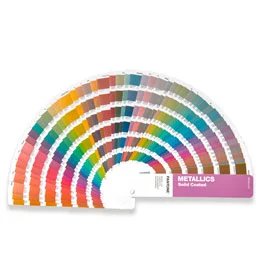
Full CMYK offset for volume runs, digital for shorter runs and versioned SKUs. Spot Pantone matching is available where a brand color must hold consistently across reorders worth specifying if your sleeve sits next to other branded packaging on a shelf. Soy-based and vegetable-based inks available.
Finishes include matte and gloss aqueous coating, soft-touch lamination, spot UV, foil stamping, and embossing or debossing. For custom pastry sleeves with logo work, a foil or deboss on kraft is usually more effective than four-color print it reads as considered rather than loud.
Two options, and the choice matters more than people expect:
Window pastry sleeves with film look better on a shelf. Open windows keep croissants crisp. Pick based on the product, not the photograph.
Straight band, tuck-end wrap, glued seam sleeve, tapered sleeve for wedge-shaped cake slices, and belly bands for tray or clamshell overwrap.
Lower unit cost than a folding carton. A sleeve uses substantially less board than a fully enclosed box of the same product footprint. For high-volume single-serve items, this is often the single largest packaging saving available.
Faster counter service. Staff slide the product in rather than assembling and closing a carton. Over a morning rush, that time is real.
The product sells itself. Partial visibility outperforms full enclosure for impulse purchase. Customers buy the pastry they can see.
Branding on a low-cost substrate. Printed pastry sleeves put your logo, handle, allergen info, and reorder prompt on every item without the cost of a printed box.
One sleeve can brand an entire line. Buy plain base containers in bulk and differentiate with the sleeve. This is the most cost-efficient route for a bakery running twelve SKUs.
Reduced grease complaints. A correctly specified barrier eliminates the transfer that ruins bags, display cases, and customer clothing.
1. Specification call. Product dimensions, weight, fat content, dwell time, temperature at packing, and where it’s sold. Fifteen minutes, and it determines everything downstream.
2. Material and structure recommendation. We come back with board, coating, and style options at two or three price points, with the trade-offs stated plainly.
3. Dieline and artwork. You receive a print-ready dieline template. Supply your own artwork against it, or use in-house design support to build it. Digital proof follows for approval.
4. Physical sample. A printed sample ships for real-world fit testing. Approve or adjust adjustments at this stage cost nothing.
5. Production. Standard turnaround is 8–10 business days after final approval. Rush production is available at 4–6 business days.
6. Delivery and reorder. Shipped nationwide. Your dieline and color values stay on file, so reorders skip straight to production.
Retail bakeries and pastry shops selling single-serve items over a counter. Cafés and coffee shops pairing pastries with drinks. Patisseries where presentation carries the price point. Dessert brands and cake studios. Restaurants selling takeaway slices. Catering companies portioning for events. Food trucks needing fast, one-handed service. Grocery store in-store bakery programs. Home bakers and cottage food operations moving from clear bags to branded packaging. Wholesale food brands supplying wholesale bakery packaging into retail accounts.
The common thread: a product that needs to be held, seen, and branded, without the cost or bulk of a full box.
What is the minimum order for custom pastry sleeves?
Custom runs start at 100 units. Smaller quantities run digitally; larger volumes move to offset, where the per-unit price drops substantially. Home bakers and new brands routinely start at the minimum and scale up once a design is proven.
Will grease soak through the sleeve?
Not with a correctly specified barrier. Untreated board will absorb fat from butter-laminated pastries within a couple of hours. Water-based dispersion coating handles most bakery applications while remaining recyclable; PE lamination handles the extreme cases at the cost of recyclability.
How do I measure for a sleeve that fits?
Measure the product at its widest and tallest points. Sleeve internal circumference is roughly twice the width plus twice the height, plus a fit allowance of about 1/8″ to 1/4″ depending on board thickness and how snug you want it. Send us the product dimensions and we calculate it and the physical sample confirms it before you commit.
Are custom pastry sleeves food safe?
Yes. Direct-contact stocks, coatings, and inks are FDA food-contact compliant. Documentation is available if your retail buyer requires it.
Can I get eco-friendly pastry sleeves that are actually recyclable?
Yes uncoated or dispersion-coated kraft with soy-based inks is recyclable in standard paper streams. Avoid PE lamination and film windows if recyclability is the priority, and expect a shorter grease-hold window in exchange.
Do you print small text like allergen and ingredient information?
Yes. Minimum recommended print size is 6pt on coated stock and 7pt on uncoated kraft, where fiber texture reduces legibility. Send your required copy at the dieline stage so it’s laid out with the artwork rather than squeezed in afterward.
What’s the difference between a pastry sleeve and a pastry box?
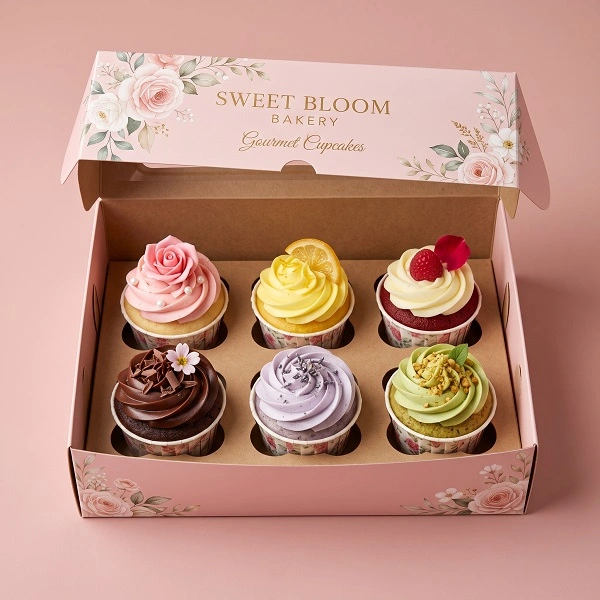
A sleeve is an open band that grips the product and leaves it partly visible. A box fully encloses it. Sleeves cost less, load faster, and sell better at the counter. Boxes protect better in transit and stack for delivery. Many operations use both sleeves for walk-in, boxes for orders.
Send your product dimensions and roughly how many you need per month. You’ll get a material recommendation, a dieline, and pricing at two or three specification levels with the trade-offs explained, not buried.
Request a quote, or ask for a physical sample first. Most bakeries make the right call once they’ve held it.
At Ono Custom Boxes, our Artwork Preparation Guide helps ensure your custom packaging design is print-ready for high-quality results. To get started, submit vector files (AI, EPS, or PDF) in CMYK color mode, with a 1/8 inch bleed and 300 DPI resolution. Convert all text to outlines and keep it at least 1/4 inch from the edges. Review your proof to ensure accuracy before submitting. Following these steps will guarantee your design is perfectly printed on your custom boxes.
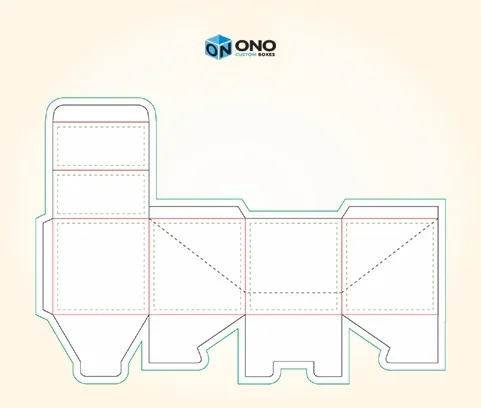

The cut line is the outline that marks where your custom packaging will be trimmed. It is typically represented by a solid black line in your artwork file.

The bleed line is the area extending beyond the cut line, usually marked with a green line in your artwork. Typically, a 1/8 inch (0.125") bleed is required to prevent any unwanted white borders.
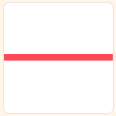
The crease line, marked by red lines in your artwork, indicates where the box will be folded during production.
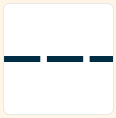
Perforation lines, shown as dotted black lines, indicate where the box will have small, evenly spaced holes for easy tearing or separation. These are often used for tear-away sections.
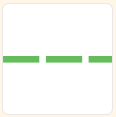
The safety margin, marked by dotted green lines, is the area around the cut line where important elements (such as text, logos, or graphics) should be kept clear.
Need Help with Ono Custom Boxes Consultant? We’re here! We offer a variety of packaging options, from sustainable choices to personalize packaging, all aimed at helping your product stand out. And with our fast turnaround, you can get started without the wait.




Ono Custom Boxes delivers innovative, durable, and affordable packaging tailored to meet your business needs and brand identity.
111-06 Farmers Boulevard, Rochdale Village, NY 11434
Copyright © 2026 Ono Custom Boxes. All Rights Reserved
WhatsApp us