Custom burger sleeves printed with your logo and built to your exact burger size. Grease-resistant kraft or white board, PFAS-free barrier options, and free dielines. Wholesale pricing, free samples, and nationwide US delivery for restaurants, food trucks, and ghost kitchens.





Get Your Custom Boxes Designed in Your Desired Shape, Size and Style

Get Your Custom Boxes Printed With Your Desired Artwork And Colors

Get Custom Boxes At Wholesale Prices. Low MOQs. No Die or Plate Charges
| Dimension (L + W + H) | All Custom Sizes & Shapes |
| Quantities | Low Minimum Order Required |
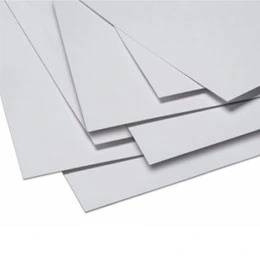
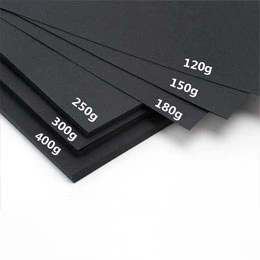
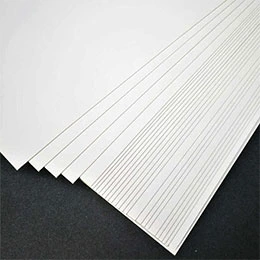
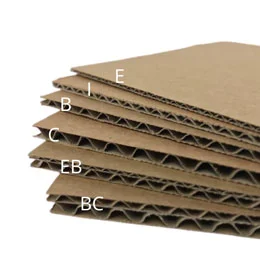
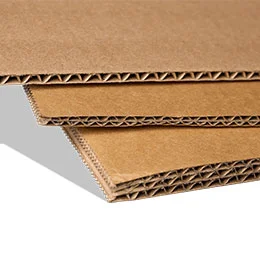
| Stock | 10pt to 28pt (60lb to 400lb) Eco-Friendly Kraft, E-flute Corrugated, Bux Board, Cardstock |
| Printing | No Printing, CMYK, CMYK + 1 PMS color, CMYK + 2 PMS colors |
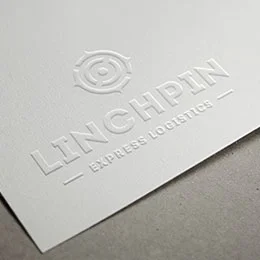
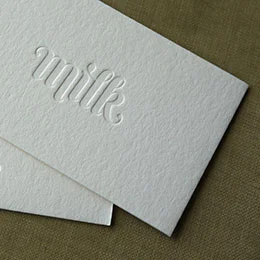
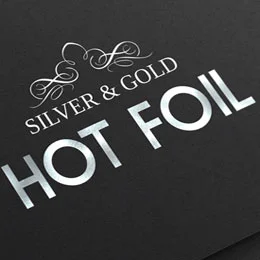
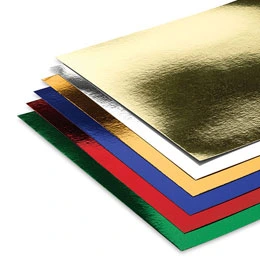
| Finishing | Gloss Lamination, Matte Lamination, Gloss AQ, Gloss UV, Matte UV, Spot UV, Embossing, Foiling |
| Included Options | Die Cutting, Gluing, Scoring, Perforation |
| Additional Options | Eco-Friendly, Recycled Boxes, Biodegradable |
| Proof | Flat View, 3D Mock-up, Physical Sampling (On request) |
| Turnaround | 8 – 12 Business Days, RUSH |
| Shipping | FREE USA |
Custom burger sleeves are die-cut paper bands that wrap around an assembled burger to hold the stack together, keep grease off the customer’s hands, and carry your branding. They’re made from grease-resistant kraft or coated paperboard, printed with your logo, and sized to your specific burger build. Available wholesale across the USA with full-color printing and PFAS-free barrier options.
A burger has about a four-minute window between the pass and the first bite. In that window, three things go wrong with generic packaging: the bun compresses, condensation turns the top crown soft, and grease bleeds through onto the customer’s fingers.
Closed clamshells trap steam and are the fastest way to ruin a toasted brioche. Loose deli paper doesn’t hold a tall stack together, so the build collapses the moment someone picks it up. Blank sleeves from a restaurant supply catalog solve the mechanics but hand you zero brand recall and in a delivery-driven market where the packaging is the only physical touchpoint you get, that’s a real cost.
Custom burger sleeves solve all three problems at once. The open top and bottom let steam escape so the bun stays crisp. The band holds the stack under compression. The printed surface does the branding work every time an order leaves your kitchen.
A burger sleeve is an open-ended paper band. It slides around the middle of the assembled burger, leaving the top and bottom exposed. The customer holds the sleeve, not the burger, and peels it down as they eat.
Structurally it’s simple a die-cut blank with a glued side seam but the specification behind it is not. Getting a sleeve right means matching four variables to your menu:
Get those four right and the sleeve does its job invisibly. Get them wrong and you’ve bought printed paper that fails at the counter.
We spec before we quote. Most suppliers take your logo and a quantity and send a price. We ask about your patty weight, bun supplier, hold time, and whether you’re primarily dine-in or delivery because a smash burger going out in three minutes and a double-stack sitting in a warmer for fifteen need different barriers.
PFAS-free by default. Traditional grease-proofing relied on per- and polyfluoroalkyl substances. Those are now restricted in food packaging across a growing list of states, and the FDA completed its voluntary market phase-out of PFAS grease-proofing agents for food contact paper. Our grease resistance comes from densified greaseproof base sheets and water-based dispersion coatings instead. You get the barrier without the compliance exposure.
Honest color expectations. Brand colors behave differently on unbleached kraft than on white stock. Kraft’s warm brown ground shifts everything toward earth tones a cool blue reads muted, a bright red reads brick. We tell you this before you approve artwork, and we’ll show you the shift on a proof rather than letting you find out on a pallet of 20,000 sleeves.
Nationwide fulfillment. We serve restaurants across the United States with freight to commissary kitchens, individual locations, and multi-unit distribution.
Natural kraft unbleached, visibly fibrous, the default for craft burger and smash burger brands. Ink coverage is limited to the warm side of the palette but the material itself signals the positioning.
White SBS board bleached surface, the widest color gamut available. Correct choice if your brand identity depends on accurate color reproduction or you print photography.
Greaseproof base sheet pulp densified through extended refining rather than coated. The grease resistance is structural, not applied, which makes it the most reliable option for high-fat patties and longer hold times.
Clay-coated kraft kraft appearance with a smoother printing surface and improved barrier.
We rate barrier by hold time and fat load. A quick-service smash burger handed over in under five minutes needs far less than a bacon double sitting in a delivery bag for twenty-five. Options range from a light water-based dispersion coating to a full greaseproof substrate. If you don’t know your numbers, we’ll run a hold test with samples before you commit to a run.
Digital for runs under roughly 10,000 units, seasonal LTOs, and multi-SKU brands that need six designs instead of one. No plate charges, fast turnaround.
Flexographic for high-volume production. Lower unit cost, plate charges amortized over the run, ideal for a single evergreen design.
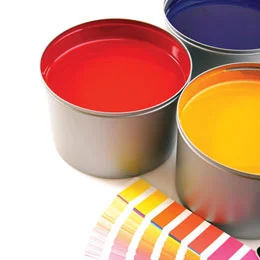
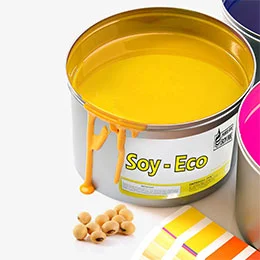
All printing uses food-contact-safe, water-based or soy-based inks and is applied to the outer face only.
Standard sleeve profiles cover most builds:
Custom dielines are available at no extra charge for builds outside these ranges. If you’re not sure, send us a burger photo next to a ruler we’ll do the math.
Matte or gloss varnish, spot UV for logo emphasis, embossing, and tamper-evident sticker seals for delivery and ghost kitchen operations.
Bun integrity. The open architecture vents steam. Your toasted bun arrives as a toasted bun.
Clean hands. Customers hold the sleeve. Fewer napkins consumed, better eating experience, fewer complaints.
Structural support. Tall builds stay assembled through transit and the first three bites.
Every order becomes a brand impression. In third-party delivery, your packaging is the only branded surface the customer touches. A sleeve is cheap advertising that the customer holds for four minutes and photographs for social media.
Lower cost per unit than clamshells. Sleeves use significantly less material than a full closed container, and they ship and store flat.
Regulatory headroom. PFAS-free specs keep you compliant as state-level restrictions expand.
Recyclable and compostable options. Uncoated and dispersion-coated kraft sleeves are curbside recyclable in most municipalities and commercially compostable.
1. Spec consultation. Tell us your burger build, volume, hold time, and service model. We recommend substrate, barrier, and dimensions.
2. Quote. Transparent pricing with per-unit cost at multiple quantity breaks, so you can see exactly where volume pricing kicks in.
3. Dieline and proof. We send a structural dieline and a digital proof with your artwork placed. Unlimited revisions at this stage.
4. Physical sample. For first-time orders and large runs, we produce a physical sample so you can test grip, barrier, and color in your actual kitchen before we go to press.
5. Production and QC. Print, die-cut, glue, and inspect. Color is checked against the approved proof throughout the run.
6. Delivery and reorder. Freight to your location or commissary. Your specs stay on file, so reorders are a single message.
Burger restaurants and burger-focused brands. Fast food chains and franchise groups needing consistent packaging across units. Food trucks, where compact flat-pack storage matters. Cafes and takeout restaurants adding burgers to the menu. Ghost kitchens and delivery-only brands that need packaging to carry the entire brand experience. Catering companies and event vendors serving high volume in short windows. Food courts, dine-in restaurants presenting a plated burger with a branded band, and wholesale food distributors supplying independent operators.
Will grease soak through a paper burger sleeve?
Not if the barrier matches your patty. A standard sleeve handles a lean patty over a short hold. High-fat patties, bacon, or extended hold times need a greaseproof base sheet or dispersion coating. We’ll match the spec to your actual build send us the patty fat percentage and your average hold time.
What size sleeve do I need?
Measure your assembled burger’s widest diameter and total height. Circumference should be roughly π × diameter, with a small allowance for the glue lap and grip tension. Band height typically covers 60–70% of stack height. Or just send a photo with a ruler and we’ll spec it.
Are your sleeves PFAS-free?
Yes. We use greaseproof base sheets and water-based dispersion coatings rather than fluorochemical treatments. Documentation is available for compliance records.
Can you match my exact brand colors?
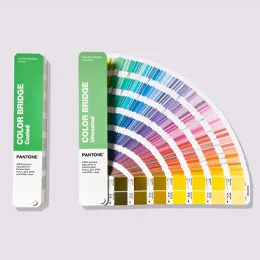
On white SBS, yes Pantone matching is reliable. On natural kraft, the brown substrate shifts every color warmer and lower in saturation. We’ll show you the actual shift on a proof and can adjust the build to compensate, but we won’t promise an exact match on kraft that isn’t physically achievable.
What’s the minimum order quantity?
100 MOQs Digital printing keeps low quantities economical, so smaller runs and multi-design orders are viable without plate charges.
How long does production take?
Typically 8–12 business days from proof approval for digital runs, 12–18 for flexographic, plus transit. Rush production is available.
Do sleeves work for delivery orders?
Yes, and they outperform closed containers for bun quality because they vent steam. For delivery we recommend pairing the sleeve with a tamper-evident seal and a vented carry bag.
Send us your burger specs and artwork, and we’ll come back with a dieline, a proof, and per-unit pricing at multiple quantity breaks. Physical samples ship before you commit to production so you can test the grip and barrier in your own kitchen first. ONO Custom Boxes manufactures custom burger sleeves for restaurants nationwide.
Request a free quote or order a sample pack to get started.
At Ono Custom Boxes, our Artwork Preparation Guide helps ensure your custom packaging design is print-ready for high-quality results. To get started, submit vector files (AI, EPS, or PDF) in CMYK color mode, with a 1/8 inch bleed and 300 DPI resolution. Convert all text to outlines and keep it at least 1/4 inch from the edges. Review your proof to ensure accuracy before submitting. Following these steps will guarantee your design is perfectly printed on your custom boxes.
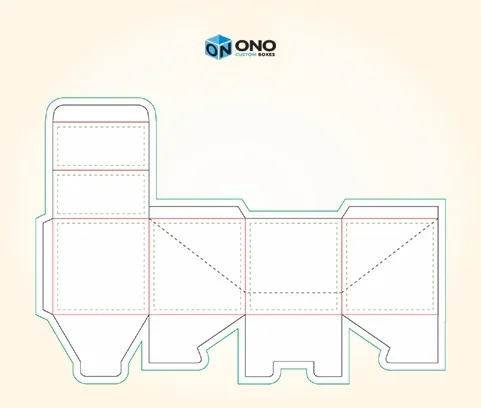

The cut line is the outline that marks where your custom packaging will be trimmed. It is typically represented by a solid black line in your artwork file.

The bleed line is the area extending beyond the cut line, usually marked with a green line in your artwork. Typically, a 1/8 inch (0.125") bleed is required to prevent any unwanted white borders.

The crease line, marked by red lines in your artwork, indicates where the box will be folded during production.
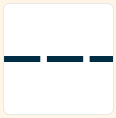
Perforation lines, shown as dotted black lines, indicate where the box will have small, evenly spaced holes for easy tearing or separation. These are often used for tear-away sections.

The safety margin, marked by dotted green lines, is the area around the cut line where important elements (such as text, logos, or graphics) should be kept clear.
Need Help with Ono Custom Boxes Consultant? We’re here! We offer a variety of packaging options, from sustainable choices to personalize packaging, all aimed at helping your product stand out. And with our fast turnaround, you can get started without the wait.
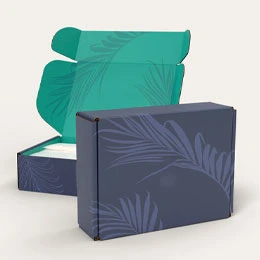
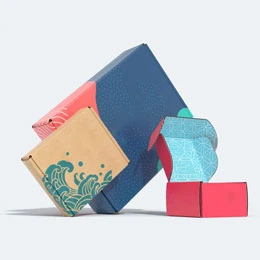
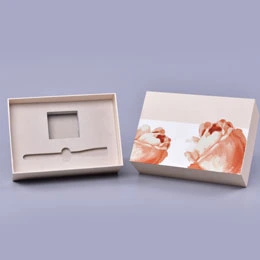
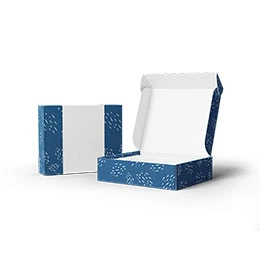




Ono Custom Boxes delivers innovative, durable, and affordable packaging tailored to meet your business needs and brand identity.
111-06 Farmers Boulevard, Rochdale Village, NY 11434
Copyright © 2026 Ono Custom Boxes. All Rights Reserved
WhatsApp us