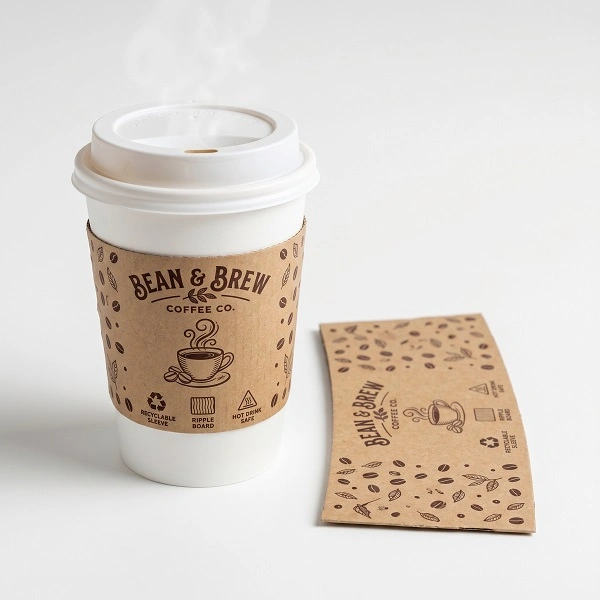
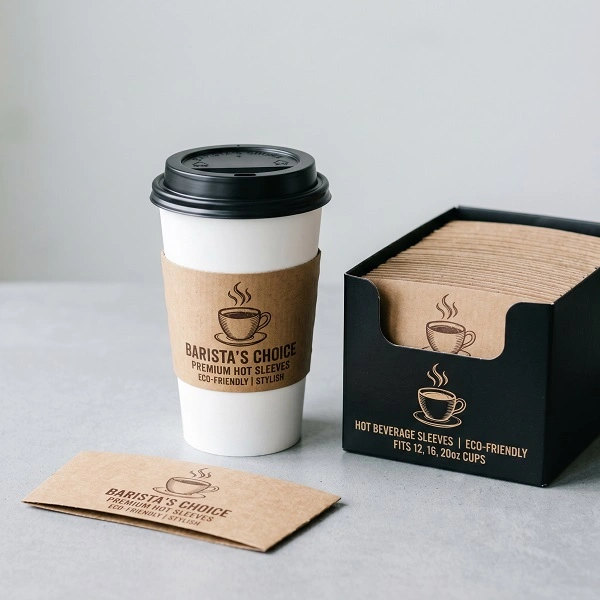
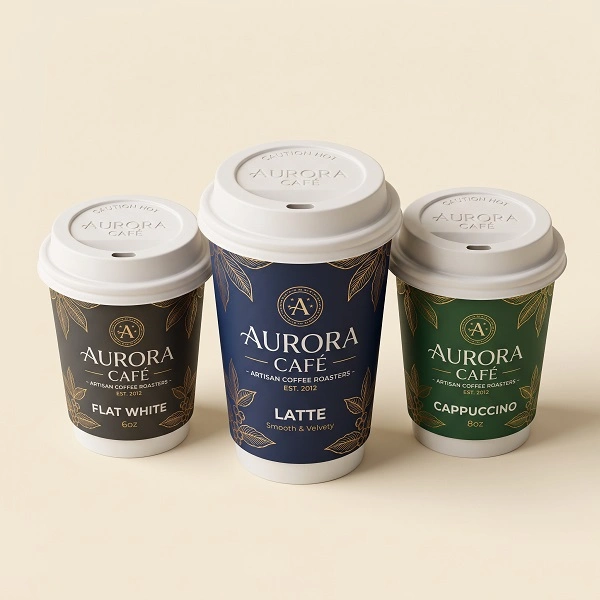
Custom printed coffee cups built for cafes, roasters, and beverage brands. Choose single, double, or ripple wall in 4oz to 24oz, with kraft, PE, or compostable linings. Add your logo, get matched lids, and ship nationwide with fast production turnaround.




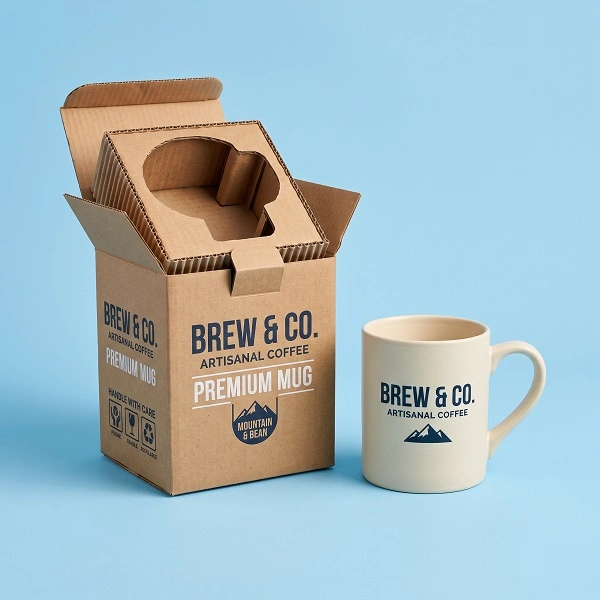
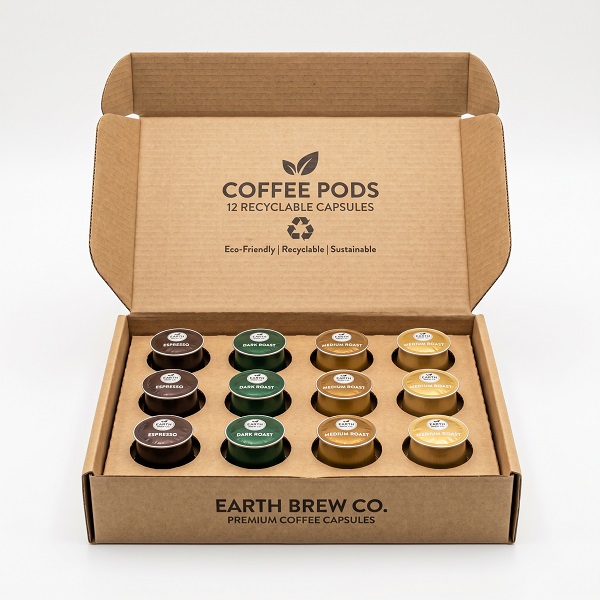
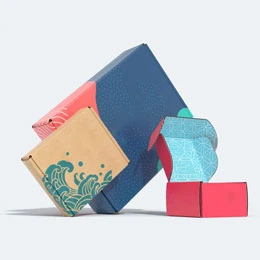
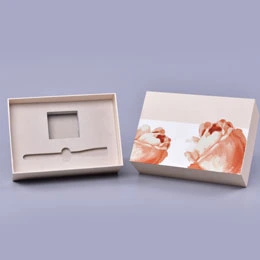
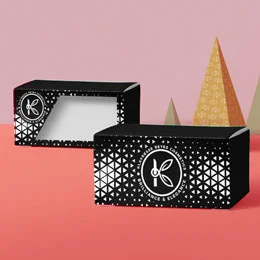
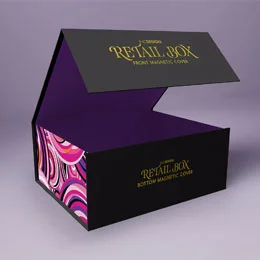
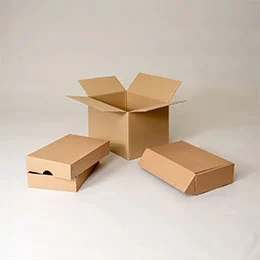
Get Your Custom Boxes Designed in Your Desired Shape, Size and Style

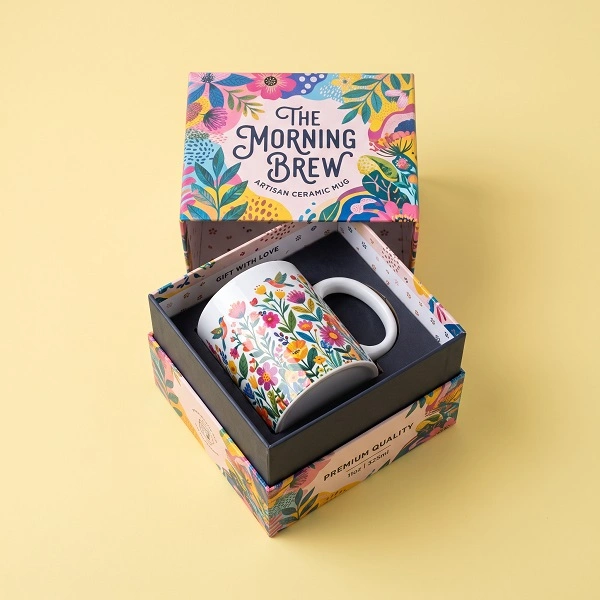
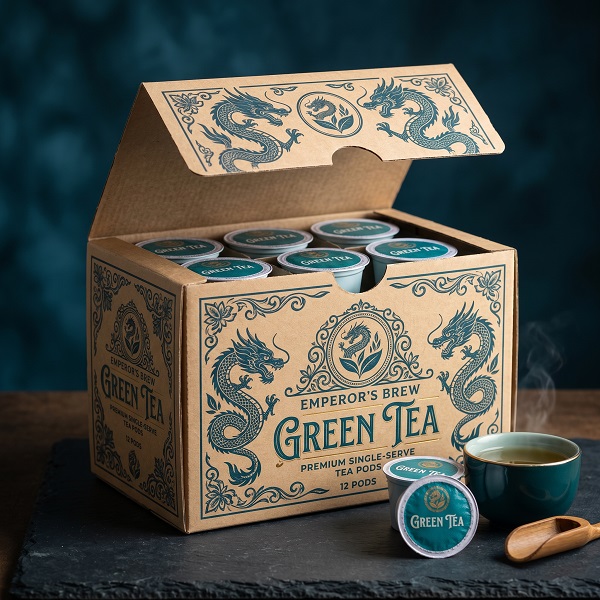
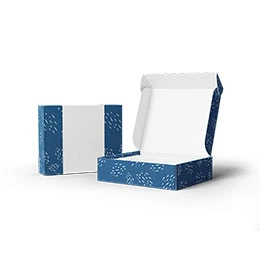
Get Your Custom Boxes Printed With Your Desired Artwork And Colors

Get Custom Boxes At Wholesale Prices. Low MOQs. No Die or Plate Charges
| Dimension (L + W + H) | All Custom Sizes & Shapes |
| Quantities | Low Minimum Order Required |
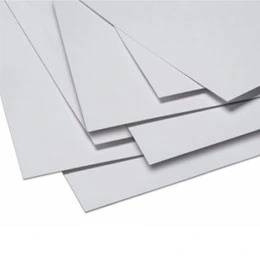
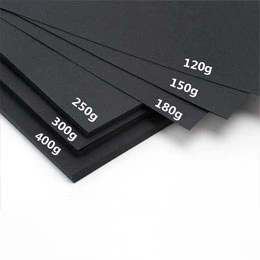
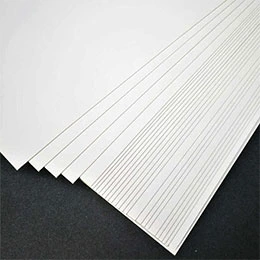
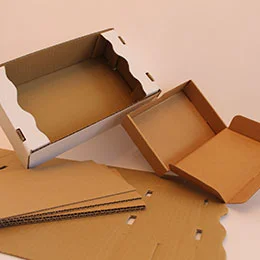
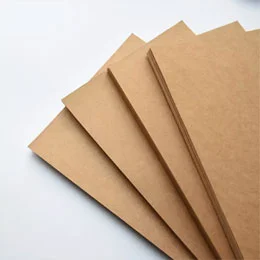
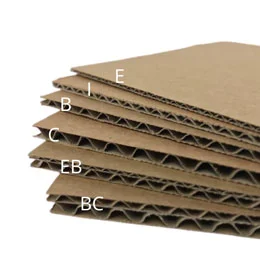
| Stock | 10pt to 28pt (60lb to 400lb) Eco-Friendly Kraft, E-flute Corrugated, Bux Board, Cardstock |
| Printing | No Printing, CMYK, CMYK + 1 PMS color, CMYK + 2 PMS colors |
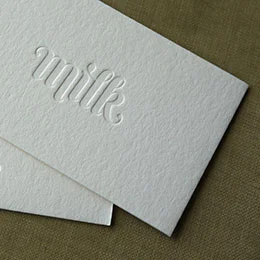
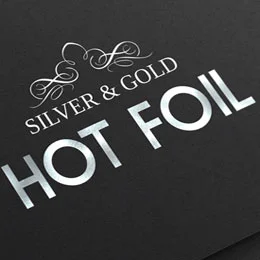
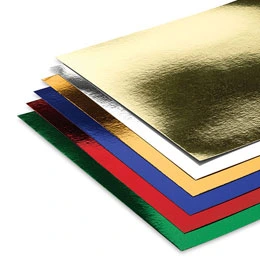
| Finishing | Gloss Lamination, Matte Lamination, Gloss AQ, Gloss UV, Matte UV, Spot UV, Embossing, Foiling |
| Included Options | Die Cutting, Gluing, Scoring, Perforation |
| Additional Options | Eco-Friendly, Recycled Boxes, Biodegradable |
| Proof | Flat View, 3D Mock-up, Physical Sampling (On request) |
| Turnaround | 8 – 12 Business Days, RUSH |
| Shipping | FREE USA |
Custom printed coffee cups are food-grade paper cups printed with your logo, colors, and artwork in single-wall, double-wall, or ripple-wall constructions. Sizes typically run 4oz to 24oz with matching lids. Wholesale production, PE or compostable linings, and nationwide delivery across the USA make them a practical branding tool for any beverage business.
A customer holds your cup for twenty minutes. They carry it through an office lobby, a train platform, a school pickup line. In that window your cup does more brand work than a paid ad ever will, and it does it for pennies per impression.
Most cafes settle for blank white stock because the alternative feels complicated. Long lead times. Confusing artwork requirements. Suppliers who quote one price and invoice another once plate fees and freight land. Then there is the real fear: paying for a full run and opening the carton to find the color is off, the print is crooked, or the lids do not seat properly.
Custom printed coffee cups solve the branding problem only when the manufacturing behind them is reliable. That means correct board weight, a lining that survives 180°F liquid without softening, seam integrity that will not leak in a car cupholder, and lids engineered for the exact cup they ship with.
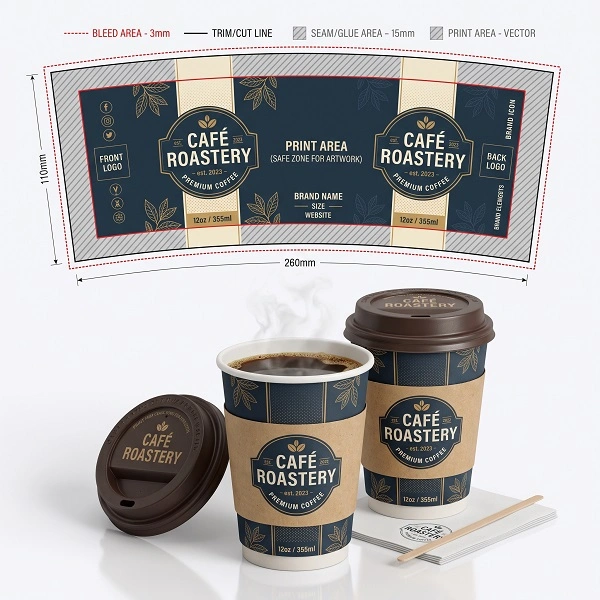
Custom coffee cups are produced from food-grade paperboard, printed flat as a sheet or web, then die-cut, formed, sealed, and rim-curled on a cup-forming line. Printing happens before forming, which is why artwork must be built to a cup die template rather than a flat rectangle.
The full service covers structural specification, artwork prepress, printing, forming, quality inspection, and delivery. You supply a logo and a brand direction. You receive cased, ready-to-use cups matched to lids that actually fit.
Serving businesses across the United States nationwide, production covers hot cups, cold cups, and the full run of accessories that go with them.
Cup-first engineering, not a print shop side product. Coffee cups fail in specific ways. Wicking at the rim, seam separation, lid pop-off during transport. These are structural problems that a printer without cup-forming experience will not anticipate.
Digital proofs plus physical samples before production. Screen color and printed color are different things. You approve a physical cup, not a PDF, before a full run is scheduled.
Transparent, all-in quoting. Plate charges, die setup, lining choice, and freight are stated up front. The number on the quote is the number on the invoice.
Food-contact compliant materials. Board and coatings are sourced from suppliers operating to FDA food-contact standards for direct beverage contact.
Lid and sleeve compatibility guaranteed. Cups and lids are specified together so rim diameter and lid fit are matched, which eliminates the single most common complaint with mixed-supplier ordering.
Reorder consistency. Your specification, die, and color build are archived. Run twelve is the same cup as run one.
Single wall. The standard economical hot cup. Best for volume operations that pair cups with sleeves, and the lowest cost per unit across the range.
Double wall. Two layers of board with an insulating air gap. No sleeve required, a premium hand feel, and a smooth exterior that holds fine print detail well. The default choice for specialty coffee packaging.
Ripple wall. A fluted outer layer that delivers the strongest insulation and a tactile grip surface. Popular for drive-thru and takeaway where cups travel.
Cold and specialty. Cold paper cups for iced coffee and cold brew, plus tasting and espresso sizes at the small end of the range.
Standard hot sizes run 4oz, 6oz, 8oz, 10oz, 12oz, 16oz, 20oz, and 24oz. Cold cups follow their own diameter standards. Lid options include sip-through flat lids, dome lids for whipped toppings, travel lids with a locking tab, and vented designs for extended-hold beverages. Sleeves, carry trays, and stirrers can be printed to match.
Flexographic printing suits high-volume runs with solid brand colors and delivers the strongest cost-per-unit economics.
Offset printing handles photographic imagery, gradients, and fine typographic detail.
Digital printing removes plate costs entirely, which makes it the right fit for shorter runs, seasonal artwork, event-specific designs, and multi-SKU brands that need several designs from one production window.
Pantone matching is available for brand-critical colors. Finishes include matte, gloss, soft-touch, and spot-varnish accents.
PE-lined board is the industry standard for hot beverage integrity and cost.
PLA-lined board is plant-based and commercially compostable, suited to businesses with a stated sustainability position.
Water-based coated board offers a recyclable-stream option in many municipalities.
Kraft coffee cups use unbleached natural board for an artisan look that reads well with minimal single-color printing.
Board weights are specified by size and construction so a 20oz cup does not flex the way a lightly specified cup will.
Print-ready dielines are provided for every size. If you are working from a logo file only, layout and adaptation to the cup die is handled in-house, including the wrap distortion correction that keeps artwork looking straight on a tapered cup.
Every cup is a paid impression that costs almost nothing extra. The unit price gap between blank and printed narrows quickly at volume. The branding is effectively free at scale.
Perceived value rises. A branded double-wall cup supports a higher menu price than a blank cup with a paper sleeve. Customers read packaging as a quality signal before they taste anything.
Delivery and third-party orders carry your name. When your coffee travels through a delivery app, the cup is the only brand asset in the bag.
Photographs drive organic reach. Customers post cups. A distinctive cup design generates tagged social content you did not pay for.
Operational reliability improves. Matched cups and lids reduce spills, waste, and remakes at the counter.
Sustainability claims become credible. Compostable or recyclable stock printed with your certification marks turns an internal policy into something customers can see.
1. Consultation and specification. Share your volume, beverage types, sizes needed, and sustainability requirements. You receive a recommended construction and material spec.
2. Quotation. A written quote covering unit cost, setup, lead time, and freight. No line items appear later.
3. Artwork and dieline. You receive the correct template. Send finished artwork or a logo file for in-house layout.
4. Digital proof. Review placement, wrap alignment, and color build. Revisions are made until approved.
5. Physical sample. A produced cup ships to you for approval on color, feel, and lid fit before full production is released.
6. Production and inspection. Manufacturing runs to the approved spec with inspection at forming, sealing, and packing.
7. Delivery. Cased cups ship nationwide with tracking. Reorders skip straight to production using your archived specification.
Independent coffee shops and cafes building recognition in a competitive local market. Coffee roasters extending packaging identity from retail bags to the cup. Restaurants, bakeries, and hotels that want beverage service to match the rest of their presentation.
Food trucks and event vendors where the cup is often the only branded surface a customer sees. Catering companies and corporate offices running branded service at scale. Beverage brands launching a new product that needs shelf and street presence.
Takeaway businesses whose cups leave the premises by definition, and wholesale distributors supplying private-label or house-brand cups to their own accounts.
What is the minimum order for custom printed coffee cups?
Minimums vary by print method and cup construction. Digital printing supports significantly smaller runs than flexographic, which makes it the right route for new businesses, seasonal designs, and pilot orders. Contact us with your target quantity for an exact figure against your specification.
How long does production take?
Standard lead times run from artwork approval, not from initial inquiry. Digital runs move faster than plated runs. Rush production is available on many specifications. A firm date is confirmed with your quote.
Can I get a sample before ordering?
Yes. A physical printed sample is produced and shipped for approval before full production is released. Blank stock samples are also available if you want to assess board weight and construction first.
Are custom coffee cups with logo printing food safe?
Yes. Inks are food-grade and applied to the exterior surface only. Linings are certified for direct hot beverage contact. No printing touches the drinking surface.
What file format should I send?
Vector formats are preferred, specifically AI, EPS, or PDF with outlined fonts. High-resolution raster files at 300 DPI at final print size also work. If you only have a logo, layout to the cup dieline is handled for you.
Do you offer eco-friendly coffee cups?
Yes. Compostable PLA-lined cups, water-based coated recyclable options, and unbleached kraft stock are all available, with matching compostable lids where required.
Will my lids fit the cups?
Yes, when cups and lids are ordered together. Rim diameter is matched at specification stage. Mixing suppliers is where fit problems usually originate.
Send your logo, your sizes, and your monthly volume. You will get a specification recommendation and a firm all-in quote back, followed by a physical sample before anything goes to full production.
[Request a Free Quote] · [Order a Sample Pack] · [Talk to a Packaging Specialist]
At Ono Custom Boxes, our Artwork Preparation Guide helps ensure your custom packaging design is print-ready for high-quality results. To get started, submit vector files (AI, EPS, or PDF) in CMYK color mode, with a 1/8 inch bleed and 300 DPI resolution. Convert all text to outlines and keep it at least 1/4 inch from the edges. Review your proof to ensure accuracy before submitting. Following these steps will guarantee your design is perfectly printed on your custom boxes.
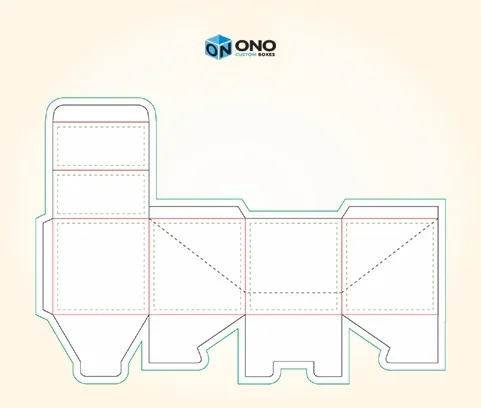
The cut line is the outline that marks where your custom packaging will be trimmed. It is typically represented by a solid black line in your artwork file.
The bleed line is the area extending beyond the cut line, usually marked with a green line in your artwork. Typically, a 1/8 inch (0.125") bleed is required to prevent any unwanted white borders.
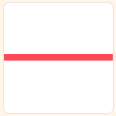
The crease line, marked by red lines in your artwork, indicates where the box will be folded during production.
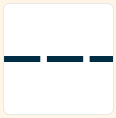
Perforation lines, shown as dotted black lines, indicate where the box will have small, evenly spaced holes for easy tearing or separation. These are often used for tear-away sections.
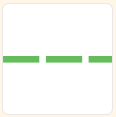
The safety margin, marked by dotted green lines, is the area around the cut line where important elements (such as text, logos, or graphics) should be kept clear.
Need Help with Ono Custom Boxes Consultant? We’re here! We offer a variety of packaging options, from sustainable choices to personalize packaging, all aimed at helping your product stand out. And with our fast turnaround, you can get started without the wait.




Ono Custom Boxes delivers innovative, durable, and affordable packaging tailored to meet your business needs and brand identity.
111-06 Farmers Boulevard, Rochdale Village, NY 11434
Copyright © 2026 Ono Custom Boxes. All Rights Reserved
WhatsApp us