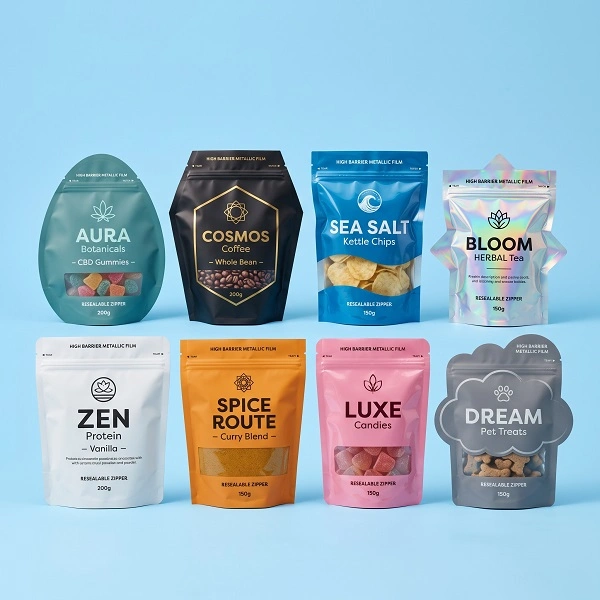
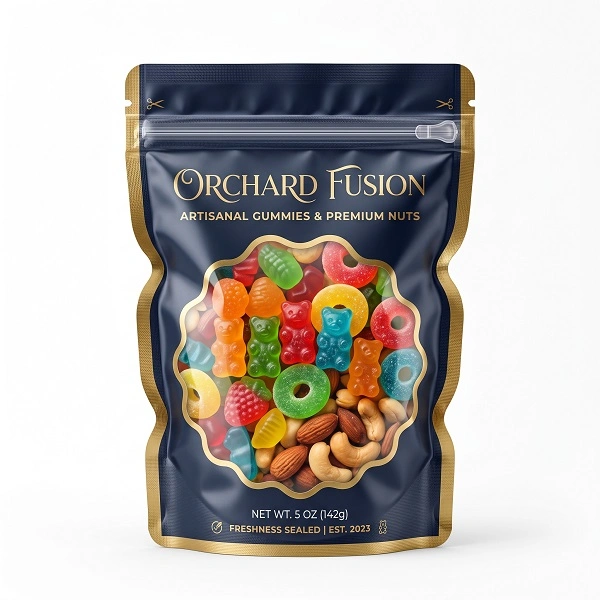
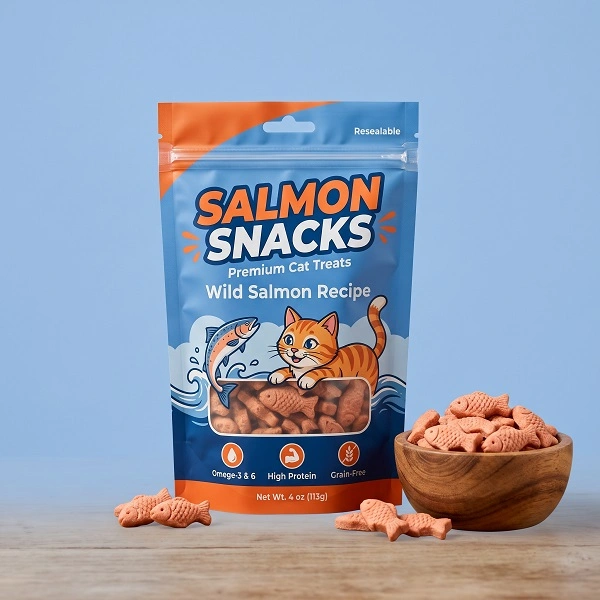
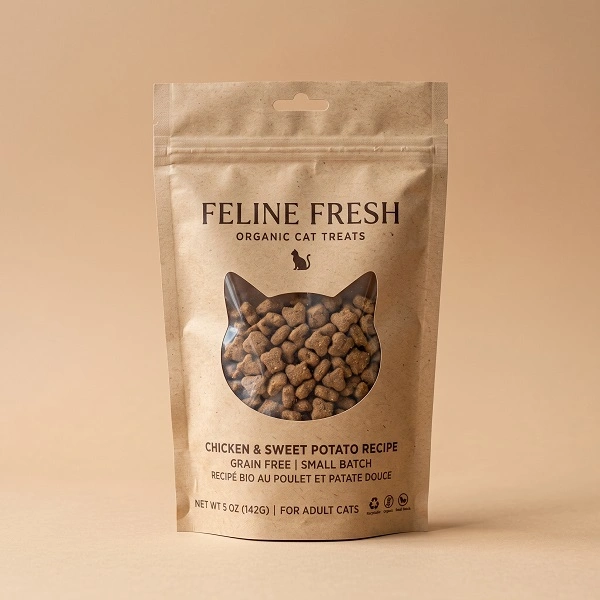
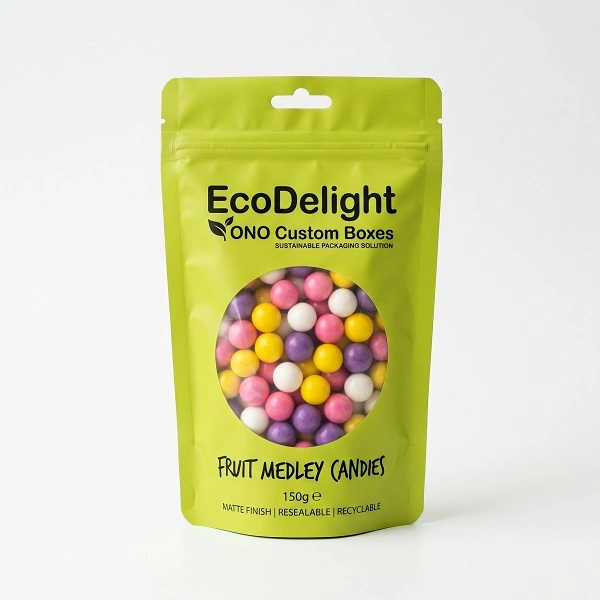
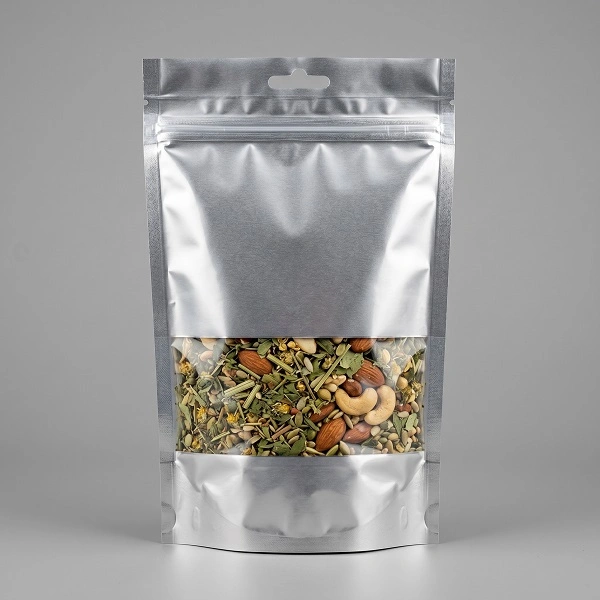
Wholesale food storage Mylar bags for food brands, roasters, freeze-dried suppliers, and private label companies. High-barrier foil pouches custom-printed to your dieline, with resealable closures and bulk liner options. Low minimums, fast turnaround, and free samples before you commit.
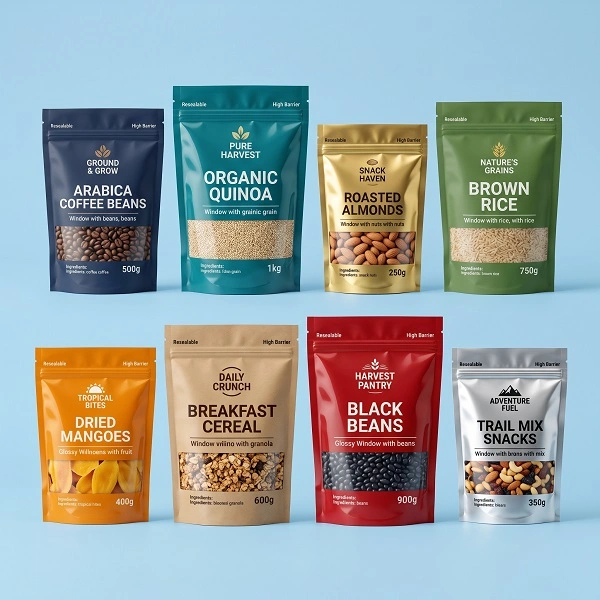
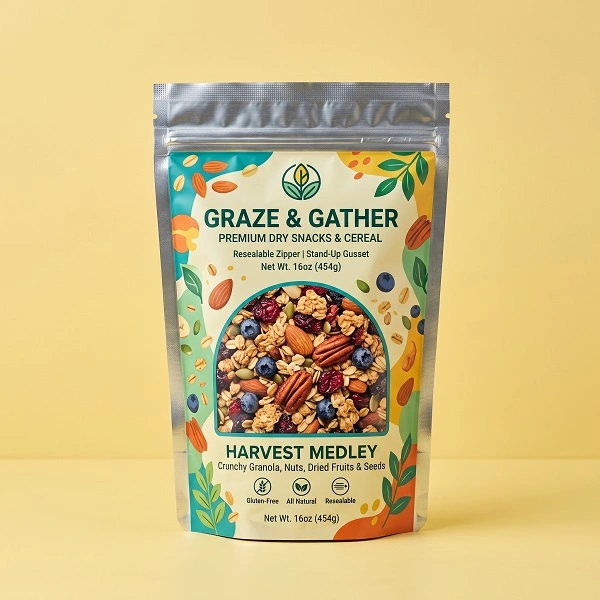



Get Your Custom Boxes Designed in Your Desired Shape, Size and Style

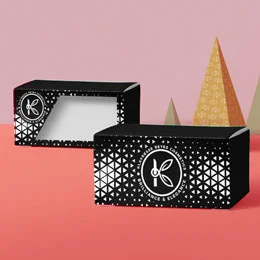
Get Your Custom Boxes Printed With Your Desired Artwork And Colors

Get Custom Boxes At Wholesale Prices. Low MOQs. No Die or Plate Charges
| Dimension (L + W + H) | All Custom Sizes & Shapes |
| Quantities | Low Minimum Order Required |
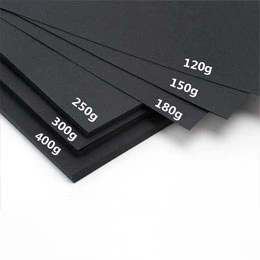
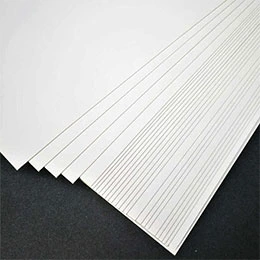
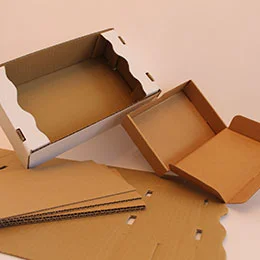
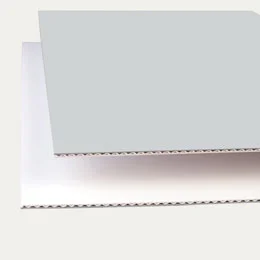
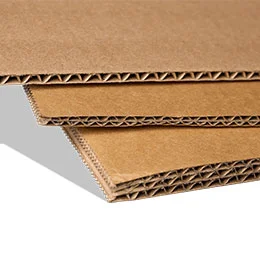
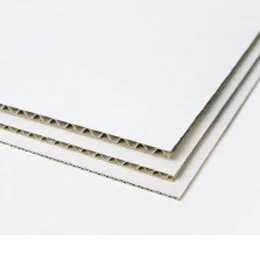
| Stock | 10pt to 28pt (60lb to 400lb) Eco-Friendly Kraft, E-flute Corrugated, Bux Board, Cardstock |
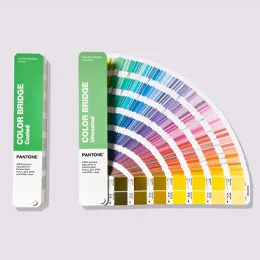
| Printing | No Printing, CMYK, CMYK + 1 PMS color, CMYK + 2 PMS colors |
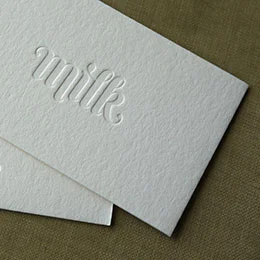
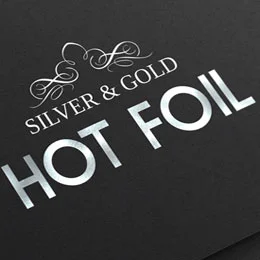
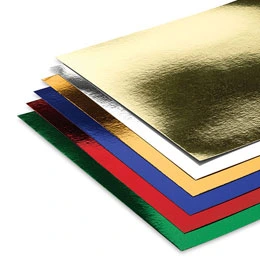
| Finishing | Gloss Lamination, Matte Lamination, Gloss AQ, Gloss UV, Matte UV, Spot UV, Embossing, Foiling |
| Included Options | Die Cutting, Gluing, Scoring, Perforation |
| Additional Options | Eco-Friendly, Recycled Boxes, Biodegradable |
| Proof | Flat View, 3D Mock-up, Physical Sampling (On request) |
| Turnaround | 8 – 12 Business Days, RUSH |
| Shipping | FREE USA |
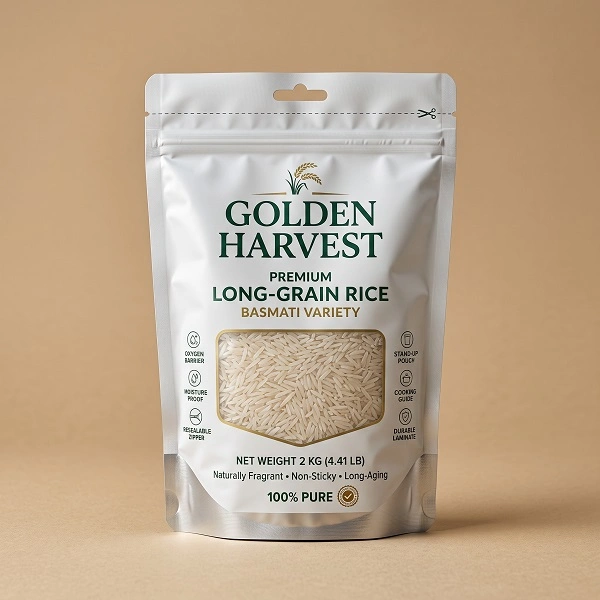
Food storage Mylar bags are multi-layer, foil-laminated pouches that block oxygen, moisture, light, and odor to keep dry foods stable for years. Built from PET/aluminum foil/food-grade polyethylene and paired with oxygen absorbers, custom food storage Mylar bags protect rice, grains, coffee, freeze-dried meals, and emergency rations while carrying your printed retail branding.
Most packaging failures in the dry food category don’t show up on the production floor. They show up eight months later, when a distributor returns a pallet of rancid freeze-dried strawberries, or a retailer flags clumped protein powder, or a customer photographs a pinholed seam and posts it.
By then the cause is usually the same: the brand bought a bag that looked like a barrier bag. It was shiny. It was labeled Mylar. It was 7 mil thick. But it was metallized polyester, not true foil laminate and it had been quietly leaking oxygen since the day it was sealed.
This is the single most expensive misunderstanding in the flexible food packaging market. Thickness is not barrier. A 9 mil metallized bag can transmit hundreds of times more oxygen than a 4.5 mil foil laminate. If your product’s shelf-life claim depends on the pouch, you need to be specifying the structure, not the mil count.
Food storage Mylar bags built to the right specification solve the problem outright and when they’re custom-printed, they solve your shelf presence at the same time.
“Mylar” is a brand name for biaxially-oriented PET film, and in the food packaging trade it’s become shorthand for a laminated barrier pouch. A genuine food-grade Mylar bag isn’t one material it’s a bonded sandwich, and each layer does a specific job:
Replace that foil ply with vacuum-deposited aluminum vapor (metallized PET) and you keep the silver appearance while losing most of the barrier. That’s the difference between a bag rated for a decade and a bag rated for a season.
Mylar bags for food storage are used two ways: as a primary retail pouch with printed branding and a resealable zipper, or as a bulk liner inside pails and cases for wholesale and emergency food programs. Both applications are custom-manufacturable.
Anyone can sell you a stock pouch. What protects a food brand is specification discipline.
We spec structures, not just sizes. Every quote starts with your product’s moisture content, fat content, fill weight, and target shelf life then we recommend the laminate. A 24-month coffee program and a 25-year emergency ration program are not the same bag, and we won’t sell them as one.
Food-contact compliance you can hand to an auditor. Food-grade sealant layers, documentation on request, and material declarations that hold up when a retailer or a private-label client runs a supplier review.
Print that survives the supply chain. Rotogravure for high-volume runs with tight color tolerance; digital for pilot batches, seasonal SKUs, and variant testing without plate costs.
Line compatibility built in. Pre-made pouches for hand-fill and semi-automatic operations, or rollstock engineered to your VFFS/HFFS machine’s web width, seal temperature window, and registration marks.
Flexible minimums. Startups running a first production batch and distributors ordering by the container are both quoted honestly. Confirm your exact MOQ and per-unit pricing with our team at quote stage.
We serve food brands across the United States nationwide, with domestic support on lead times, artwork, and reorders.
Structures are selected against shelf-life targets, not preference:
| Application | Typical structure | Working range |
|---|---|---|
| Retail dry goods, snacks | PET / MET-PET / PE | 6–18 months |
| Coffee, spices, powders | PET / AL / PE | 12–24 months |
| Freeze-dried meals, rice, grains | PET / AL / LLDPE, heavier gauge | 5–25 years with OA |
| Bulk pail liners, emergency rations | PET / AL / nylon / LLDPE | 20+ years with OA |
Thickness commonly runs 3.5 to 7.5 mil for pouches and heavier for gusseted bulk liners but always as a consequence of the structure, never as a substitute for it.
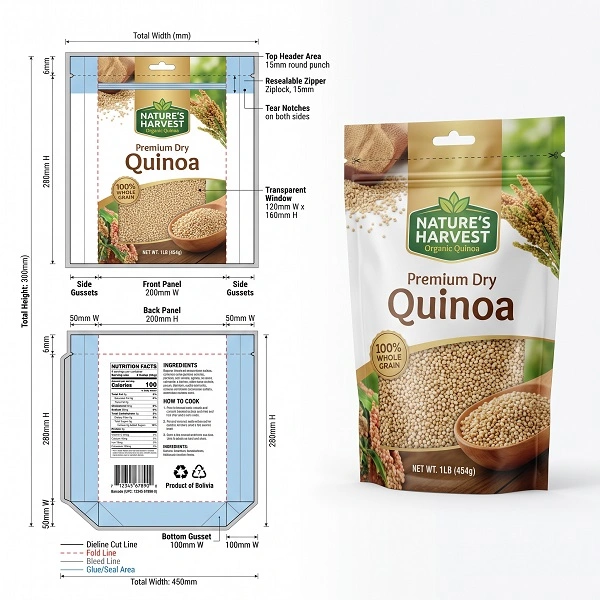
Stand-up pouches with K-seal or doypack bottoms, flat three-side seals for sample and single-serve, gusseted bags for high-volume rice and grain storage, quart and gallon-equivalent bulk liners, and rollstock for automated lines.
Press-to-close zippers, child-resistant zippers, tear notches, laser scoring, hang holes, tin ties, one-way degassing valves for coffee, and spouts for liquid-adjacent formats. Note a real trade-off here: a degassing valve and a decades-long oxygen-absorber seal are mutually exclusive. Roasted coffee needs to off-gas CO₂; long-term storage needs a hermetic seal. Pick the format that matches how the product will actually be consumed.
Absorbers are sized by headspace, not by bag size, and we’ll spec them alongside the pouch:
Critical prerequisite: oxygen absorbers only work on foods under roughly 10% moisture content. Oily, high-fat, or moist products need a different preservation strategy modified atmosphere, nitrogen flush, or reduced shelf-life targets. We’ll tell you that before you order, not after.
Up to 10-color rotogravure or digital print, matte, gloss, soft-touch, or spot-matte finishes, metallic and clear windows where barrier allows, and recyclable mono-material PE structures for brands under retailer sustainability mandates.
Shelf life you can actually put in writing. A verified foil structure supports the claim on your label and defends it if challenged.
Lower freight and storage cost. Flexible pouches ship flat and store flat. Against rigid containers, brands routinely see meaningful reductions in inbound freight and warehouse footprint per unit of product.
Pest and rodent exclusion. Sealed foil laminate denies insect ingress that plagues bagged and boxed dry goods in warehouse and long-term storage environments.
Retail shelf presence. Stand-up pouches with full-bleed print compete visually against category leaders in a way that unbranded bulk bags simply cannot.
Reduced returns and complaint volume. Barrier failures generate the most expensive kind of customer contact. Correct specification removes the root cause.
Scalability without requalification. Start with digital pilot runs, move to gravure at volume, keep the same structure your product’s stability data stays valid.
How long do food storage Mylar bags actually keep food fresh?
With a true foil laminate, a correctly sized oxygen absorber, a dry product under 10% moisture, and cool stable storage, staples like white rice, beans, and rolled oats commonly hold 20–30 years. Higher-fat products, packed identically, may top out at 2–5 years because fat oxidation is not fully oxygen-dependent.
Is a thicker bag always a better bag?
No. Thickness measures puncture and handling durability; barrier is a function of the foil ply. A 4.5 mil foil laminate outperforms a 9 mil metallized bag on oxygen transmission by orders of magnitude. Specify structure first, gauge second.
Do I need oxygen absorbers with food grade Mylar bags?
For anything beyond about a year, yes. The bag prevents new oxygen entering; the absorber removes what was sealed in with your product. Together they create the low-oxygen environment. Alone, neither does.
Can I get resealable Mylar food bags for long-term storage?
Yes but understand the design. The zipper is for in-use convenience after opening; a heat seal above the zipper track provides the hermetic long-term barrier. Consumers open the seal, then use the zipper. Both are manufacturable on the same pouch.
What’s the minimum order quantity and how is pricing structured?
MOQs vary by structure, format, and print method digital runs start far lower than gravure. Pricing scales meaningfully with volume, so we quote across tiers so you can see the break points before committing. Request a quote for figures against your specification.
How long does production take?
Typical timelines run from artwork approval through digital proof, physical sample approval, and production. Digital print runs move faster than gravure, which carries plate preparation time. We confirm a firm date at order confirmation and hold it.
Are these bags FDA compliant for direct food contact?
Our food-contact sealant layers are food-grade, and material documentation is available on request for retailer audits, private-label agreements, and internal quality files.
Your packaging either protects your shelf-life claim or quietly undermines it. There’s no middle ground, and the difference is decided at specification, long before the first pallet ships.
Send us your product details what it is, how much moisture and fat it carries, how much goes in each pouch, and how long it needs to last. You’ll get a structure recommendation with reasoning behind it, transparent tiered pricing, and a printed sample in hand before you commit to a full run.
At Ono Custom Boxes, our Artwork Preparation Guide helps ensure your custom packaging design is print-ready for high-quality results. To get started, submit vector files (AI, EPS, or PDF) in CMYK color mode, with a 1/8 inch bleed and 300 DPI resolution. Convert all text to outlines and keep it at least 1/4 inch from the edges. Review your proof to ensure accuracy before submitting. Following these steps will guarantee your design is perfectly printed on your custom boxes.
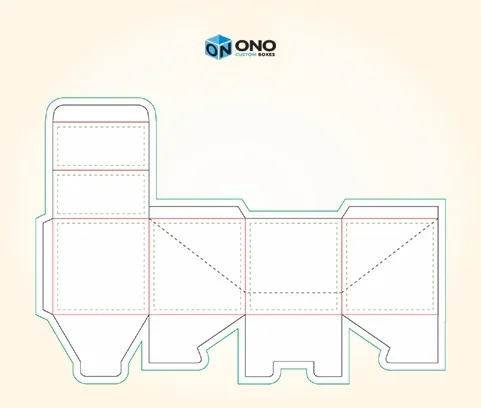

The cut line is the outline that marks where your custom packaging will be trimmed. It is typically represented by a solid black line in your artwork file.

The bleed line is the area extending beyond the cut line, usually marked with a green line in your artwork. Typically, a 1/8 inch (0.125") bleed is required to prevent any unwanted white borders.

The crease line, marked by red lines in your artwork, indicates where the box will be folded during production.

Perforation lines, shown as dotted black lines, indicate where the box will have small, evenly spaced holes for easy tearing or separation. These are often used for tear-away sections.

The safety margin, marked by dotted green lines, is the area around the cut line where important elements (such as text, logos, or graphics) should be kept clear.
Need Help with Ono Custom Boxes Consultant? We’re here! We offer a variety of packaging options, from sustainable choices to personalize packaging, all aimed at helping your product stand out. And with our fast turnaround, you can get started without the wait.
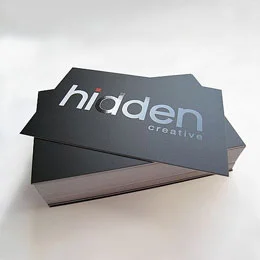
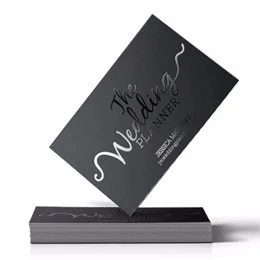
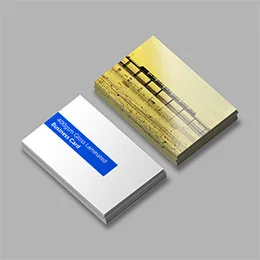
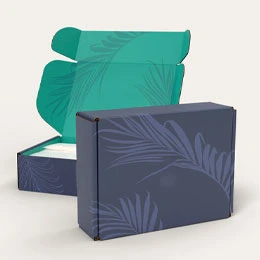
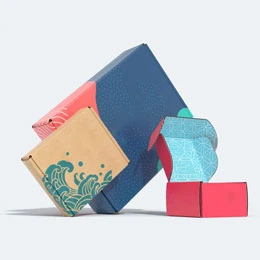
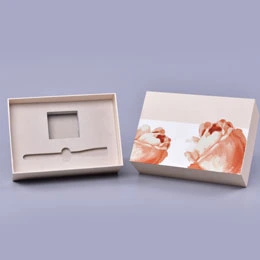
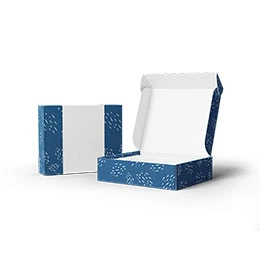
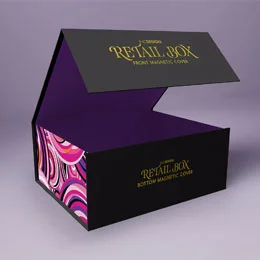
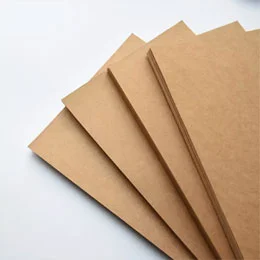
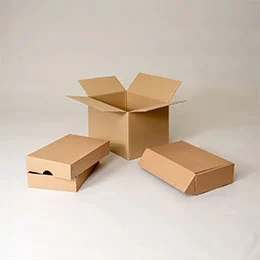
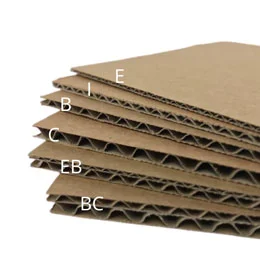




Ono Custom Boxes delivers innovative, durable, and affordable packaging tailored to meet your business needs and brand identity.
111-06 Farmers Boulevard, Rochdale Village, NY 11434
Copyright © 2026 Ono Custom Boxes. All Rights Reserved
WhatsApp us