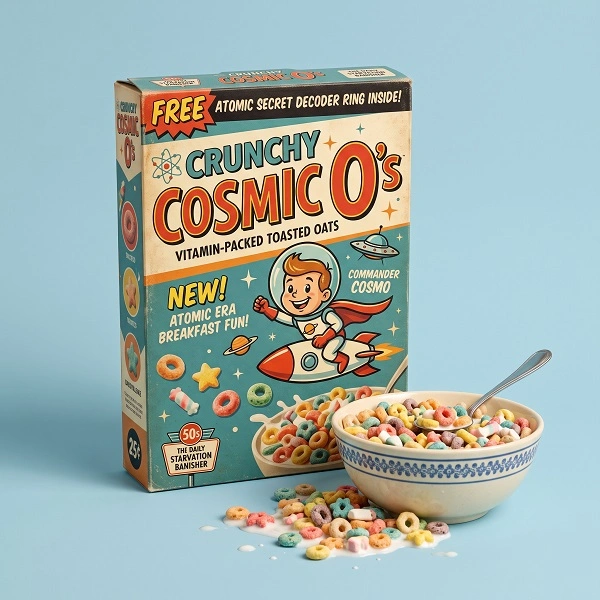
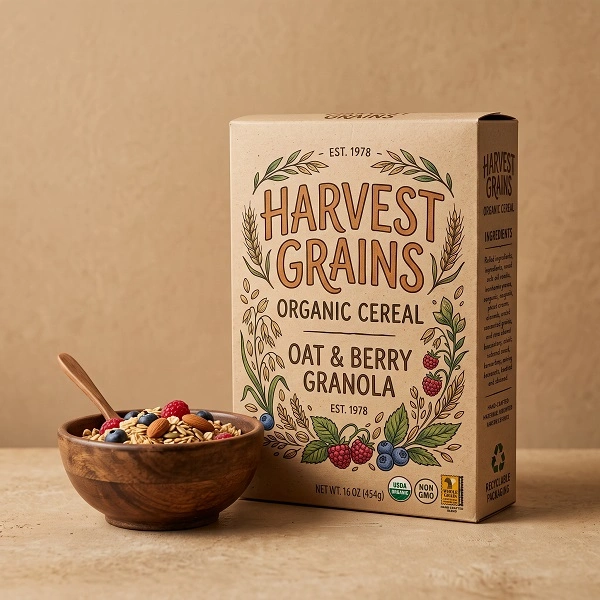
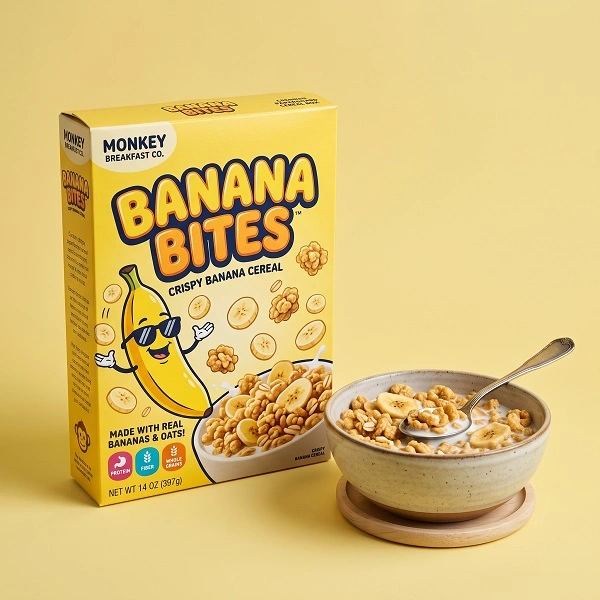
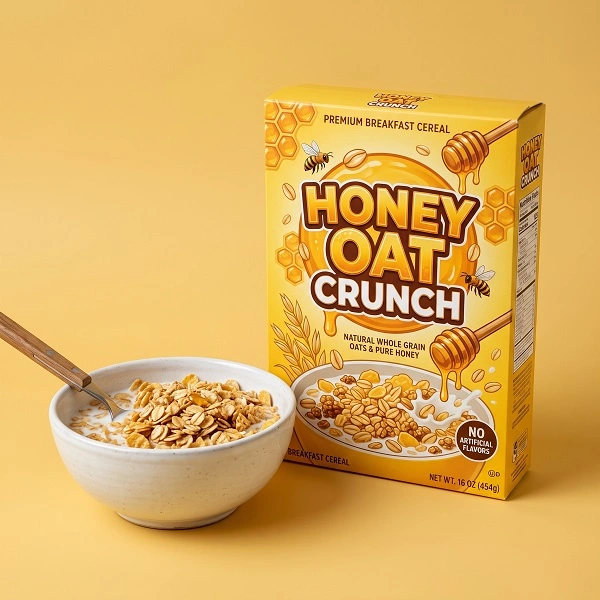
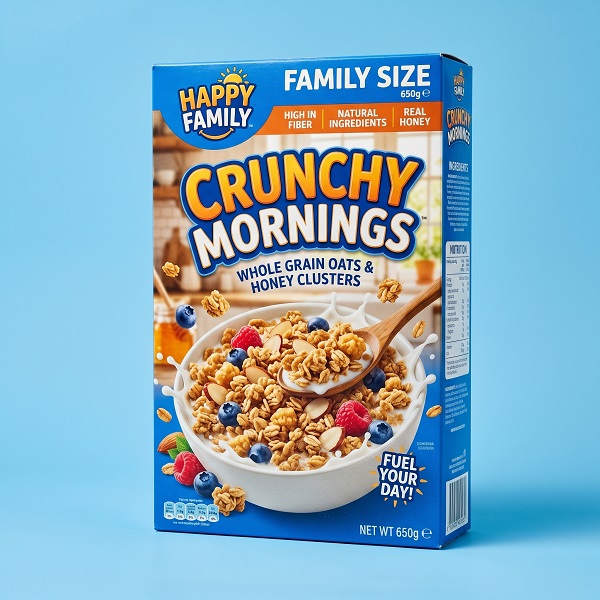
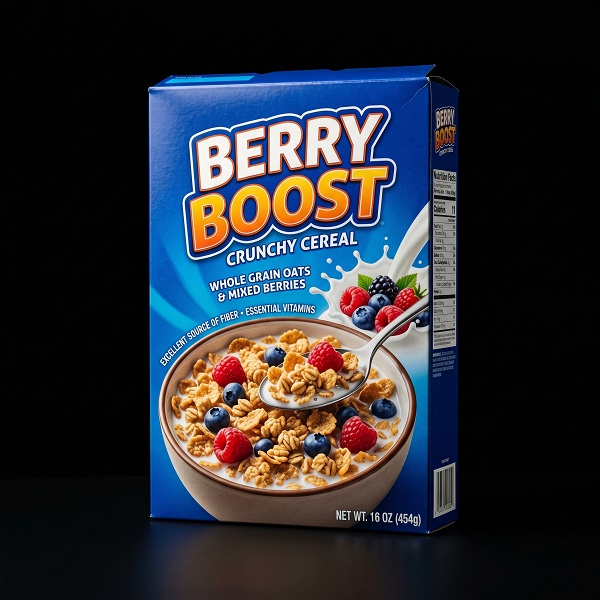
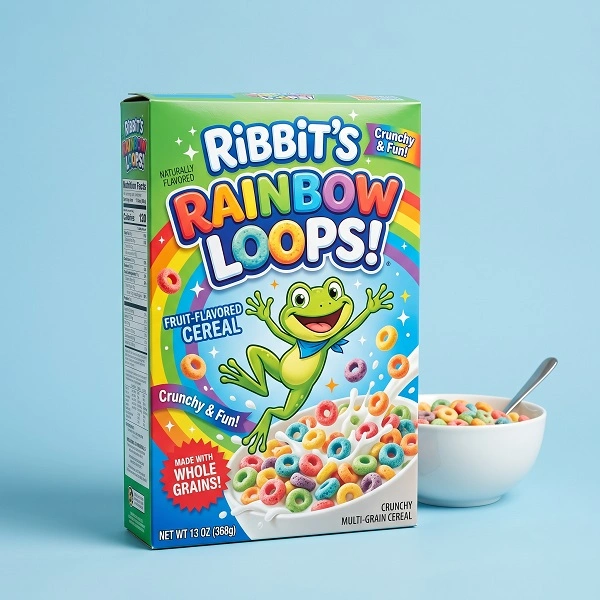
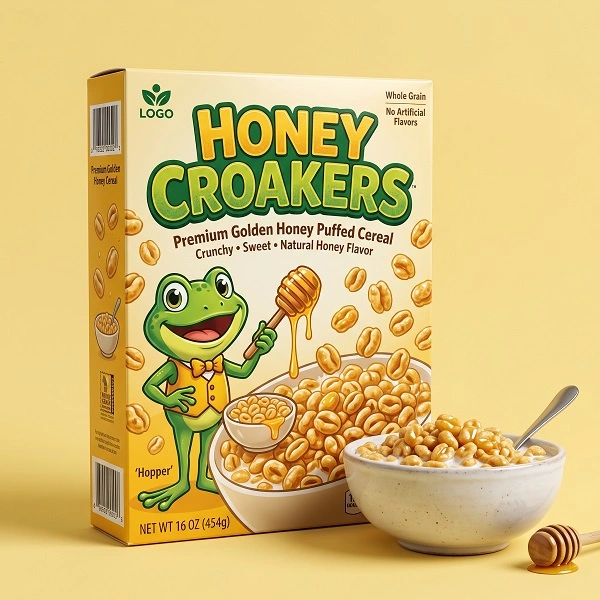
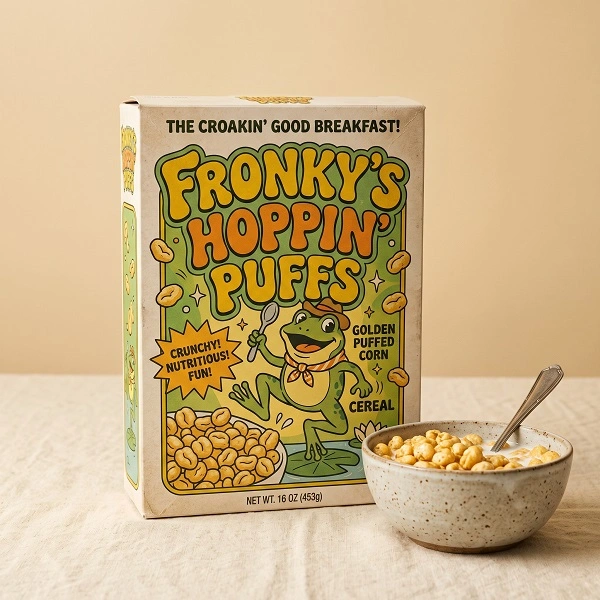
Custom frog cereal boxes printed on food-grade SBS or kraft paperboard with original mascot artwork. Choose gloss, matte, or spot UV finishes, resealable liners, and retail-ready panel layouts. Low minimums, wholesale pricing, and fast nationwide USA delivery on every order.


Get Your Custom Boxes Designed in Your Desired Shape, Size and Style

Get Your Custom Boxes Printed With Your Desired Artwork And Colors

Get Custom Boxes At Wholesale Prices. Low MOQs. No Die or Plate Charges
| Dimension (L + W + H) | All Custom Sizes & Shapes |
| Quantities | Low Minimum Order Required |
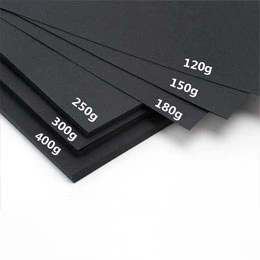
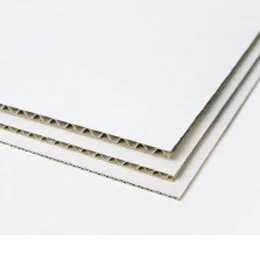
| Stock | 10pt to 28pt (60lb to 400lb) Eco-Friendly Kraft, E-flute Corrugated, Bux Board, Cardstock |
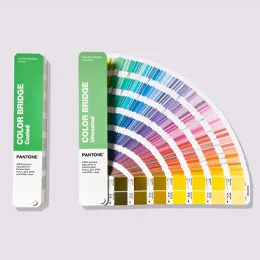
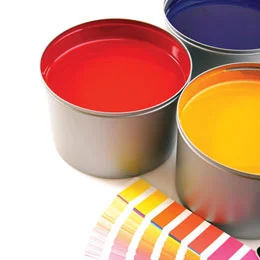
| Printing | No Printing, CMYK, CMYK + 1 PMS color, CMYK + 2 PMS colors |
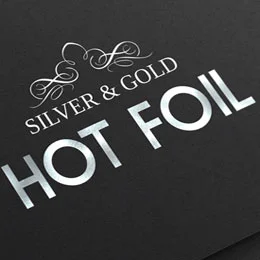
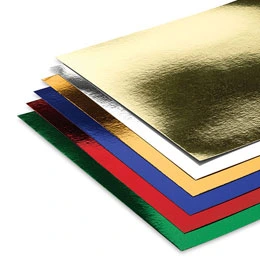
| Finishing | Gloss Lamination, Matte Lamination, Gloss AQ, Gloss UV, Matte UV, Spot UV, Embossing, Foiling |
| Included Options | Die Cutting, Gluing, Scoring, Perforation |
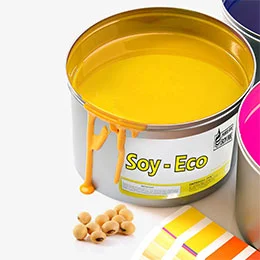
| Additional Options | Eco-Friendly, Recycled Boxes, Biodegradable |
| Proof | Flat View, 3D Mock-up, Physical Sampling (On request) |
| Turnaround | 8 – 12 Business Days, RUSH |
| Shipping | FREE USA |
The classic cereal with a frog on the box is Kellogg’s Honey Smacks, whose mascot Dig’em Frog has appeared on packaging since 1972. Today, food brands commission custom frog cereal boxes with original characters printed on food-grade paperboard in full color, at wholesale volumes, for retail and e-commerce shelves.
Search “cereal with frog on box” and most people are chasing a memory. But the reason that memory persists is worth studying if you sell breakfast food: a single amphibian mascot outlived four decades of package redesigns, recipe changes, and shifting nutrition standards. That is brand equity built almost entirely through packaging.
The problem for anyone launching a cereal today is that shelf space is brutal. A new SKU sits beside legacy brands with hundred-million-dollar ad budgets, and the buyer has roughly three seconds to decide. Generic stock packaging loses that fight every time. So does a beautiful design printed badly muddy color, weak scoring that cracks on the fold, board too thin to survive a pallet drop.
Custom frog-themed cereal packaging solves both halves of that problem: a character that reads instantly as friendly and kid-safe, executed on structural packaging that actually holds up through distribution. The section below covers how that gets made.
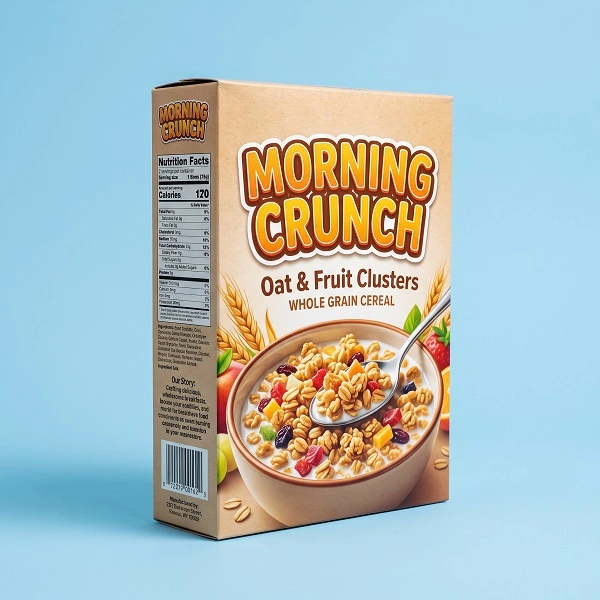
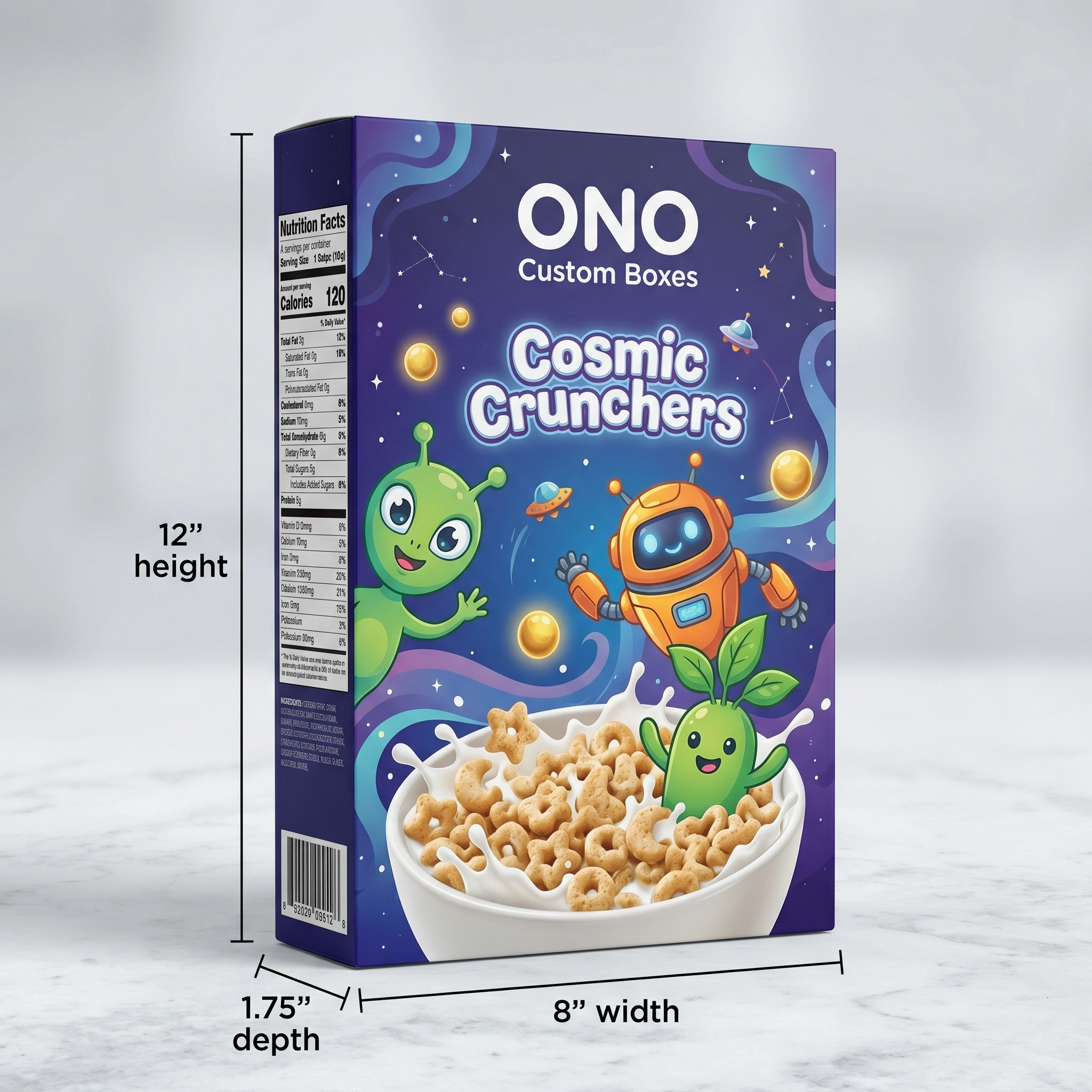
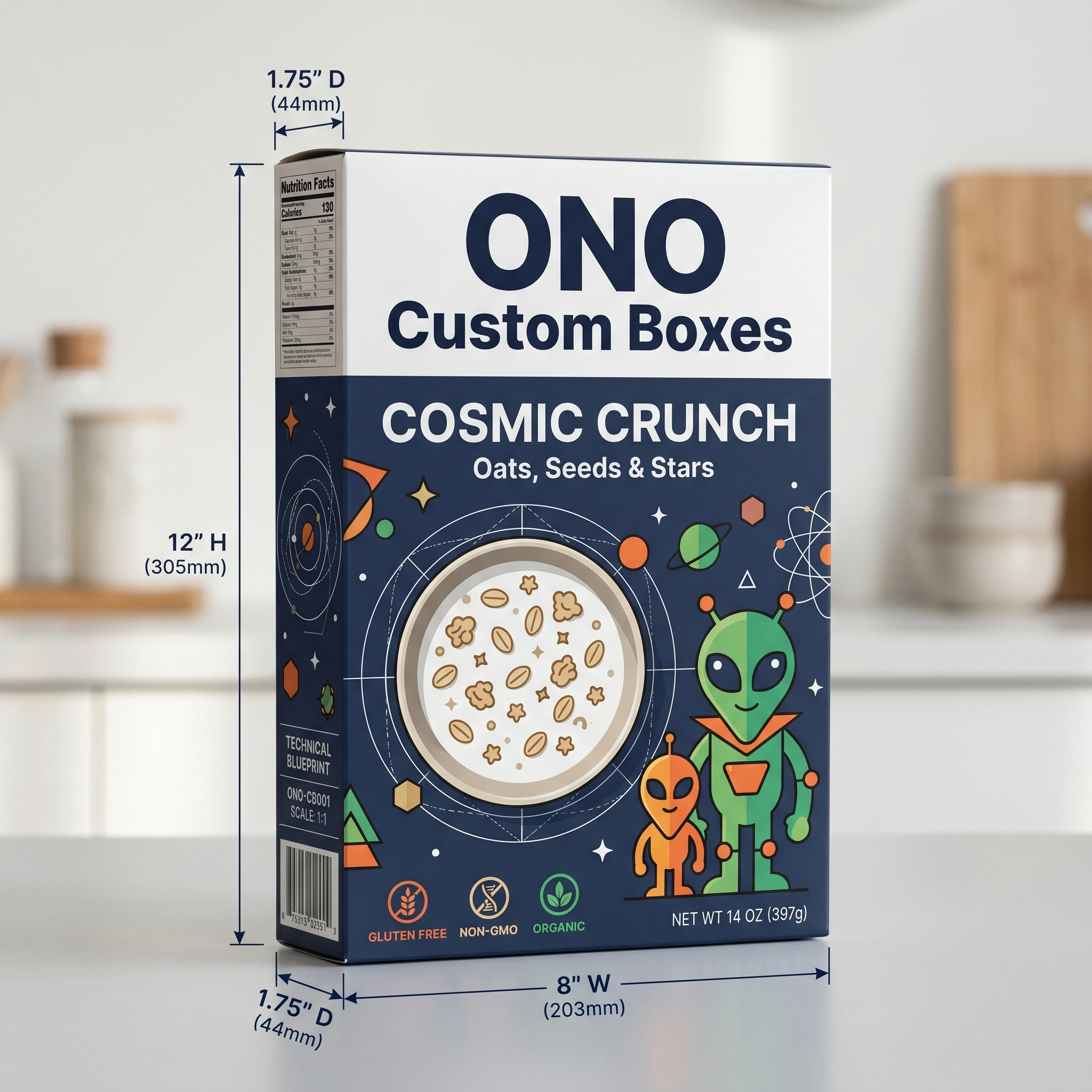
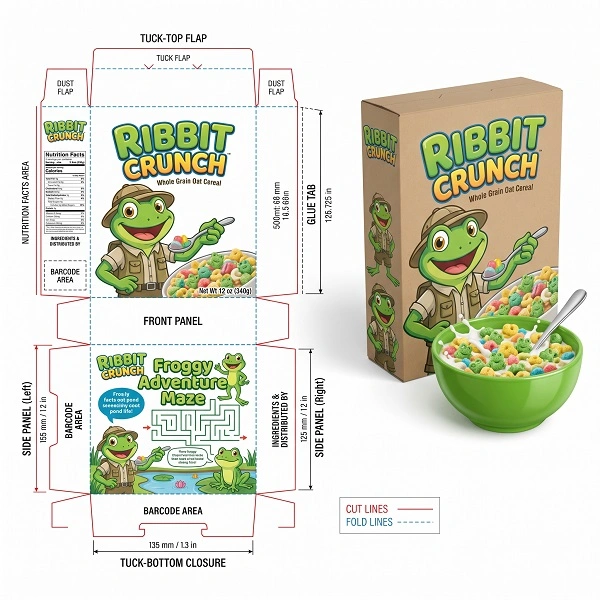
A cereal box is a folding carton usually a straight-tuck or reverse-tuck end style printed, die-cut, and glued from a single flat sheet of paperboard. “Custom” means every variable in that sequence is yours to specify.
That includes board grade and caliper, the dieline and its finished dimensions, the print method, color build, coating, and any structural extras like a resealable liner or an integrated bowl insert. For a frog cereal box specifically, it also means original character artwork: a mascot developed for your brand, not a licensed or borrowed one.
That distinction matters legally. Existing cereal mascots are protected trademarks, and a “close enough” imitation invites a cease-and-desist that can wipe out an entire print run. Every frog character produced here is drawn from scratch your frog, your IP, cleared for retail and registrable as a mark of your own.
Food-contact compliance as standard. Cereal boxes hold food. Boards are FDA-compliant and food-grade; inks are low-migration and safe for indirect food contact. Documentation is available for retail buyer submissions and third-party audits.
Press proofs before the full run. You approve a physical printed sample not a screen render before we commit the run. Screen color and press color are different animals, and mascot artwork lives or dies on skin-tone consistency. A frog that shifts from spring green to olive between print runs undermines the shelf recognition you paid to build.
In-house design and structural engineering. Character illustration, dieline construction, and prepress happen under one roof, so nothing gets lost in the handoff between an outside illustrator and a printer who has never seen the file.
Accessible minimums with real scaling. Startups can test a market with a short run and reorder at volume once the SKU proves out, on the same dielines and color standards so the box on shelf in month one matches the box on shelf in year two.
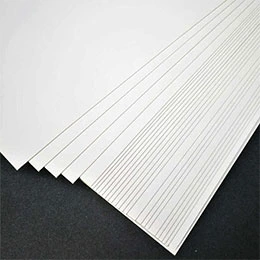
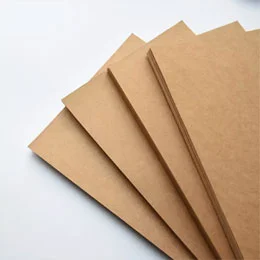
Board stock. SBS (solid bleached sulfate) is the retail default bright white surface, excellent print fidelity, ideal for the saturated greens and character detail that frog packaging demands. Kraft board suits organic and clean-label positioning where an uncoated, earthy look supports the brand story. Caliper is typically specified in the 16pt–24pt range depending on box size and fill weight.
Printing. Offset lithography for volume runs delivers the sharpest character linework and the most stable color. Digital printing serves short runs, variant testing, and seasonal editions economically. CMYK covers most artwork; Pantone spot colors lock in a signature brand green across every reorder.
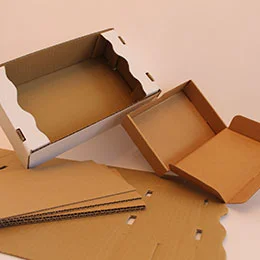
Sizes and styles. Family-size, single-serve, and sample/trial sizes, in straight-tuck end, reverse-tuck end, or seal-end styles. Tuck styles ship flat and assemble by hand or machine; seal-end runs suit automated filling lines.
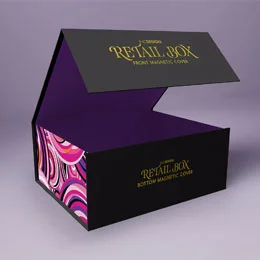
Finishing. Gloss lamination for a vivid, wipe-clean retail finish. Matte for a premium, organic-shelf feel. Spot UV to make a mascot’s eyes or a logo catch light. Soft-touch coating for artisan and gift-tier products. Embossing and foil stamping for limited or collector editions.
Structural add-ons. Resealable inner liners for freshness, window cut-outs with food-safe film, and hang-tab or display-ready configurations for club and convenience channels.
Barcode and regulatory layout. UPC placement, nutrition facts panel, allergen declarations, and net weight statements are laid out to retail-buyer specification at the prepress stage, not bolted on afterward.
Shelf recall. Character packaging is how kids identify a cereal before they can read a wordmark, and how parents locate a repeat purchase in a crowded aisle. A frog mascot is unusually well-positioned here green reads as natural, frogs read as friendly and non-threatening, and the visual space is far less crowded than the tiger-toucan-rabbit tier.
Owned intellectual property. An original mascot appreciates. It carries into merchandise, licensing, social content, and cross-promotions in a way that a stock illustration never can.
Reduced damage in transit. Correct board caliper and scoring mean fewer crushed cartons arriving at the DC a cost most new brands only discover after their first rejected pallet.
Retailer readiness. Boxes built to spec with compliant panels and correct barcode placement clear buyer review faster.
Margin control at volume. Per-unit cost drops meaningfully at scale, and consistent dielines mean reorders don’t repeat setup charges.
Cereal brands and breakfast food companies launching or refreshing a SKU. Kids’ food brands that need character-led packaging with defensible IP. Organic and clean-label producers wanting kraft or recycled board with a mascot that signals natural sourcing. Private label manufacturers and co-packers producing under retailer brands. Artisan and small-batch granola makers testing farmers’ markets and DTC. Retailers and supermarkets developing own-brand breakfast lines. E-commerce stores needing subscription-box-friendly cartons. Wholesale distributors sourcing packaging on behalf of multiple food clients.
What cereal has a frog on the box?
Kellogg’s Honey Smacks sold as Sugar Smacks for much of its history features Dig’em Frog, introduced in 1972. Various regional and store-brand cereals have used frog characters since, and custom frog mascots are increasingly common on organic and kids’ cereal lines.
Can I use a frog character that looks like an existing cereal mascot?
No. Established mascots are protected trademarks, and visual similarity is enough to trigger infringement claims. We develop original characters that belong to you outright.
What’s the minimum order for custom frog cereal boxes?
We support low minimums for market testing and scale to full wholesale volumes. Exact minimums depend on box size, print method, and finish digital printing accommodates shorter runs than offset.
Are the boxes food-safe?
Yes. Food-grade paperboard and low-migration inks are standard, with compliance documentation available on request.
How long does production take?
Timelines vary with artwork complexity, run size, and finishing. Character development adds time up front; once artwork is approved, production follows a predictable schedule. We confirm dates at quotation.
Can you print eco-friendly frog cereal packaging?
Yes recycled and FSC-certified board, soy-based inks, and recyclable coatings are all available, which pairs naturally with a frog mascot’s environmental associations.
Do you offer design help if I don’t have artwork?
Yes. Full character illustration, dieline construction, and panel layout are handled in-house.
Your mascot should be working for you on shelf, not sitting in a folder waiting for a printer who can execute it properly. Send us your product dimensions, target volume, and any concept sketches you have we’ll come back with board recommendations, a dieline, and pricing at your volume tier.
Request a free quote and a physical sample pack today.
At Ono Custom Boxes, our Artwork Preparation Guide helps ensure your custom packaging design is print-ready for high-quality results. To get started, submit vector files (AI, EPS, or PDF) in CMYK color mode, with a 1/8 inch bleed and 300 DPI resolution. Convert all text to outlines and keep it at least 1/4 inch from the edges. Review your proof to ensure accuracy before submitting. Following these steps will guarantee your design is perfectly printed on your custom boxes.
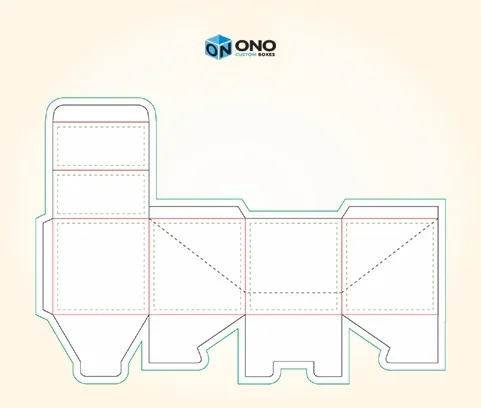
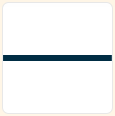
The cut line is the outline that marks where your custom packaging will be trimmed. It is typically represented by a solid black line in your artwork file.
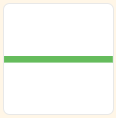
The bleed line is the area extending beyond the cut line, usually marked with a green line in your artwork. Typically, a 1/8 inch (0.125") bleed is required to prevent any unwanted white borders.
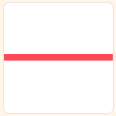
The crease line, marked by red lines in your artwork, indicates where the box will be folded during production.
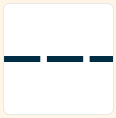
Perforation lines, shown as dotted black lines, indicate where the box will have small, evenly spaced holes for easy tearing or separation. These are often used for tear-away sections.
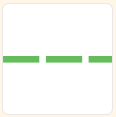
The safety margin, marked by dotted green lines, is the area around the cut line where important elements (such as text, logos, or graphics) should be kept clear.
Need Help with Ono Custom Boxes Consultant? We’re here! We offer a variety of packaging options, from sustainable choices to personalize packaging, all aimed at helping your product stand out. And with our fast turnaround, you can get started without the wait.




Ono Custom Boxes delivers innovative, durable, and affordable packaging tailored to meet your business needs and brand identity.
111-06 Farmers Boulevard, Rochdale Village, NY 11434
Copyright © 2026 Ono Custom Boxes. All Rights Reserved
WhatsApp us