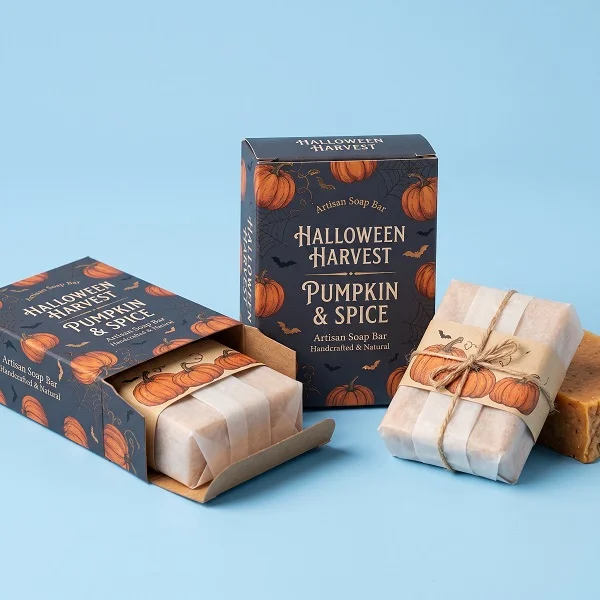
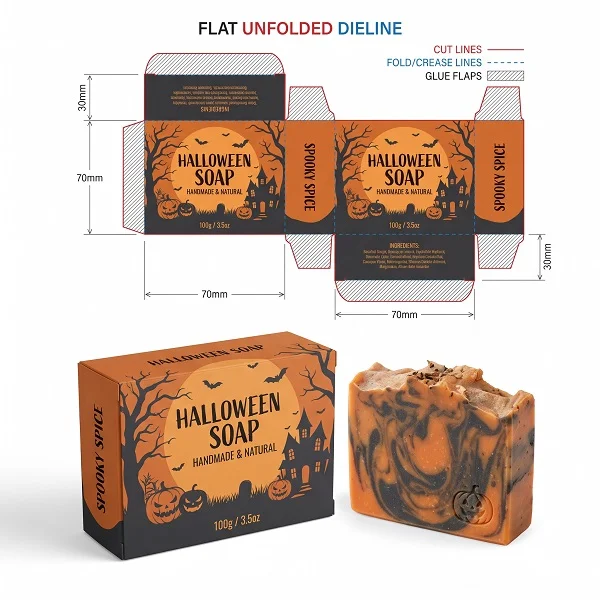
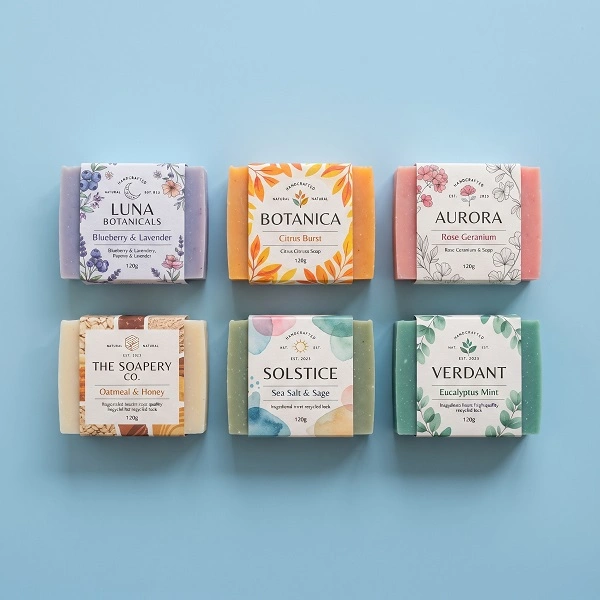
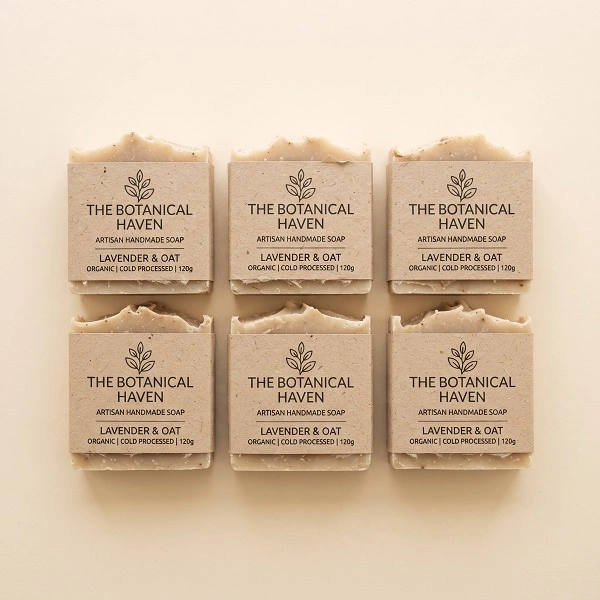
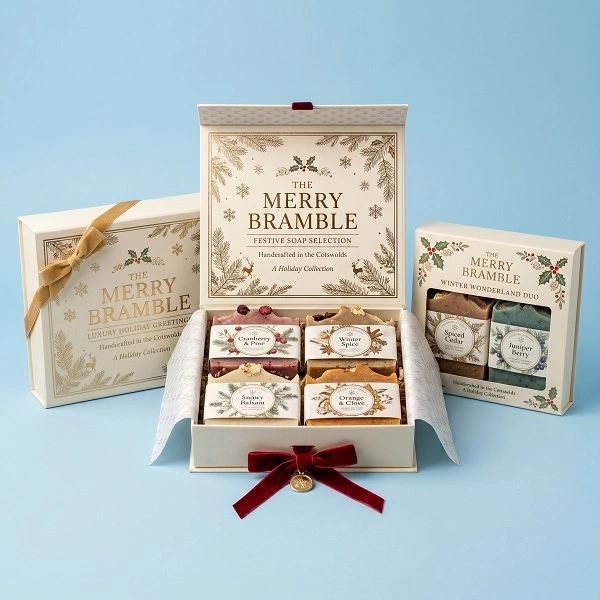
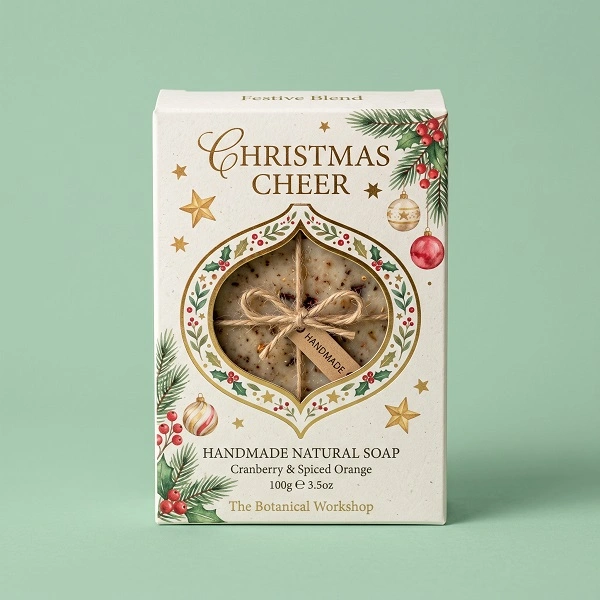
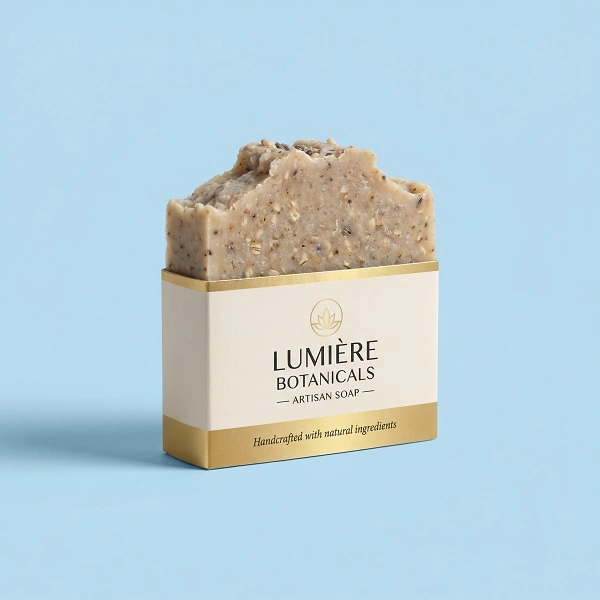
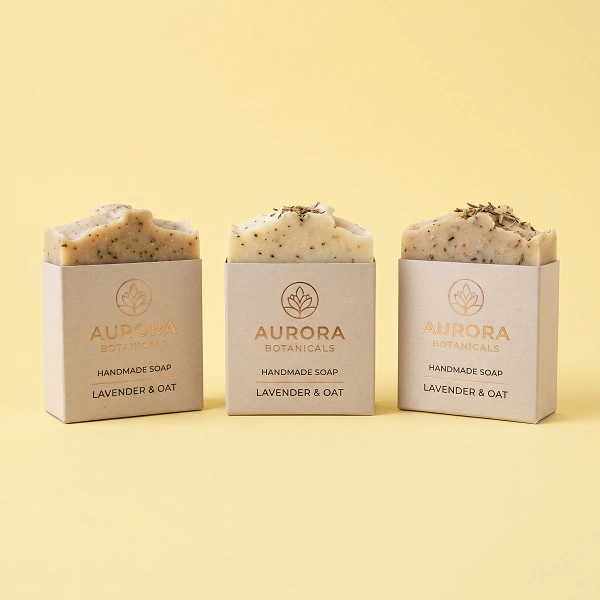
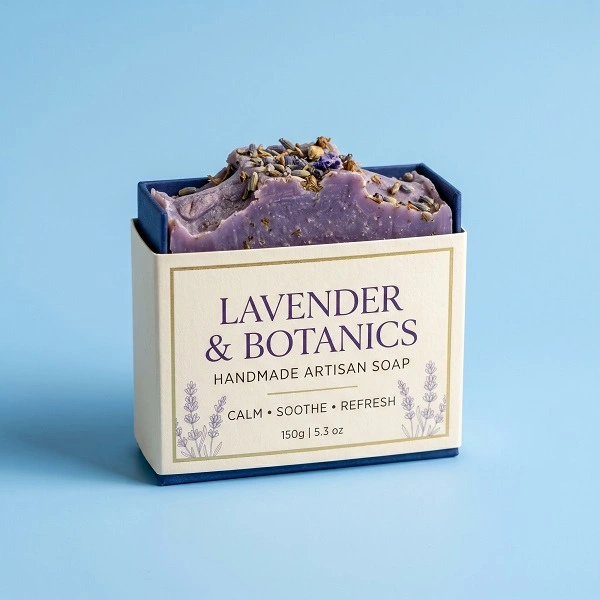
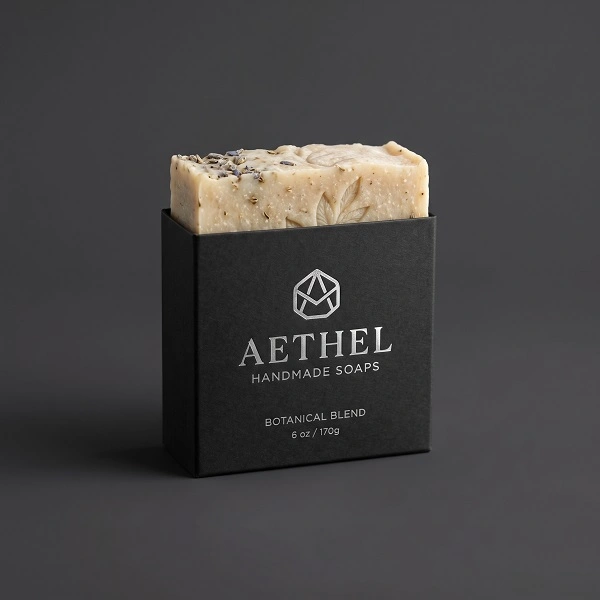
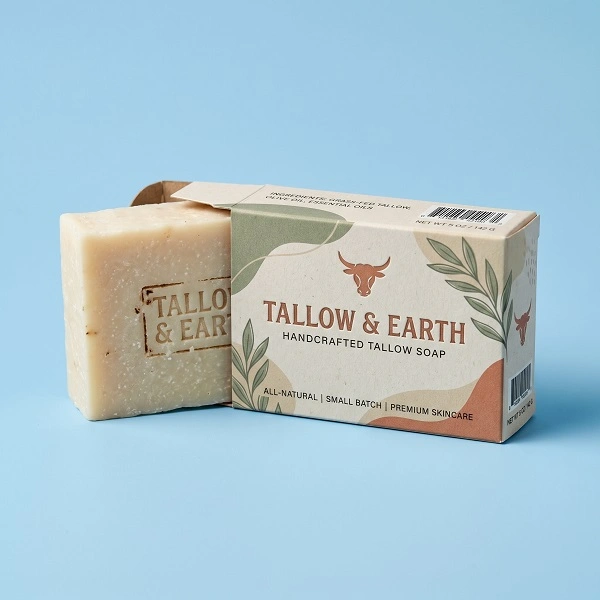
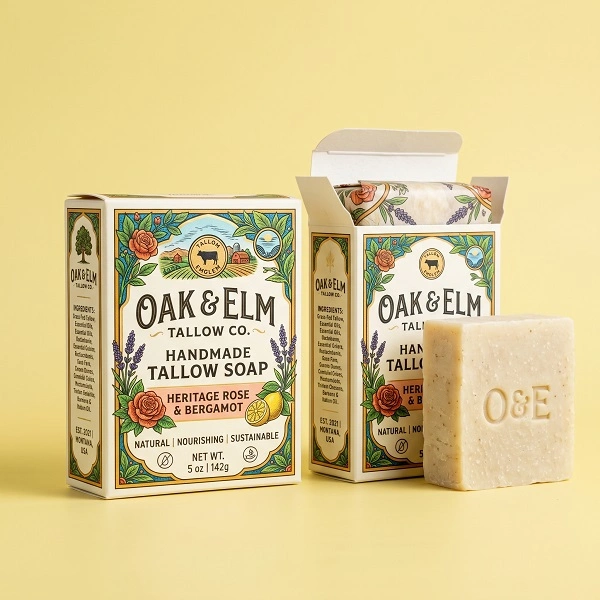
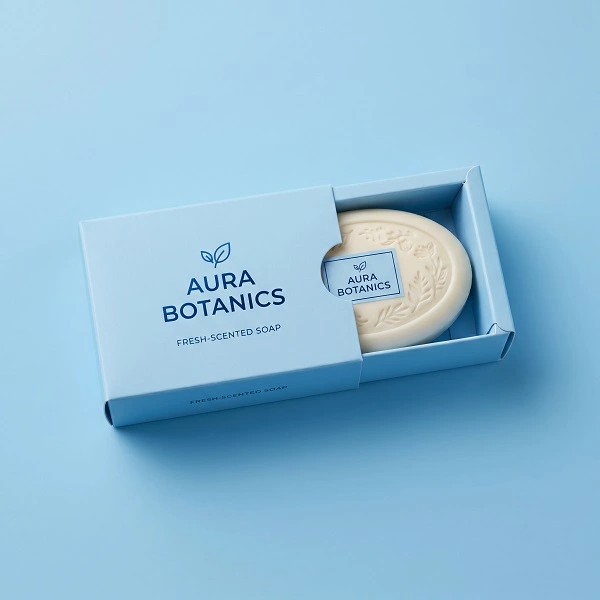
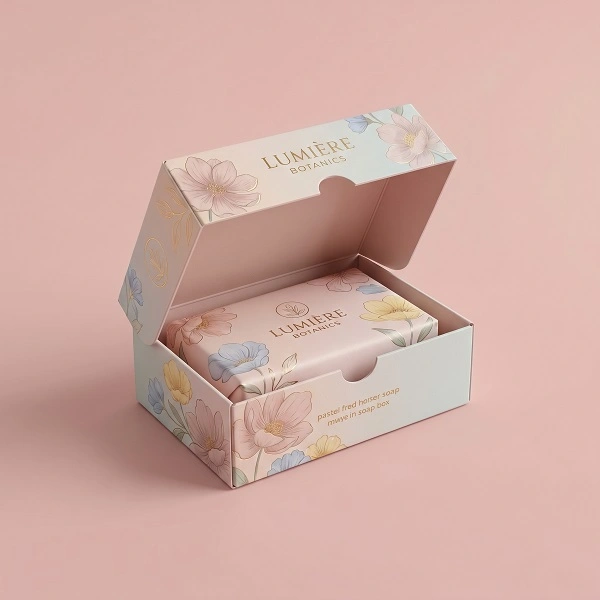
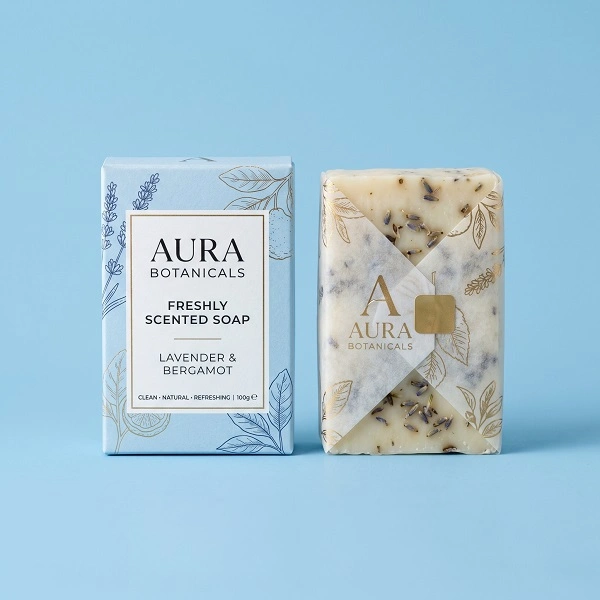
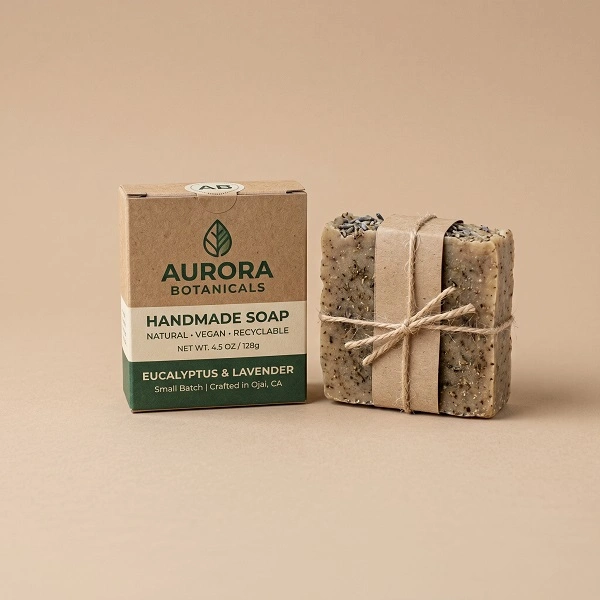
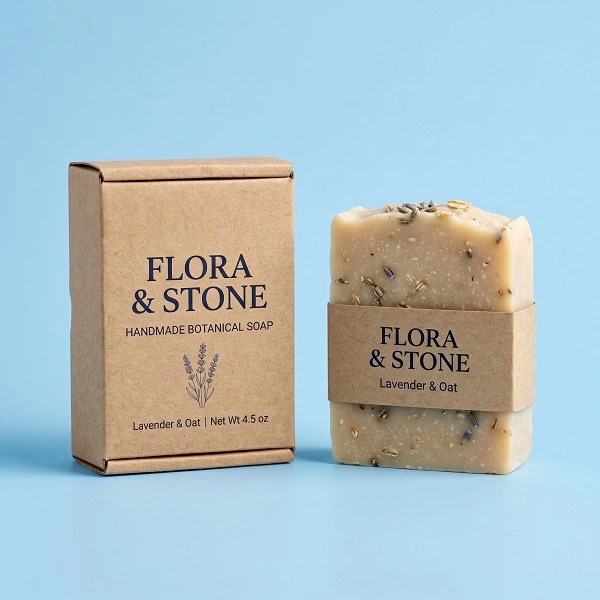
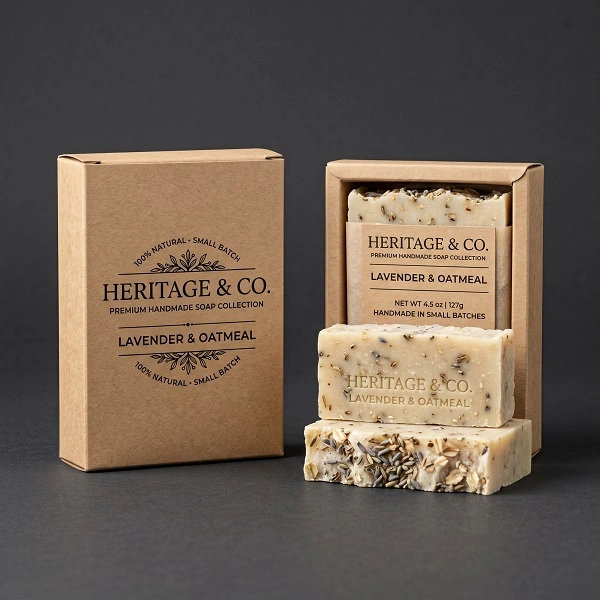
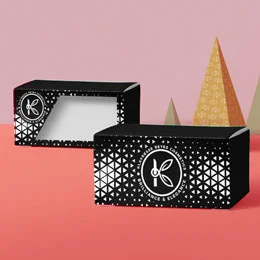
Custom bath bomb boxes made to your exact product size. Choose 14pt–18pt SBS, kraft, or rigid board with window patching, foil stamping, or soft-touch finish. Die-cut inserts hold spheres securely. Low minimums from 100 units, free dieline and physical sample.




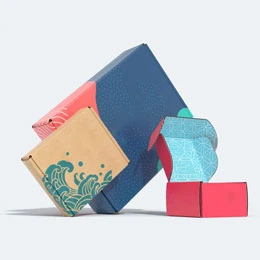
Get Your Custom Boxes Designed in Your Desired Shape, Size and Style

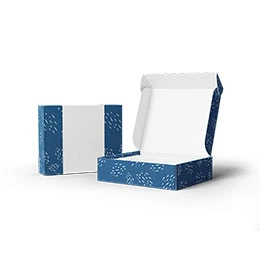
Get Your Custom Boxes Printed With Your Desired Artwork And Colors

Get Custom Boxes At Wholesale Prices. Low MOQs. No Die or Plate Charges
| Dimension (L + W + H) | All Custom Sizes & Shapes |
| Quantities | Low Minimum Order Required |
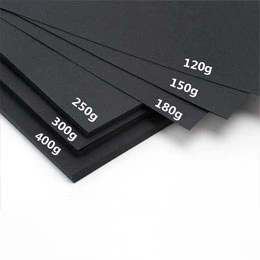
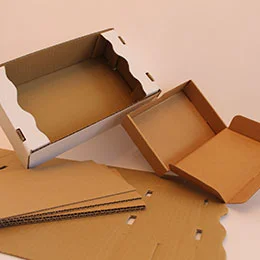
| Stock | 10pt to 28pt (60lb to 400lb) Eco-Friendly Kraft, E-flute Corrugated, Bux Board, Cardstock |
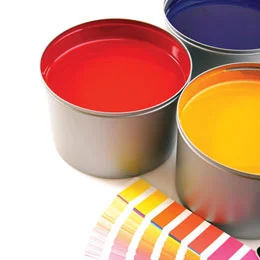
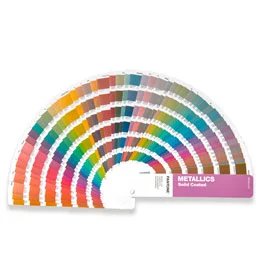
| Printing | No Printing, CMYK, CMYK + 1 PMS color, CMYK + 2 PMS colors |
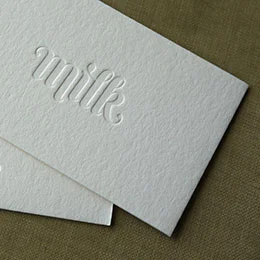
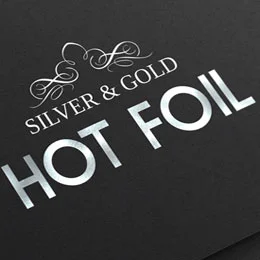
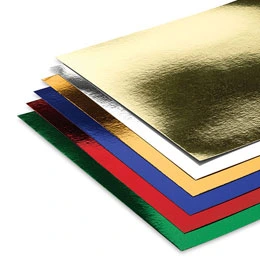
| Finishing | Gloss Lamination, Matte Lamination, Gloss AQ, Gloss UV, Matte UV, Spot UV, Embossing, Foiling |
| Included Options | Die Cutting, Gluing, Scoring, Perforation |
| Additional Options | Eco-Friendly, Recycled Boxes, Biodegradable |
| Proof | Flat View, 3D Mock-up, Physical Sampling (On request) |
| Turnaround | 8 – 12 Business Days, RUSH |
| Shipping | FREE USA |
Custom bath bomb boxes are printed retail cartons built to a specific bath bomb size, board weight, and moisture profile. Most brands order 14pt–18pt SBS tuck-end or two-piece boxes with a 2–3mm clearance, custom inserts for spheres, and FDA-compliant label panels. Wholesale pricing typically starts at 100 units.
Every bath brand that calls us about custom bath bomb boxes arrives with the same brief: make it look premium. Fair enough. But after a decade of running bath and body packaging through prepress, die-cutting, and gluing, the complaints that actually come back after delivery are rarely about the print.
They’re about a sphere rattling inside a square carton until the edges powder off. About a box that arrived at a Colorado warehouse looking perfect and reached a Florida retailer with a soft, tacky product inside. About an Amazon listing suspended because the outer carton didn’t carry a net weight declaration. About a beautiful gold-foiled box that a sustainability-focused retailer refused to shelf because it can’t go curbside.
None of that is a design failure. It’s a specification failure and it happens because most packaging suppliers sell finishes, not engineering. This guide covers the specifications that actually determine whether your bath bomb packaging boxes work.
Custom bath bomb box manufacturing means producing retail cartons built from a dieline drawn to your exact product dimensions, printed to your artwork, and manufactured in a paperboard grade matched to how the product ships and sells.
The work runs in four stages: structural design (a dieline sized to your bomb, not a stock template), material selection (board caliper, coating, and any barrier layer), printing and finishing (digital or offset, plus any foil, emboss, or spot UV), and converting (die-cutting, creasing, gluing, and shipping flat for you to assemble).
The distinction that matters: a stock box is a size you adapt to. A custom box is a size adapted to you. With bath bombs round, brittle, hygroscopic products with almost no structural strength that difference is the whole ballgame.
We work from your product, not a catalog. Send us the bomb or its exact diameter and net weight and we build the dieline around it, then send a physical white sample before a single production sheet is printed.
Three things we do differently:
We spec for your climate and channel. A box heading to a dry retail shelf and a box heading to a Gulf Coast e-commerce fulfillment center are not the same box. We ask where your product ships before we quote.
We plan label real estate first. Bath bombs are cosmetics under FDA rules. We lay out the required panels before the decorative artwork, so nothing gets crowded out at the proofing stage.
We tell you when the upgrade isn’t worth it. Rigid boxes, full foil coverage, and soft-touch lamination are real options and often the wrong ones for a $12 retail product. You’ll get a straight answer on margin impact.
Low minimums from 100 units, free structural design support, physical samples, and nationwide shipping across the USA.
Standard bath bombs run 2.5″ diameter at roughly 4.5 oz, 2″ at 2.5 oz, and 1.5″ for minis and sample sizes. Shower steamers and bath fizzies typically run smaller and flatter.
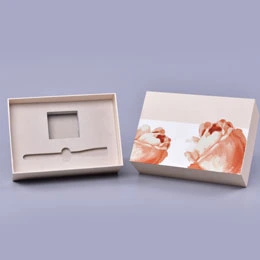
A sphere in a cube needs 2–3mm total clearance enough to insert without abrasion, tight enough to prevent travel. Under that, you scuff the surface during assembly. Over that, the bomb moves in transit and sheds powder into the corners. For multi-packs, a die-cut paperboard insert or a hex-cell divider is not an upsell; it’s the difference between a clean unboxing and a bag of dust.
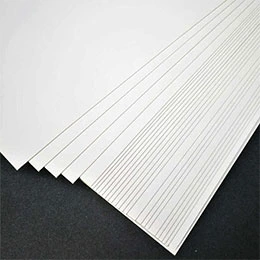
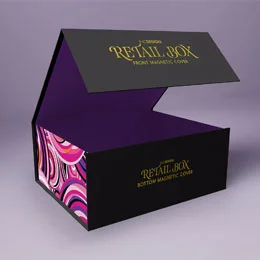
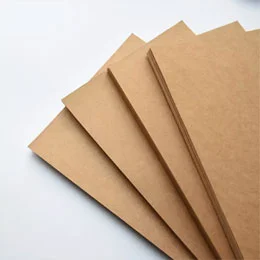
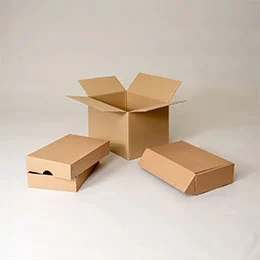
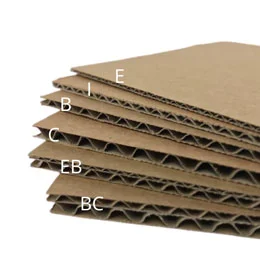
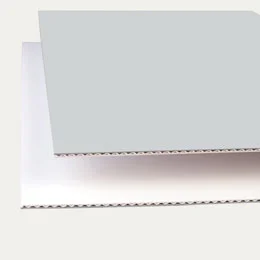
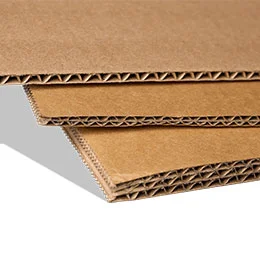
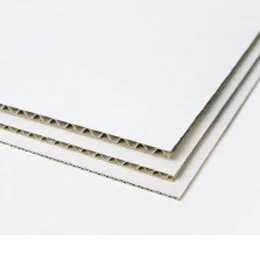
14pt–18pt SBS (C1S) is the working range for single-unit retail cartons bright white printing surface, good crease memory, holds a clean edge. E-flute corrugated handles 4-packs, 6-packs, and mailers where crush resistance matters. Kraft (uncoated or clay-coated) suits handmade and natural positioning, though it prints with a warmer, muted color response plan artwork accordingly. Rigid board (1200–1500 gsm wrapped) is for gift sets and luxury bath bomb boxes at higher price points.
Sodium bicarbonate and citric acid react with ambient humidity. That reaction begins in storage, not in the tub.
Here’s what most suppliers won’t tell you: a paperboard carton is not a moisture barrier. Aqueous coating, gloss lamination, and spot UV protect your print from scuffing. They do not stop water vapor from reaching your product. If humidity is a genuine risk in your supply chain, the barrier has to sit against the product heat-shrink film, a poly overwrap, or a foil-lined pouch with the printed carton as the retail-facing layer around it.
Any supplier promising a “moisture-proof box” is selling you a coating and calling it a barrier.
Bath bombs are regulated as cosmetics. A bath bomb is a cosmetic product, and the label requires the product identity, net weight, name and address of the responsible business, and an ingredient declaration.
Practically, this shapes your dieline:
Ingredient labeling and net quantity requirements under the Fair Packaging and Labeling Act apply to the outer container’s label so if your carton is the outer package, that’s where the burden falls. Under MoCRA, facility registration and product listing now apply to responsible persons, and a fragrance allergen disclosure rule is on the way. Build 15–20% headroom into your information panel now so you’re not re-plating later.
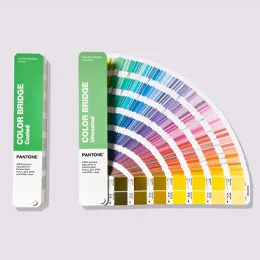
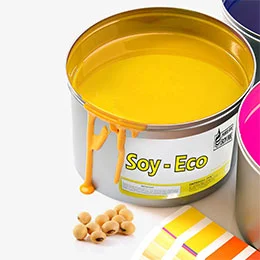
Digital printing is economical to roughly 500–1,000 units with no plate charge ideal for launches, seasonal SKUs, and testing. Offset takes over above that breakpoint, with better solids and true Pantone matching. Window patching, foil stamping, embossing, and soft-touch matte are all available. One caution: foil and full lamination compromise curbside recyclability. If eco-friendly bath bomb packaging is central to your brand story, uncoated kraft, soy-based inks, and FSC-certified stock are the honest route.
Bath bomb brands scaling past kitchen production. Handmade soap businesses adding fizzies to their line. Skincare and beauty companies building coordinated ranges. Spa and wellness businesses needing retail-ready presentation. Artisan makers at farmers’ markets who need compliant labeling. Private label brands, e-commerce stores, brick-and-mortar retailers, and wholesale distributors ordering across multiple SKUs.
If your product is round, brittle, and reactive to moisture, the specifications in this guide apply to you.
What is the minimum order for custom bath bomb boxes wholesale?
Digital production starts at 100 units. Offset becomes cost-effective around 1,000. Below 100, per-unit setup costs usually make it uneconomical versus stock boxes with applied labels.
What size box do I need for a standard bath bomb?
For a 2.5″ sphere, a 2.75″ x 2.75″ x 2.75″ internal dimension is the common starting point. Send us the product and we’ll confirm against the actual measurement bath bomb molds vary more than brands expect.
Will a printed box keep my bath bombs from going soft?
No box alone will. The carton protects against impact, light, and abrasion. For humidity, use shrink film or a poly overwrap against the product, with the printed box outside it.
Why do quotes vary so much between suppliers?
Four drivers: board caliper, print method, finish passes, and whether a custom die is being cut or a stock die reused. A quote that’s dramatically lower usually means lighter board or a template that isn’t sized to your product.
Can I get boxes that hold multiple bath bombs?
Yes 2-packs, 4-packs, 6-packs, and gift sets with die-cut inserts or hex cells. Multi-packs generally need E-flute or heavier SBS to carry the additional weight.
Are kraft bath bomb boxes strong enough for shipping?
Kraft at appropriate caliper is structurally comparable to SBS. The trade-off is print appearance, not strength colors sit warmer and less saturated on uncoated kraft.
How long does the first order take?
Design and sampling run 3–5 business days, production 8–12. Repeat orders skip straight to production.
Send us your bath bomb dimensions, target quantity, and where it sells retail shelf, e-commerce, or both. You’ll get a dieline, a 3D mockup, and a quote with the board grade and print method stated in writing, not buried.
Request your free quote and physical sample today.
At Ono Custom Boxes, our Artwork Preparation Guide helps ensure your custom packaging design is print-ready for high-quality results. To get started, submit vector files (AI, EPS, or PDF) in CMYK color mode, with a 1/8 inch bleed and 300 DPI resolution. Convert all text to outlines and keep it at least 1/4 inch from the edges. Review your proof to ensure accuracy before submitting. Following these steps will guarantee your design is perfectly printed on your custom boxes.
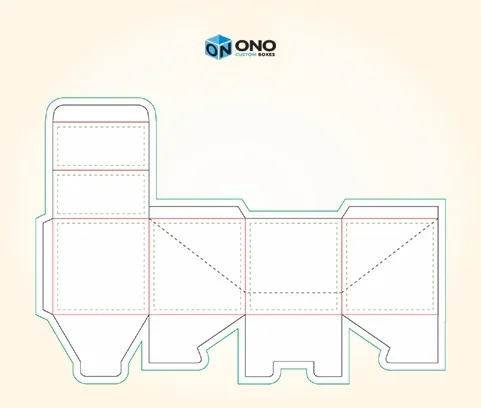
The cut line is the outline that marks where your custom packaging will be trimmed. It is typically represented by a solid black line in your artwork file.
The bleed line is the area extending beyond the cut line, usually marked with a green line in your artwork. Typically, a 1/8 inch (0.125") bleed is required to prevent any unwanted white borders.
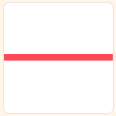
The crease line, marked by red lines in your artwork, indicates where the box will be folded during production.
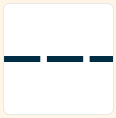
Perforation lines, shown as dotted black lines, indicate where the box will have small, evenly spaced holes for easy tearing or separation. These are often used for tear-away sections.
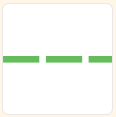
The safety margin, marked by dotted green lines, is the area around the cut line where important elements (such as text, logos, or graphics) should be kept clear.
Need Help with Ono Custom Boxes Consultant? We’re here! We offer a variety of packaging options, from sustainable choices to personalize packaging, all aimed at helping your product stand out. And with our fast turnaround, you can get started without the wait.




Ono Custom Boxes delivers innovative, durable, and affordable packaging tailored to meet your business needs and brand identity.
111-06 Farmers Boulevard, Rochdale Village, NY 11434
Copyright © 2026 Ono Custom Boxes. All Rights Reserved
WhatsApp us