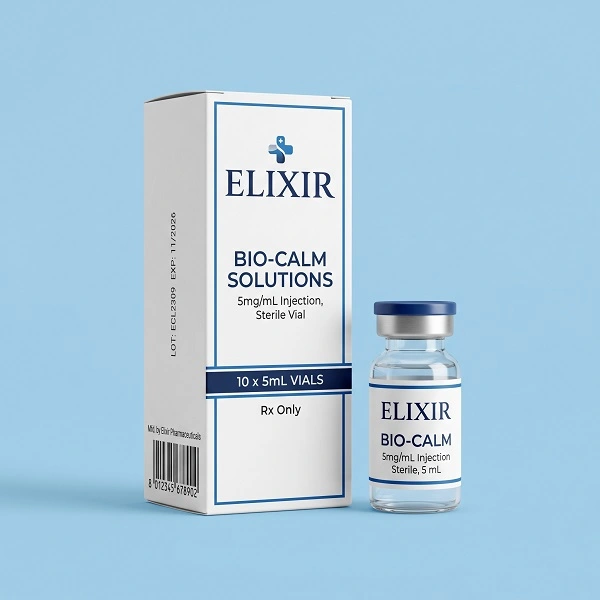
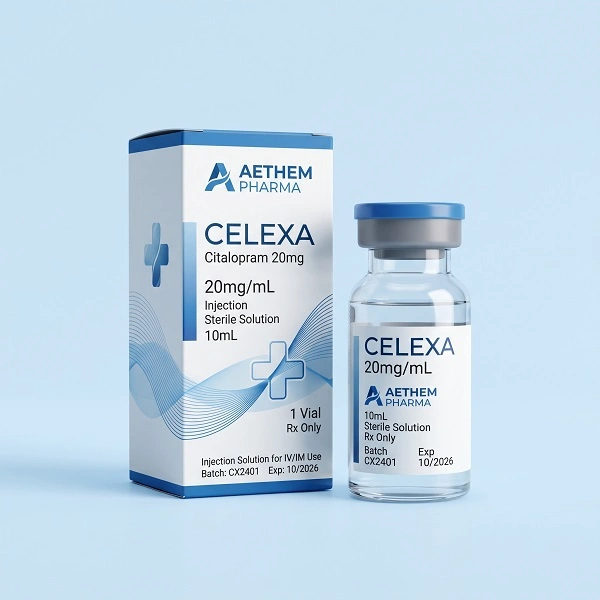
Custom 5ml vial boxes engineered to your exact vial dimensions. Choose kraft, SBS paperboard or rigid stock with die-cut, foam or molded pulp inserts. Full-color printing, tamper-evident seals and compliance panels. Low minimums, physical prototypes and fast nationwide US delivery.





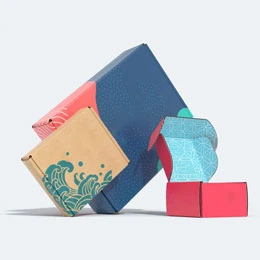
Get Your Custom Boxes Designed in Your Desired Shape, Size and Style

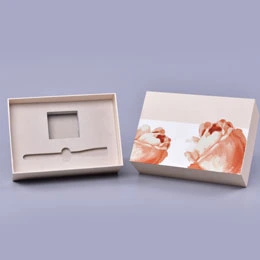
Get Your Custom Boxes Printed With Your Desired Artwork And Colors

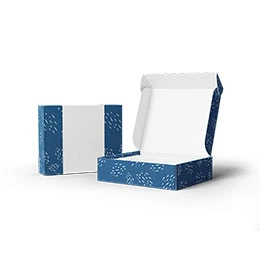
Get Custom Boxes At Wholesale Prices. Low MOQs. No Die or Plate Charges
| Dimension (L + W + H) | All Custom Sizes & Shapes |
| Quantities | Low Minimum Order Required |
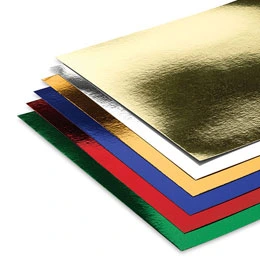
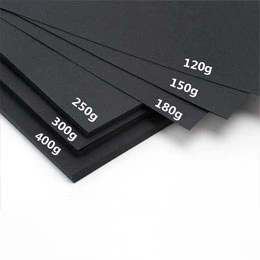
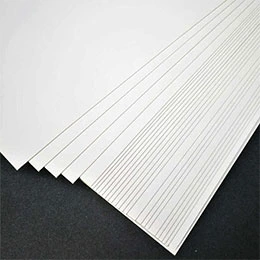
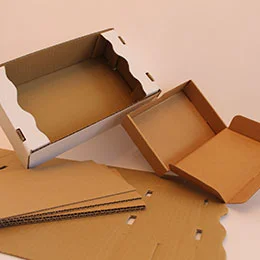
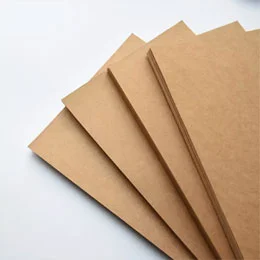
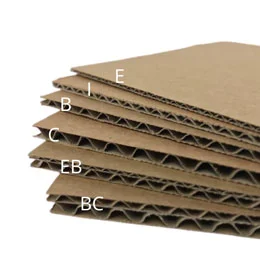
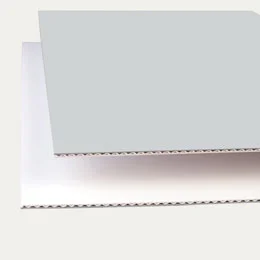
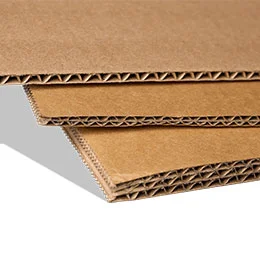
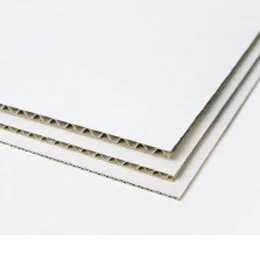
| Stock | 10pt to 28pt (60lb to 400lb) Eco-Friendly Kraft, E-flute Corrugated, Bux Board, Cardstock |
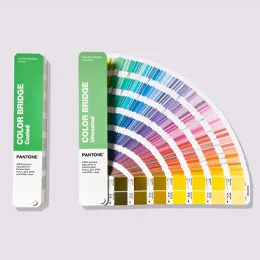
| Printing | No Printing, CMYK, CMYK + 1 PMS color, CMYK + 2 PMS colors |
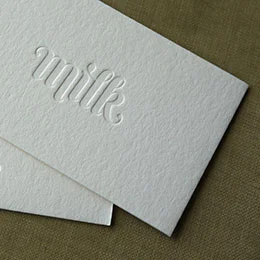
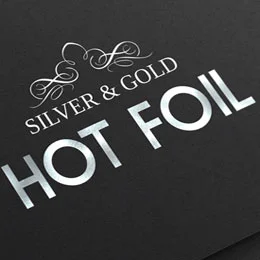
| Finishing | Gloss Lamination, Matte Lamination, Gloss AQ, Gloss UV, Matte UV, Spot UV, Embossing, Foiling |
| Included Options | Die Cutting, Gluing, Scoring, Perforation |
| Additional Options | Eco-Friendly, Recycled Boxes, Biodegradable |
| Proof | Flat View, 3D Mock-up, Physical Sampling (On request) |
| Turnaround | 8 – 12 Business Days, RUSH |
| Shipping | FREE USA |
5ml vial boxes are small, precision-engineered cartons that hold, protect, and brand 5ml glass or plastic vials during storage, shipping, and retail display. Custom 5ml vial boxes are built to exact vial dimensions with snug inserts, printed with dosage and compliance data, and produced in paperboard, kraft, or rigid stock for pharmaceutical, cosmetic, and laboratory use.
A 5ml vial is one of the hardest containers in packaging to get right, and most brands discover this the expensive way.
The vial is small, top-heavy, usually glass, and often carries a product worth far more than the container itself a peptide, a serum, a diagnostic reagent, a pure essential oil. A carton that’s 2mm too wide lets the vial rattle and chip its neck in transit. A carton that’s 1mm too narrow cracks the glass at the shoulder during insertion on a semi-automatic line. Generic stock cartons ordered off a catalog do one or the other, almost every time.
Then there’s everything printed on the box. Pharmaceutical and diagnostic vials carry lot numbers, expiry dates, storage temperatures, NDC codes, and warning statements. Cosmetic and wellness vials carry INCI lists, volume declarations, and batch codes. All of it has to fit legibly on a panel roughly the size of a business card and stay legible after the carton goes through cold-chain condensation or a hot warehouse.
Custom 5ml vial packaging solves both problems at once: dimensional accuracy that protects the glass, and a print layout engineered for the small panel space you actually have.
Custom 5ml vial box manufacturing means a carton engineered from your specific vial upward, rather than fitted to a size that already exists in a warehouse.
The process starts with the vial itself. A standard 5ml borosilicate serum vial, a 5ml amber dropper bottle with a bulb pipette, and a 5ml plastic scintillation vial all have different diameters, heights, and closure profiles sometimes varying by 15mm or more in overall height once the dropper or crimp cap is accounted for. Each needs its own dieline.
From there, manufacturing covers structural design, material selection, insert engineering, printing, finishing, and assembly. You end up with a carton that fits your vial with controlled tolerance, carries your artwork and regulatory copy, and holds up through your actual distribution path whether that’s a temperature-controlled pharma shipment, a retail shelf, or a subscription mailer.
For multi-vial products, this extends to kit cartons: a single 5ml vial box holding 3, 5, 10, or 24 units in a partitioned tray, which is standard for diagnostic panels, lab reagent sets, and essential oil starter collections.
Small-format vial packaging is a specialist discipline, and the differences show up in details buyers only notice after a bad run.
Dieline built from your physical vial, not a spec sheet. Vial dimensions from suppliers are nominal. Actual glass varies by manufacturing tolerance, and dropper assemblies add height that spec sheets often omit. Sending a physical sample means the dieline reflects reality.
Print engineering for small panels. A 5ml carton panel might be 25mm × 55mm. Regulatory copy at 6pt on a coated stock behaves very differently than the same copy on uncoated kraft, where ink gain thickens strokes and closes up counters. Font weight, tracking, and minimum point size get adjusted per material, not applied as a template.
Low-migration inks available for pharmaceutical and ingestible products. Standard offset inks are not appropriate for every application. For products where the carton sits in prolonged contact with a primary container in a warm environment, low-migration ink systems are the correct specification.
Structural validation before mass production. A physical prototype ships before a full run, so you can insert your actual vial, test the fit, close the flaps, and drop the carton. Digital proofs show artwork; they don’t show whether the glass survives.
Genuine short runs. Clinical trial batches, product launches, and regional SKU tests don’t need 10,000 units. Digital printing makes runs in the low hundreds economically sensible without the plate charges that make offset unviable at low volume.
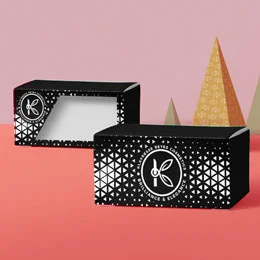
Straight tuck end and reverse tuck end cartons cover most single-vial applications. Auto-lock bottom is the right call when a vial is heavy relative to the carton or when hand-assembly speed matters. Seal end cartons suit high-speed automated filling lines. Two-piece rigid boxes and sleeve-and-tray constructions serve premium presentation. Hanging cartons with euro-slots or sombrero hooks work for retail 5ml vial boxes on pegged displays.
The insert is what actually protects the vial, and it’s where most cheap vial packaging fails.
Offset lithography for volume runs digital for short runs and variable data. CMYK process, Pantone spot color matching, and white ink on kraft or clear substrates. Finishing options include matte and gloss lamination, soft-touch coating, spot UV, foil stamping, embossing and debossing, and window patching.
Tamper-evident glue flaps and seals, dedicated panels for lot and expiry imprinting, barcode and QR code zones with verified quiet zones, serialization-ready layouts for track-and-trace requirements, and Braille embossing where markets require it. Getting these designed in from the start is considerably cheaper than retrofitting them after a compliance review.
Breakage drops sharply. Correctly toleranced cartons with proper inserts are the single largest lever on glass damage claims in small-vial distribution.
Shelf presence improves at the exact moment it matters. A 5ml vial alone on a shelf reads as a sample. The same vial in a printed carton with logo, finish, and clear product identity reads as a product worth its price.
Regulatory copy stays legible and compliant. Panel space is allocated deliberately rather than fought over at the last minute.
Freight costs come down. Right-sized cartons cut dimensional weight and increase units per master case meaningful when you’re shipping thousands of small units.
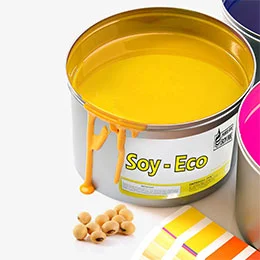
Sustainability claims become defensible. FSC-certified stock, recyclable paperboard inserts, and soy-based inks give you something specific to state on the pack rather than a vague claim.
Brand consistency scales across SKUs. One structural template adapted across a product line keeps a range looking coherent as it grows.
Pharmaceutical companies packaging injectables, lyophilized products, and clinical trial supplies requiring serialization and tamper evidence.
Healthcare and medical product manufacturers needing cartons that hold up through validated distribution and carry full compliance markings.
Diagnostic brands and laboratory suppliers shipping reagent vials, control sera, and multi-vial test panels where partition accuracy and clear inventory identification are essential.
Cosmetic companies launching serums, facial oils, and treatment ampoules where the carton carries most of the premium positioning.
Essential oil and wellness brands working in kraft and recycled stock, often across large SKU counts and multi-vial gift sets.
Retailers and wholesale distributors requiring private-label vial cartons, hanging retail formats, and master case configurations built for their own logistics.
What size box fits a 5ml vial?
It depends on your specific vial. A 5ml serum vial is typically around 22mm in diameter and 40mm tall; a 5ml dropper bottle with pipette assembly often runs 24mm × 65mm or taller. Carton internal dimensions are set to the actual measured vial plus controlled clearance for the insert usually 1–3mm depending on construction. Send a physical sample for exact tolerancing.
What’s the minimum order for custom 5ml vial boxes?
Digital printing makes short runs viable in the low hundreds, which suits launches, clinical batches, and SKU tests. Offset printing becomes more cost-effective at higher volumes because plate setup is amortized across more units. The right method depends on your run size, and it’s worth pricing both before deciding.
Do you supply 5ml vial boxes with inserts?
Yes. Insert type is selected against your vial weight, fragility, and shipping method paperboard for light-duty single vials, corrugated partitions for multi-vial kits, molded pulp or EVA foam for higher protection, thermoformed trays for medical and diagnostic applications.
Can these cartons carry pharmaceutical compliance markings?
Yes. Tamper-evident seals, lot and expiry imprint panels, barcode and QR zones, serialization-ready layouts, and Braille embossing can all be designed into the structure. Specify your requirements during the specification stage so panel space is allocated correctly from the start.
Are eco-friendly options available?
FSC-certified paperboard, recycled-content kraft, recyclable paperboard and molded pulp inserts, soy-based inks, and water-based coatings are all available. Note that laminated and foiled cartons complicate recyclability if curbside recyclability is a firm requirement, uncoated or aqueous-coated stock is the better route.
How long does production take?
Typical timelines run from artwork approval through prototype to production, with prototypes usually the shortest phase and offset runs with specialty finishes the longest. Foil stamping, window patching, and rigid box construction each add time. Confirm your date requirement at the quoting stage rather than after approval.
Can I get a sample before committing to a full run?
Yes, and you should. A physical prototype in your final material is the only reliable way to confirm that your vial fits correctly and that the printed copy is legible at actual size.
The fastest path to an accurate quote is a short specification: your vial dimensions or a physical sample, units per carton, estimated annual volume, material preference, and any compliance markings you need to carry.
Send those details and you’ll get a structural recommendation, a material specification, and pricing across your realistic run sizes plus a physical prototype to test with your actual vial before you commit to production. If you’re weighing paperboard against rigid, or trying to work out whether your regulatory copy will fit the panel, that’s exactly the conversation to have before artwork begins.
Request a quote and a prototype for your 5ml vial packaging today.
At Ono Custom Boxes, our Artwork Preparation Guide helps ensure your custom packaging design is print-ready for high-quality results. To get started, submit vector files (AI, EPS, or PDF) in CMYK color mode, with a 1/8 inch bleed and 300 DPI resolution. Convert all text to outlines and keep it at least 1/4 inch from the edges. Review your proof to ensure accuracy before submitting. Following these steps will guarantee your design is perfectly printed on your custom boxes.
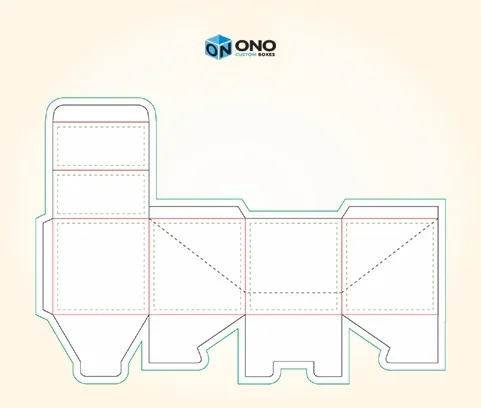

The cut line is the outline that marks where your custom packaging will be trimmed. It is typically represented by a solid black line in your artwork file.

The bleed line is the area extending beyond the cut line, usually marked with a green line in your artwork. Typically, a 1/8 inch (0.125") bleed is required to prevent any unwanted white borders.
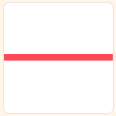
The crease line, marked by red lines in your artwork, indicates where the box will be folded during production.
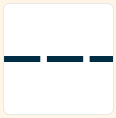
Perforation lines, shown as dotted black lines, indicate where the box will have small, evenly spaced holes for easy tearing or separation. These are often used for tear-away sections.

The safety margin, marked by dotted green lines, is the area around the cut line where important elements (such as text, logos, or graphics) should be kept clear.
Need Help with Ono Custom Boxes Consultant? We’re here! We offer a variety of packaging options, from sustainable choices to personalize packaging, all aimed at helping your product stand out. And with our fast turnaround, you can get started without the wait.




Ono Custom Boxes delivers innovative, durable, and affordable packaging tailored to meet your business needs and brand identity.
111-06 Farmers Boulevard, Rochdale Village, NY 11434
Copyright © 2026 Ono Custom Boxes. All Rights Reserved
WhatsApp us