Custom cardboard pencil boxes engineered around your product. We size every carton to your pencil count and barrel dimensions, then add fitted inserts, hang tabs, and full-color print on kraft or SBS board. Low minimums, nationwide delivery, samples before production.
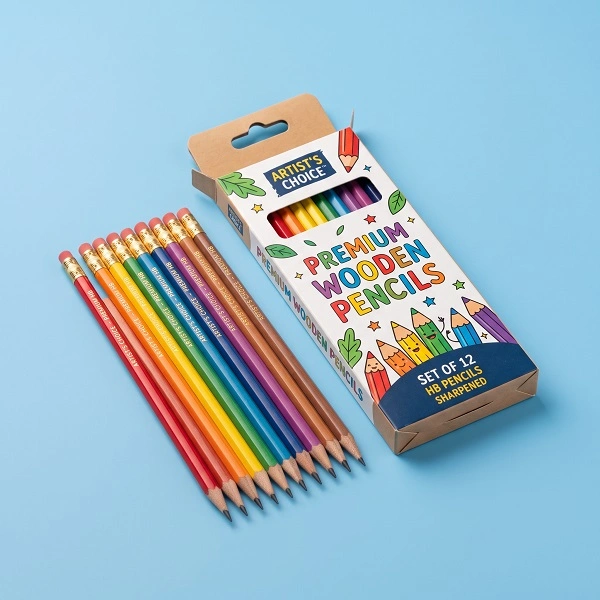
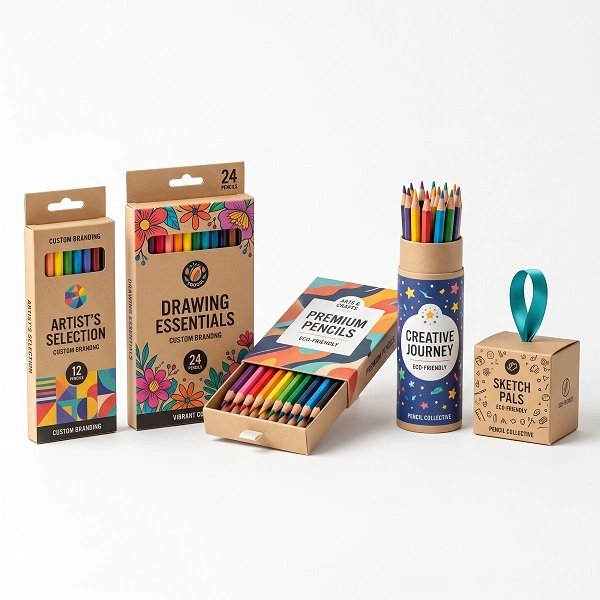
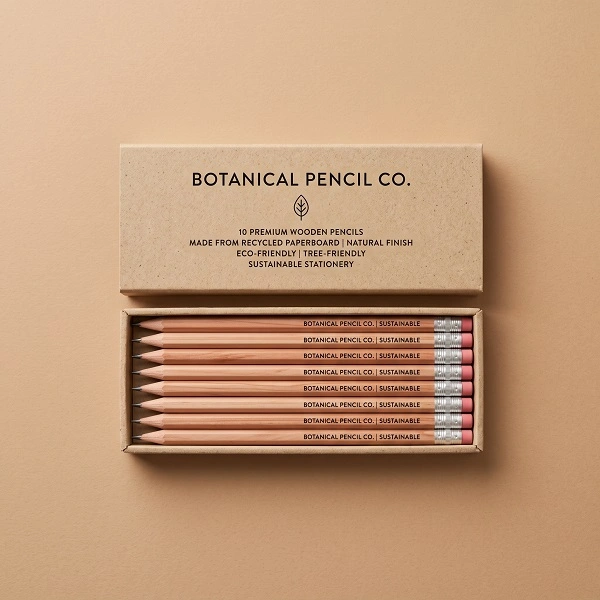
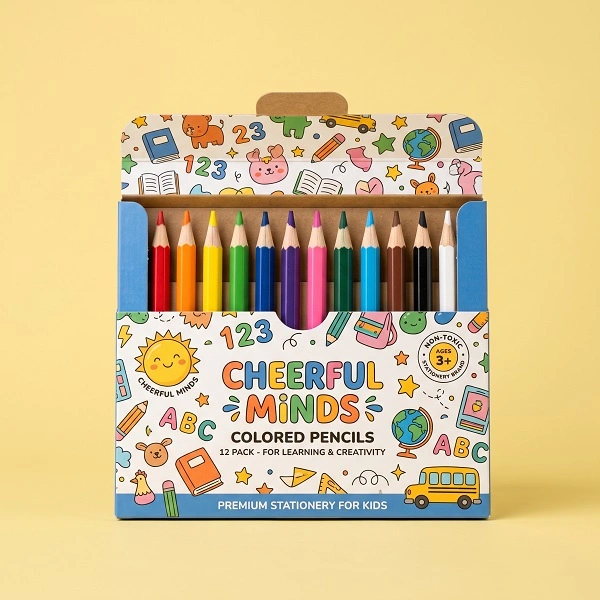



Get Your Custom Boxes Designed in Your Desired Shape, Size and Style

Get Your Custom Boxes Printed With Your Desired Artwork And Colors

Get Custom Boxes At Wholesale Prices. Low MOQs. No Die or Plate Charges
| Dimension (L + W + H) | All Custom Sizes & Shapes |
| Quantities | Low Minimum Order Required |
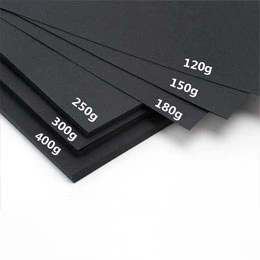
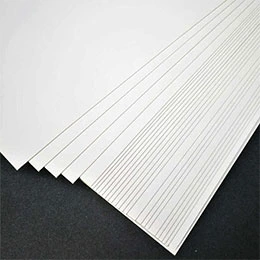
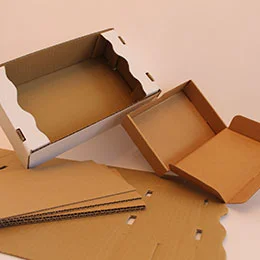
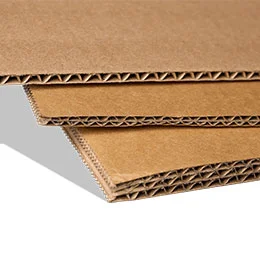
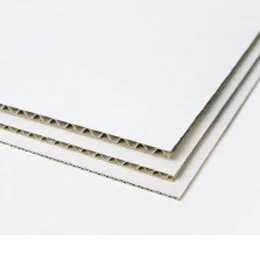
| Stock | 10pt to 28pt (60lb to 400lb) Eco-Friendly Kraft, E-flute Corrugated, Bux Board, Cardstock |
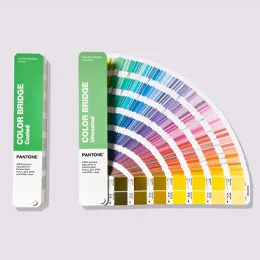
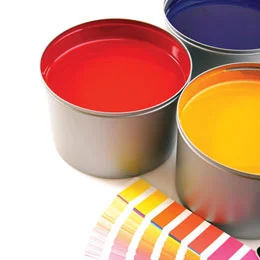
| Printing | No Printing, CMYK, CMYK + 1 PMS color, CMYK + 2 PMS colors |
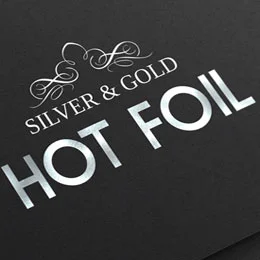
| Finishing | Gloss Lamination, Matte Lamination, Gloss AQ, Gloss UV, Matte UV, Spot UV, Embossing, Foiling |
| Included Options | Die Cutting, Gluing, Scoring, Perforation |
| Additional Options | Eco-Friendly, Recycled Boxes, Biodegradable |
| Proof | Flat View, 3D Mock-up, Physical Sampling (On request) |
| Turnaround | 8 – 12 Business Days, RUSH |
| Shipping | FREE USA |
Cardboard pencil boxes are printed paperboard cartons built to hold pencils safely from the packing line to the retail shelf. Most brands use 16pt to 24pt SBS or kraft board, a die-cut insert to stop rattle, and offset or digital printing. Sizes are set by pencil count and length, not by volume.
Pencils look like an easy product to package. They are not.
A 7.5-inch pencil is long, thin, and rigid. Pack twelve of them in a carton that is even 2mm too wide and they slide, rattle, and rub. Graphite dust marks the inside of the box. Sharpened tips snap. By the time the carton reaches a store shelf, the panels are bowed and the print looks tired.
Then come the retail rules. Big-box buyers want a pegboard hang tab that holds weight without tearing. E-commerce sellers need a carton that survives ISTA 6-Amazon drop testing without an overbox. School supply programs need CPSIA-compliant printing because the end user is a child.
Most packaging suppliers skip all of this. They sell you a generic tuck box, print your logo, and hope for the best. Cardboard boxes that actually perform are engineered around the product the pencil count, the tip condition, the shelf format, and the shipping route.
This guide covers how those decisions get made.
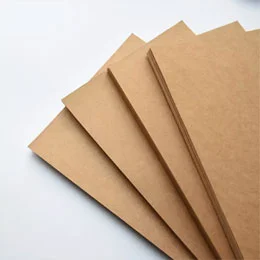
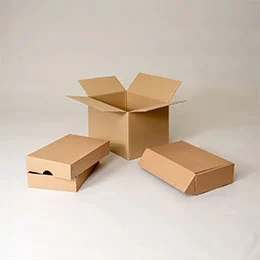
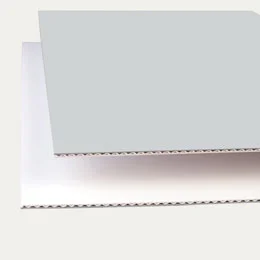
Custom cardboard pencil boxes are made from folding paperboard usually SBS (solid bleached sulfate) for bright white print, or kraft board for a natural, uncoated look. The board is printed flat, coated, die-cut to a custom dieline, creased, glued, and shipped to you knocked down flat.
You assemble the carton on your line, load the pencils, and close it. Nothing is stock. The dimensions, the board thickness, the closure style, the insert, and the artwork are all built for your specific product.
This is different from buying stock cartons and applying a label. Custom pencil packaging is tooled to your product, which is why the fit is tight and the print runs edge to edge.
Structural engineering before artwork. We build the dieline around your pencil dimensions first. Sharpened tips, hex versus round barrels, and eraser ferrules all change internal clearance. Artwork gets applied to a structure that already works.
Board specified, not guessed. You get a written spec caliber, board grade, coating, and glue type before production. If a competitor quotes “premium cardboard” with no number attached, that is not a specification.
Physical samples on every new tooling. You receive a printed, die-cut sample from the actual production dieline. You load your own pencils into it and confirm the fit before we run the full quantity.
Retail and marketplace compliance handled. Hang tab placement, UPC/GTIN barcode sizing and quiet zones, FSC-certified stock, and low-migration ink systems are all built into the file, not added later.
Repeat-order consistency. Your dieline, color targets, and board spec are archived. Reorder six months later and the carton matches the first run.
| Board Type | Typical Caliber | Best Use | Print Result | Notes |
|---|---|---|---|---|
| SBS C1S | 16–18pt | 6–12 count retail cartons | Excellent, bright white | Most common retail choice |
| SBS C1S | 20–24pt | 24–48 count classroom packs | Excellent | Needed for heavier fill weight |
| Natural kraft | 18–24pt | Eco-friendly pencil boxes | Earthy, muted | Recycled content available |
| Chipboard | 24–36pt | Rigid trays, sleeve inserts | Requires wrap | Very stiff, not printed direct |
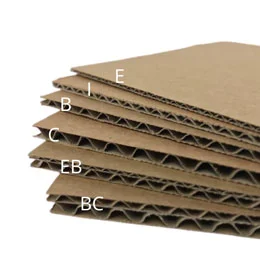
| E-flute corrugated | ~1.5mm | Multi-pack shippers | Good with litho-lam | Best crush resistance |
As a rule: under 12 pencils, 16–18pt is sufficient. Above 24 pencils, move to 20–24pt or the long panels will bow.
Standard pencils run 7.5 inches. Golf and promotional pencils run 3.5 inches. Carpenter pencils are flat and wider.
Final dimensions always come from your physical sample, since barrel diameter and ferrule length vary by manufacturer.
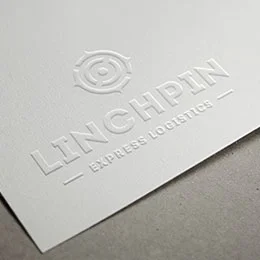
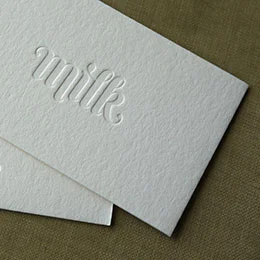
Gloss or matte lamination, soft-touch coating, spot UV, foil stamping, embossing and debossing, aqueous coating, and die-cut windows. For school supply packaging, matte lamination is the practical pick it hides handling scuffs on shelves where children pick up the product.
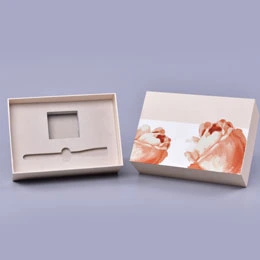
A paperboard platform insert or scored divider keeps pencils in fixed channels. This is the single most overlooked component in printed cardboard pencil boxes. Without it, sharpened tips break and graphite dust greys the interior. Molded pulp and chipboard trays are available for artist sets.
Lower damage rates. A tight insert and correctly specified caliber cut in-transit breakage dramatically compared to loose-fill tuck boxes.
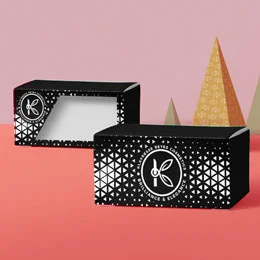
Shelf visibility. Full-panel printing turns the carton into your only piece of in-store advertising. Pencil boxes with logo printing across all five visible panels outperform label-on-stock-carton every time.
Lower freight cost. Cartons ship flat. You pay for board, not air.
Sustainability you can prove. Paper pencil boxes on FSC-certified or recycled kraft are curbside recyclable in most U.S. municipalities, and meet Toxics in Packaging (TPCH) heavy-metal limits increasingly a buyer requirement.
Cleaner retail approval. Correct hang tab reinforcement and barcode placement reduce the chance of a rejected planogram submission.
Typical turnaround runs 8 to 12 business days after proof approval, with rush options available on standard finishes.
Pencil manufacturers packaging graphite, colored, and mechanical pencil boxes. Stationery brands launching retail lines. School supply companies producing classroom multi-packs. Art supply brands needing sleeve-and-tray presentation for professional ranges. Office supply businesses standardizing SKU packaging. Educational suppliers bidding on district contracts. Retailers building private-label programs. E-commerce sellers who need marketplace-compliant cartons. Wholesale distributors managing cardboard pencil packaging across multiple client brands.
What is the minimum order quantity for custom cardboard pencil boxes?
Digital printing makes runs of 100 units viable, which is enough to test a new SKU. Offset runs typically start around 1,000. Below 100 units, tooling and setup costs make the per-unit price hard to justify.
What board thickness is best for pencil boxes?
For 6 to 12 pencils, 16–18pt SBS. For 24 to 48 pencils, 20–24pt. The extra caliber prevents panel bowing on the long, unsupported sides.
How much do custom pencil boxes cost per unit?
Price is driven by five things: quantity, board caliber, print method, finishing, and whether an insert is required. Quantity matters most moving from 500 to 5,000 units often cuts unit cost by more than half, because plate and die costs spread across more pieces. Ask for tiered pricing rather than a single number.
Are cardboard pencil boxes recyclable?
Uncoated kraft and aqueous-coated SBS are curbside recyclable in most U.S. programs. Gloss lamination and PET windows reduce recyclability, so brands with sustainability claims usually specify aqueous or soft-touch water-based coatings instead.
Can you package sharpened pencils without tip damage?
Yes, but it requires a fitted insert with individual channels and a small clearance void at the tip end. This must be engineered into the dieline from the start it cannot be added to a finished carton.
Do I get a sample before the full run?
You should always insist on one. Request a printed, die-cut sample from the production dieline and load your own pencils into it. A flat PDF proof will not reveal a fit problem.
What files do you need to start?
Vector artwork (AI, EPS, or press-ready PDF) at 300 DPI with CMYK color, plus any Pantone targets and your UPC. If you do not have print files, the dieline template is supplied for your designer.
Send your pencil count, barrel dimensions, and target quantity, and you will receive a structural dieline, a written board specification, and tiered pricing no obligation. Request a physical sample before you commit to a full run, load your product into it, and decide from there.
At Ono Custom Boxes, our Artwork Preparation Guide helps ensure your custom packaging design is print-ready for high-quality results. To get started, submit vector files (AI, EPS, or PDF) in CMYK color mode, with a 1/8 inch bleed and 300 DPI resolution. Convert all text to outlines and keep it at least 1/4 inch from the edges. Review your proof to ensure accuracy before submitting. Following these steps will guarantee your design is perfectly printed on your custom boxes.
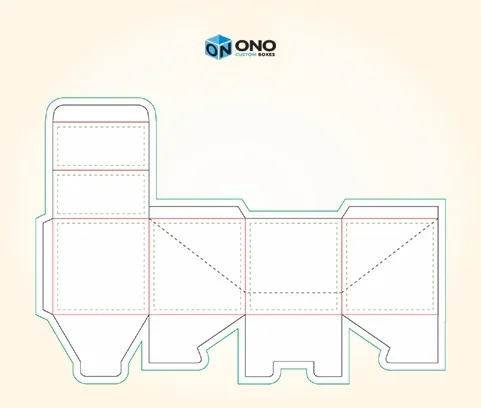
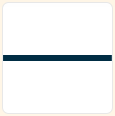
The cut line is the outline that marks where your custom packaging will be trimmed. It is typically represented by a solid black line in your artwork file.
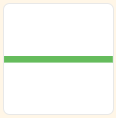
The bleed line is the area extending beyond the cut line, usually marked with a green line in your artwork. Typically, a 1/8 inch (0.125") bleed is required to prevent any unwanted white borders.
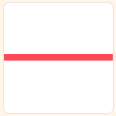
The crease line, marked by red lines in your artwork, indicates where the box will be folded during production.
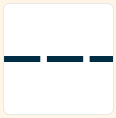
Perforation lines, shown as dotted black lines, indicate where the box will have small, evenly spaced holes for easy tearing or separation. These are often used for tear-away sections.
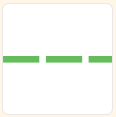
The safety margin, marked by dotted green lines, is the area around the cut line where important elements (such as text, logos, or graphics) should be kept clear.
Need Help with Ono Custom Boxes Consultant? We’re here! We offer a variety of packaging options, from sustainable choices to personalize packaging, all aimed at helping your product stand out. And with our fast turnaround, you can get started without the wait.
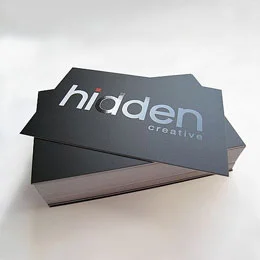




Ono Custom Boxes delivers innovative, durable, and affordable packaging tailored to meet your business needs and brand identity.
111-06 Farmers Boulevard, Rochdale Village, NY 11434
Copyright © 2026 Ono Custom Boxes. All Rights Reserved
WhatsApp us