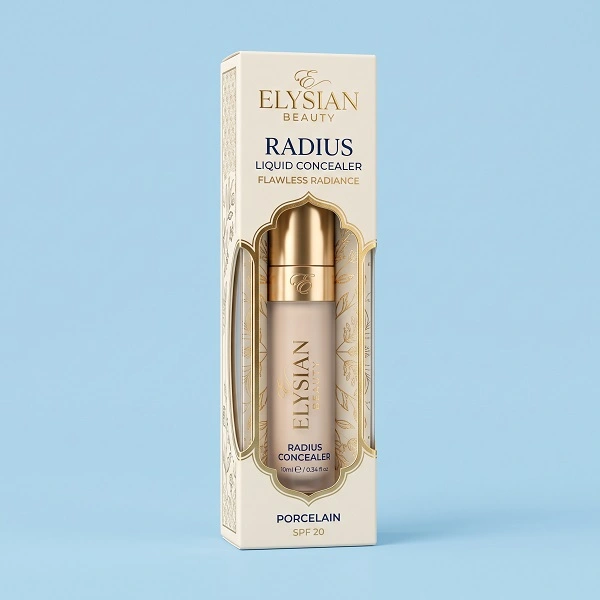
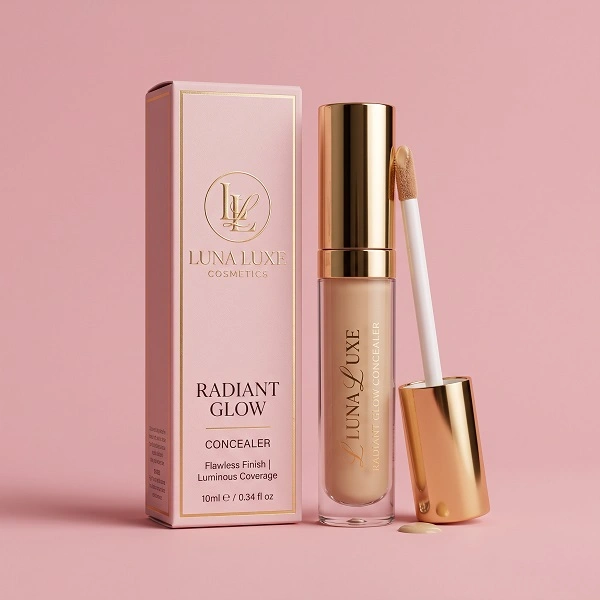
Custom mascara packaging boxes tailored to your tube’s exact dimensions. Choose cardboard, kraft, or luxury rigid stock with foil stamping, spot UV, and full-color logo printing. Low minimums, free design support, and fast USA-wide delivery for beauty brands.
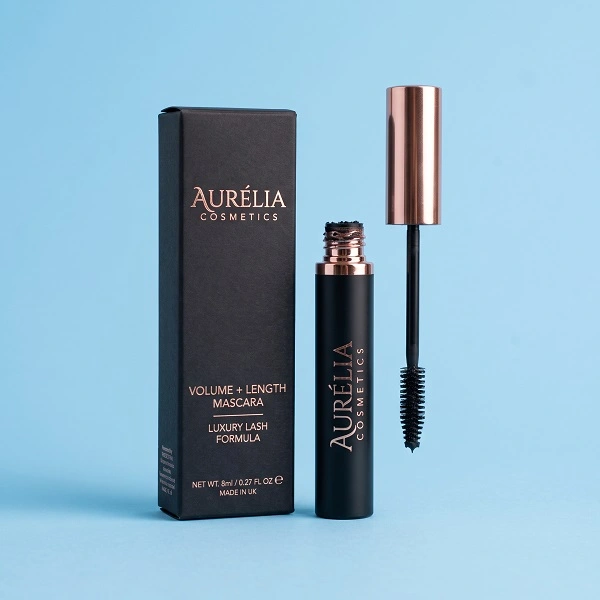
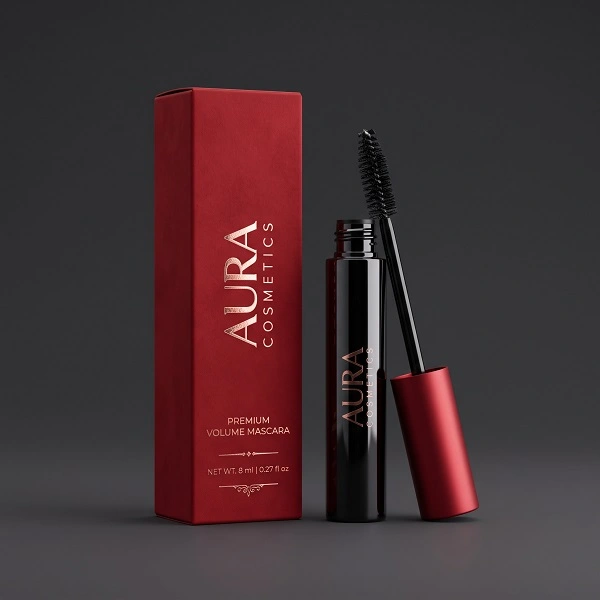
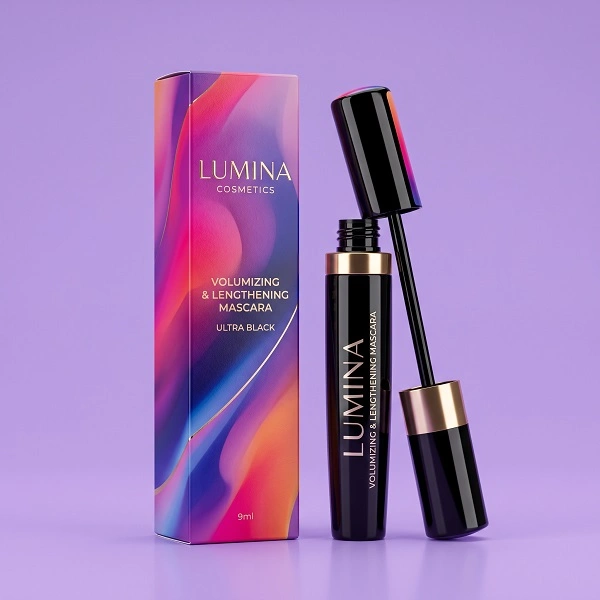
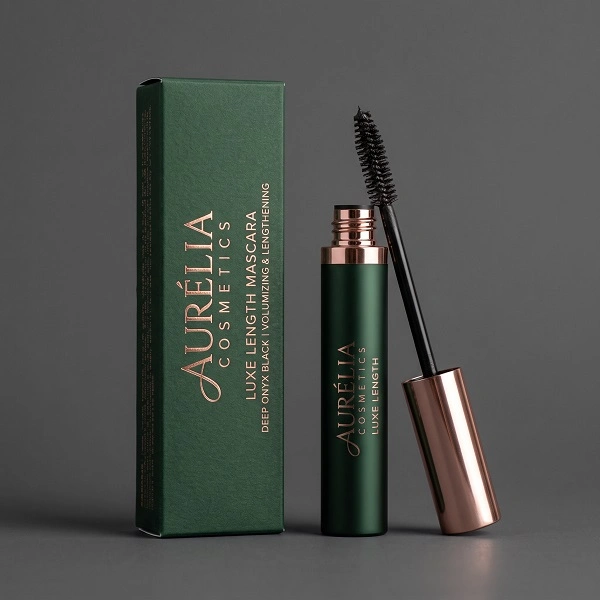



Get Your Custom Boxes Designed in Your Desired Shape, Size and Style

Get Your Custom Boxes Printed With Your Desired Artwork And Colors

Get Custom Boxes At Wholesale Prices. Low MOQs. No Die or Plate Charges
| Dimension (L + W + H) | All Custom Sizes & Shapes |
| Quantities | Low Minimum Order Required |
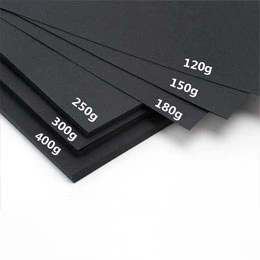
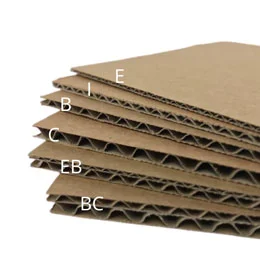
| Stock | 10pt to 28pt (60lb to 400lb) Eco-Friendly Kraft, E-flute Corrugated, Bux Board, Cardstock |
| Printing | No Printing, CMYK, CMYK + 1 PMS color, CMYK + 2 PMS colors |
| Finishing | Gloss Lamination, Matte Lamination, Gloss AQ, Gloss UV, Matte UV, Spot UV, Embossing, Foiling |
| Included Options | Die Cutting, Gluing, Scoring, Perforation |
| Additional Options | Eco-Friendly, Recycled Boxes, Biodegradable |
| Proof | Flat View, 3D Mock-up, Physical Sampling (On request) |
| Turnaround | 8 – 12 Business Days, RUSH |
| Shipping | FREE USA |
Custom mascara packaging boxes are branded cartons engineered to fit your mascara tube’s exact dimensions, printed with your logo, colors, and product information. Manufactured from cardboard, kraft, or rigid stock with finishes like foil stamping and spot UV, they protect the product in transit and turn shelf space into a sales tool.
A mascara tube spends its entire retail life inside a box. Before a customer ever tests the wand or reads a review, the carton has already told them whether your formula is worth $9 or $29. That’s the uncomfortable truth for beauty brands: the product may be excellent, but a flimsy, poorly printed box quietly caps what people are willing to pay for it.
The problem compounds for growing brands. Stock packaging never fits mascara tubes properly, so products rattle, wands loosen, and returns climb. Generic boxes look identical to a dozen competitors on the same shelf. And many packaging suppliers demand minimums of 10,000 units, which is a non-starter for a startup testing its first SKU.
Custom mascara packaging boxes solve all three problems at once: a precise structural fit that protects the tube, a printed surface that carries your brand identity, and with the right manufacturer order quantities and pricing that work whether you’re launching on Shopify or shipping to Ulta.
This guide covers materials, box styles, printing options, realistic costs, and how the ordering process actually works, so you can make an informed decision instead of guessing.
Custom mascara boxes are folding cartons (or rigid boxes, for luxury lines) produced from a dieline built around your specific tube dimensions typically somewhere near 4–5 inches tall and 0.75–1.25 inches in diameter, though slim wands and jumbo volumizing tubes fall outside that range, which is exactly why “custom” matters.
Unlike off-the-shelf packaging, every element is specified by you:
The result is mascara box packaging that functions as protection, shelf marketing, and brand experience in a single piece of board.
Plenty of companies print boxes. Fewer understand cosmetic packaging specifically the tolerances a mascara tube needs so it doesn’t slide, the coatings that survive humid bathroom shelves, the retail compliance details like barcode zones and ingredient panels that Sephora and Ulta buyers expect to see done correctly.
Here’s what sets a specialist apart, and what you should demand from any supplier:
Precision-fit dielines. Boxes are engineered from your tube’s measurements, not adapted from a template. A snug fit means no rattling in transit and no crushed cartons from dead space.
Low minimums for startups. Runs starting around 100–250 units let private label brands and beauty startups test packaging before committing to wholesale mascara boxes at volume.
Free structural design and dieline support. You shouldn’t need a packaging engineer on staff. Send artwork or even a rough concept; the pre-press team builds the print-ready file and sends a digital proof before anything hits the press.
Physical sampling. A printed prototype in your hands before a full production run removes the biggest risk in custom packaging: discovering a color or fit problem after 5,000 boxes arrive.
USA-nationwide fulfillment. Domestic production and shipping means 8–12 business day turnarounds instead of the 6–10 weeks common with overseas suppliers and no surprise customs delays before a launch date.
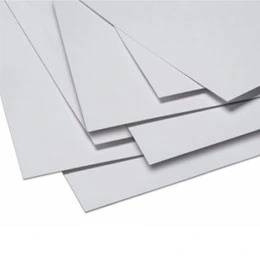
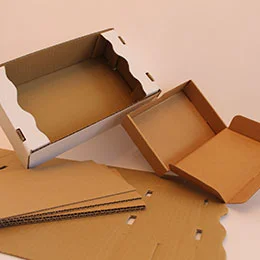
Cardboard (paperboard), 14pt–24pt. The industry standard for cosmetic mascara boxes. 16pt–18pt suits most retail cartons; 24pt adds a premium, substantial feel. Smooth surface takes high-detail printing exceptionally well.
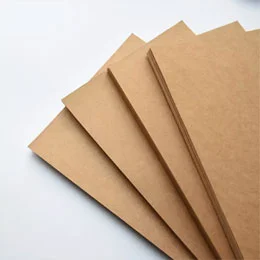
Kraft mascara boxes. Unbleached, recycled-content board with a natural brown finish. The default choice for clean beauty and organic positioning the material itself communicates the brand story before any ink does.
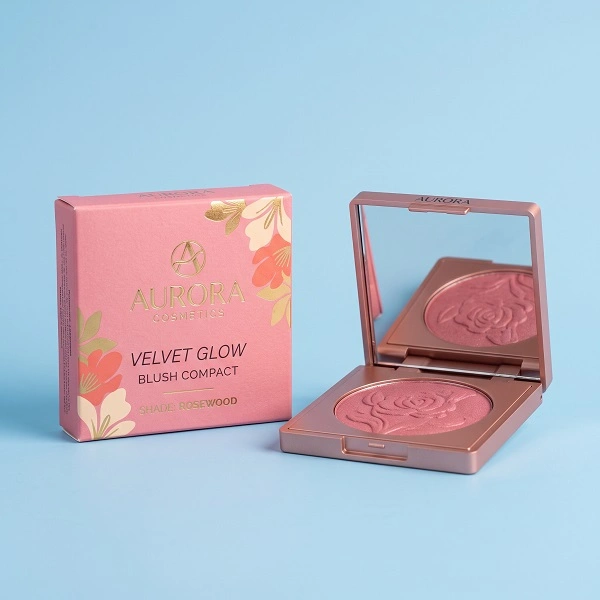
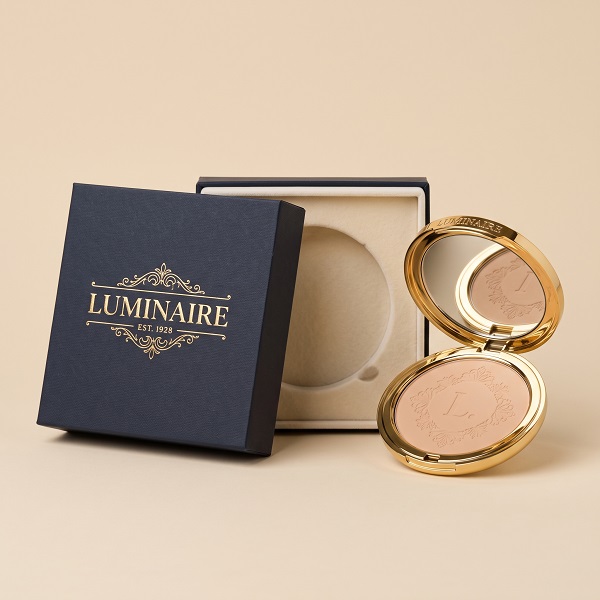
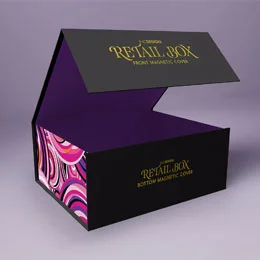
Rigid stock. Set-up boxes with a chipboard core wrapped in printed paper. Reserved for luxury mascara packaging, gift sets, and limited editions where the box is part of the product’s perceived value.
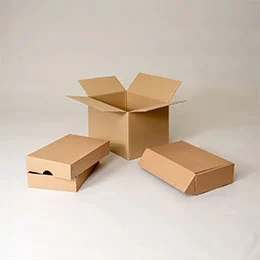
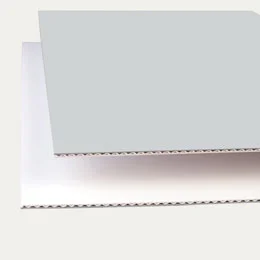
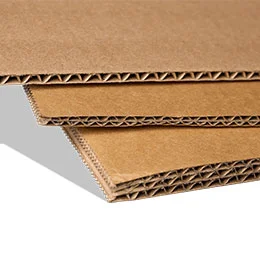
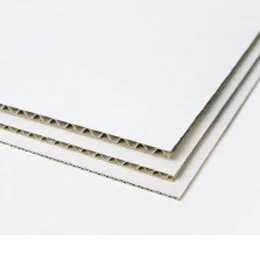
Corrugated. For e-commerce shippers and wholesale master cartons rather than individual retail units.
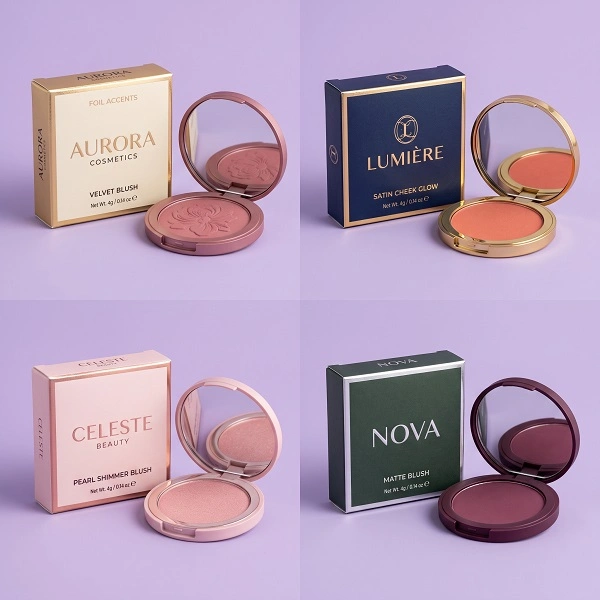
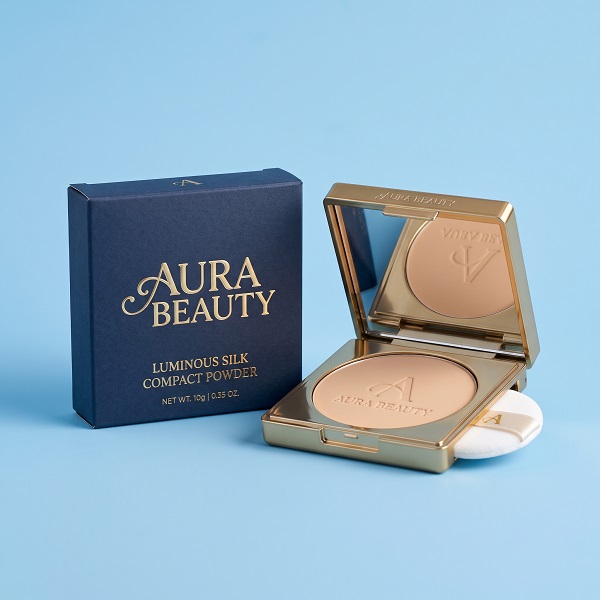
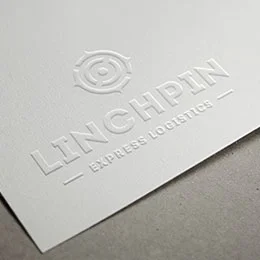
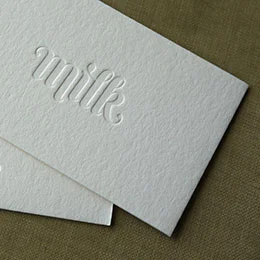
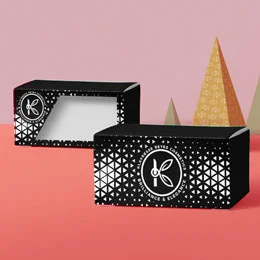
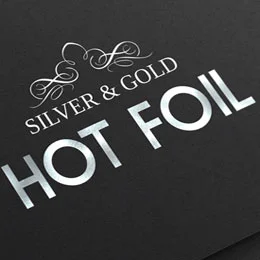
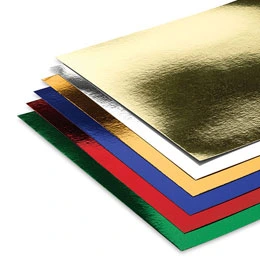
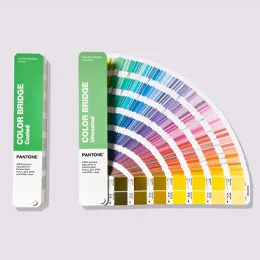
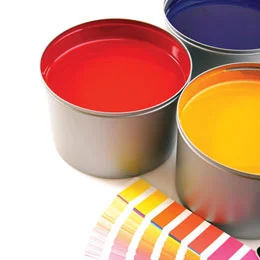
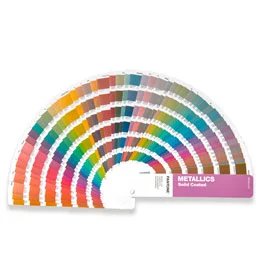
Full-color offset printing handles photographic artwork and gradients; Pantone matching guarantees your brand color is identical across every run. From there, finishes do the heavy lifting on perceived value: soft-touch matte lamination for a velvety modern feel, gold or rose-gold foil stamping on logos, spot UV to make brand marks glow against a matte background, and embossing or debossing for texture you can feel. Interior printing a pattern or message inside the carton costs little and dramatically improves the unboxing photos your customers post.
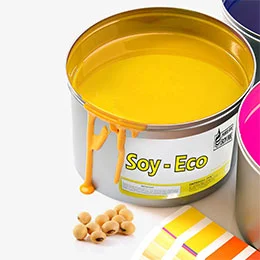
Sustainability is no longer optional in beauty. Eco-friendly mascara boxes can be produced with recycled and FSC-certified board, soy-based inks, and water-based aqueous coatings that keep the carton fully recyclable unlike traditional plastic lamination. If your brand markets itself as clean or conscious, your packaging needs to back that up, and buyers increasingly check.
Higher perceived value, higher margins. Packaging is the cheapest way to move a product upmarket. A well-finished box costing $0.40 more per unit can support a retail price several dollars higher.
Fewer damaged returns. A precise fit plus appropriate board weight means tubes arrive intact, whether they’re going through a 3PL or sitting in a hot delivery truck. For e-commerce brands, that’s a direct reduction in refund costs.
Shelf differentiation. In a drugstore aisle with forty mascaras, the box is the only marketing asset working at the moment of purchase. Distinct structure, color, and finish are what make a first-time buyer pick yours up.
Retail compliance out of the box. Barcode placement, ingredient listings, net weight declarations, and PAO symbols positioned correctly the first time so big-box and specialty retailers don’t bounce your shipment.
Brand consistency at scale. Pantone-matched printed mascara packaging looks identical whether you order 500 boxes or 50,000, across reorders, which matters once you’re in multiple retail doors.
Reorders skip straight to production since your dieline and plates are on file most repeat runs turn around faster than the first.
Pricing depends on quantity, material, and finishes. As a realistic range: simple printed cardboard boxes run roughly $0.30–$0.60 per unit at 1,000+ quantities, while luxury boxes with foil, soft-touch lamination, or rigid construction run $0.80–$2.50+. Per-unit cost drops significantly at higher volumes because setup costs are spread across the run which is why requesting quotes at two or three quantity tiers is smart.
Specialist manufacturers offer MOQs as low as 100–250 boxes using digital printing, ideal for startups and product testing. Offset printing becomes cost-effective around 1,000+ units.
Standard turnaround is 8–12 business days after proof approval, plus shipping. Rush production is usually available for launch deadlines. Overseas alternatives typically take 6–10 weeks door-to-door, which is the main reason USA-based brands increasingly source domestically.
Yes that’s the core advantage of custom manufacturing. Every dieline is built from your tube’s actual measurements, whether it’s a slim precision wand or an oversized volumizing tube. Providing a physical sample of your tube guarantees a perfect fit.
Marginally, and the gap keeps shrinking. Recycled kraft board is often comparable in price to virgin cardboard, and water-based coatings cost only slightly more than standard finishes. Many brands find the sustainability story earns back the difference in customer loyalty.
No. Reputable manufacturers include free dieline creation and design assistance. If you have brand guidelines and a logo, the pre-press team can build compliant, print-ready artwork and send proofs for approval.
With Pantone (PMS) spot-color printing, yes your brand color is mixed to a standardized formula and verified against a physical swatch, so it’s consistent across every order. Standard CMYK printing gets very close and is the economical choice for full-color artwork.
The fastest way to find out what your boxes will cost is to ask. Send your tube dimensions, target quantity, and any design ideas, and you’ll get a detailed quote with free dieline support and a digital proof within one business day. Whether you need 250 kraft boxes for a soft launch or 50,000 foil-stamped cartons for a retail rollout, your mascara deserves packaging that sells it before anyone opens it.
Request your free quote today and put your brand in a box worth picking up.
At Ono Custom Boxes, our Artwork Preparation Guide helps ensure your custom packaging design is print-ready for high-quality results. To get started, submit vector files (AI, EPS, or PDF) in CMYK color mode, with a 1/8 inch bleed and 300 DPI resolution. Convert all text to outlines and keep it at least 1/4 inch from the edges. Review your proof to ensure accuracy before submitting. Following these steps will guarantee your design is perfectly printed on your custom boxes.
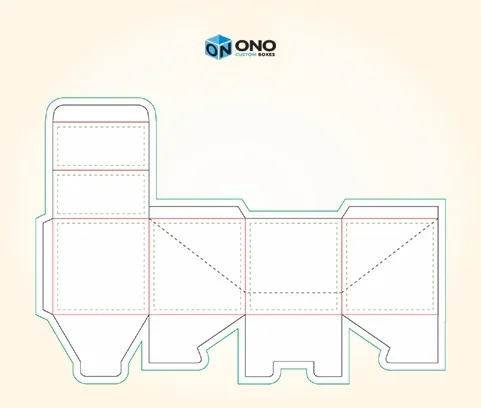
The cut line is the outline that marks where your custom packaging will be trimmed. It is typically represented by a solid black line in your artwork file.
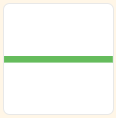
The bleed line is the area extending beyond the cut line, usually marked with a green line in your artwork. Typically, a 1/8 inch (0.125") bleed is required to prevent any unwanted white borders.
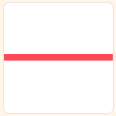
The crease line, marked by red lines in your artwork, indicates where the box will be folded during production.
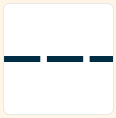
Perforation lines, shown as dotted black lines, indicate where the box will have small, evenly spaced holes for easy tearing or separation. These are often used for tear-away sections.
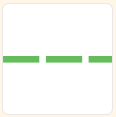
The safety margin, marked by dotted green lines, is the area around the cut line where important elements (such as text, logos, or graphics) should be kept clear.
Need Help with Ono Custom Boxes Consultant? We’re here! We offer a variety of packaging options, from sustainable choices to personalize packaging, all aimed at helping your product stand out. And with our fast turnaround, you can get started without the wait.




Ono Custom Boxes delivers innovative, durable, and affordable packaging tailored to meet your business needs and brand identity.
111-06 Farmers Boulevard, Rochdale Village, NY 11434
Copyright © 2026 Ono Custom Boxes. All Rights Reserved
WhatsApp us